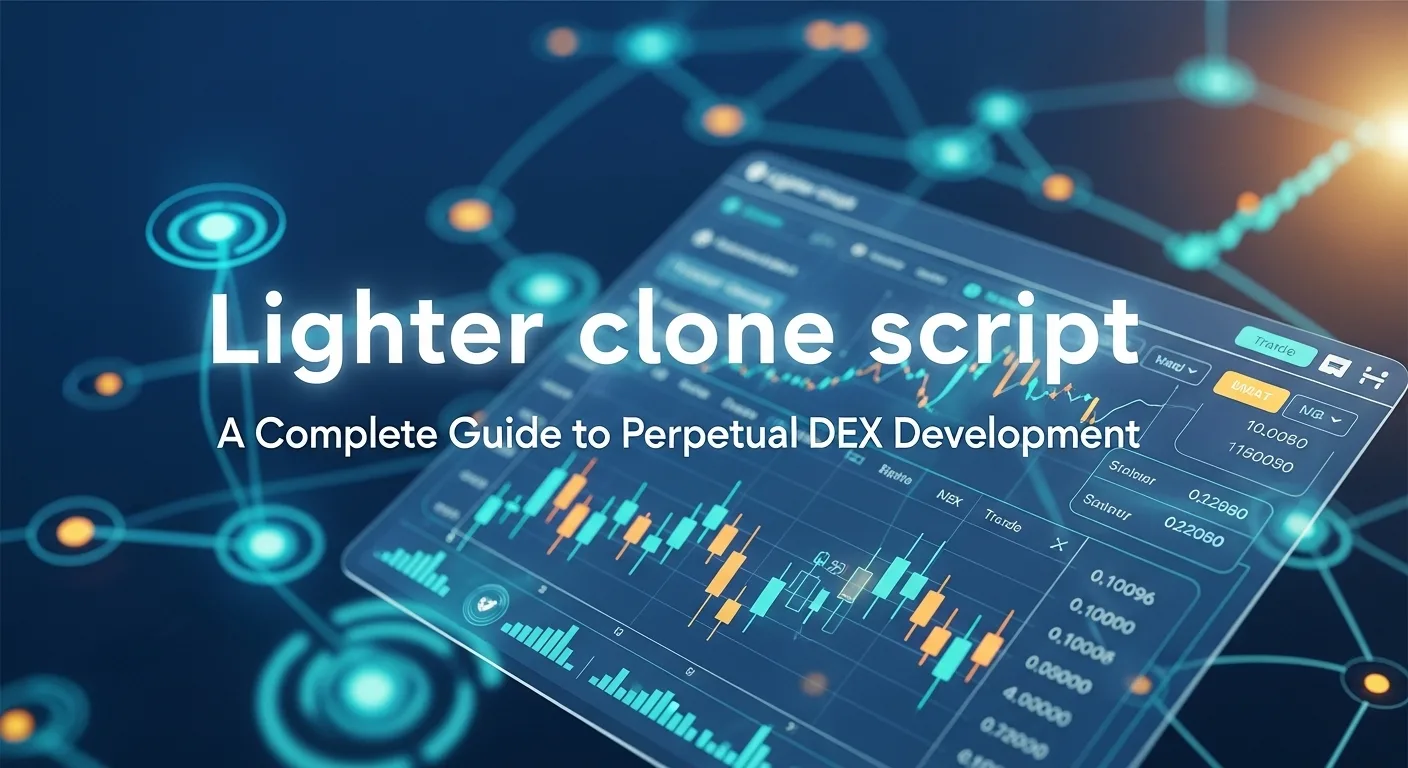
Perpetual decentralized exchanges are reshaping derivatives trading by removing intermediaries, enabling continuous contracts, and offering greater control over assets. Businesses entering this space are increasingly exploring ready-made solutions such as clone scripts to accelerate deployment while maintaining flexibility and scalability. A well-built lighter clone script can significantly reduce development time, lower costs, and provide a reliable foundation for launching a robust trading platform. This guide explores the key aspects of Perpetual DEX Exchange Development, focusing on architecture, features, benefits, and strategic considerations required to build a secure and competitive platform.
Understanding Perpetual DEX Exchange Development
Perpetual DEX Exchange Development involves building decentralized trading platforms that support perpetual futures contracts, allowing users to trade without expiration constraints. This section explains how these systems function, why they are gaining adoption, and what differentiates them from traditional exchanges. By combining blockchain technology with financial engineering, these platforms create a transparent and efficient trading environment. Understanding the underlying mechanisms is essential for businesses aiming to develop reliable solutions that meet market expectations and deliver long-term value to traders.
- Decentralized Infrastructure
Perpetual DEX platforms operate on blockchain networks, eliminating centralized control and reducing counterparty risk. Smart contracts automate trading, settlements, and liquidations. This ensures transparency and trust among users without relying on intermediaries. - Perpetual Contracts Mechanism
Unlike traditional futures, perpetual contracts have no expiry. Funding rates are used to keep contract prices aligned with spot markets. This mechanism maintains balance between long and short positions while enabling continuous trading. - Liquidity Management Systems
Liquidity is maintained through automated market makers or order book models. Efficient liquidity ensures minimal slippage and smooth execution. Advanced systems may integrate external liquidity sources to enhance trading depth. - User Autonomy and Security
Traders retain full control over their funds through non-custodial wallets. Security protocols such as encryption and multi-signature authentication strengthen platform reliability while reducing risks of breaches.
What is a Lighter Clone Script?
A lighter clone script is designed to simplify the development process by providing a ready-made framework that mirrors the functionality of a perpetual decentralized exchange. This section highlights how such scripts help businesses save time and resources while maintaining flexibility for customization. By using a clone script, companies can focus more on branding, user experience, and innovation instead of building core systems from scratch. Understanding its role is crucial for making informed decisions in Perpetual DEX Exchange Development projects.
- Pre-Configured Core Features
The script includes essential trading functionalities such as order execution, leverage options, and wallet integration. This reduces the need for building systems from scratch and accelerates development timelines. - Customizable Framework
Developers can modify user interfaces, trading pairs, and fee structures. This flexibility enables businesses to differentiate their platform while retaining a proven technical foundation. - Cost-Effective Development Approach
Building a perpetual DEX from the ground up requires significant resources. Clone scripts minimize costs by offering ready-made modules that only require customization and testing. - Scalable Architecture
A well-designed lighter clone script supports scalability, allowing platforms to handle increasing user activity and trading volume without compromising performance.
Key Features of a Perpetual DEX Clone Script
The effectiveness of any Perpetual DEX Exchange Development effort depends heavily on the features integrated into the platform. This section explores the essential functionalities that define a high-performing perpetual exchange. These features are not only critical for user engagement but also for ensuring smooth trading operations and maintaining system stability. By implementing advanced tools and mechanisms, businesses can create platforms that attract traders and deliver a seamless experience.
- Leverage Trading Capabilities
Traders can open positions with leverage, amplifying potential returns. The system must include risk management mechanisms such as margin requirements and liquidation thresholds to prevent excessive losses. - Funding Rate Mechanism
Funding rates balance market positions by incentivizing traders. This ensures that perpetual contract prices remain aligned with underlying asset prices over time. - Advanced Trading Interface
A professional interface with charts, order books, and analytics tools enhances user experience. Real-time data updates allow traders to make informed decisions quickly. - Secure Wallet Integration
Integration with decentralized wallets ensures safe storage of assets. Multi-layer security protocols protect funds while enabling seamless transactions.
Benefits of Using a Lighter Clone Script
Choosing a lighter clone script offers several practical benefits for businesses entering the decentralized trading space. This section outlines how such solutions streamline development and reduce operational challenges. By leveraging pre-built systems, companies can focus on strategic growth rather than technical complexities. The advantages discussed here highlight why clone scripts are becoming a preferred choice in Perpetual DEX Exchange Development initiatives.
- Faster Time-to-Market
Pre-built solutions significantly reduce development cycles. Businesses can launch their platform quickly and start acquiring users without long delays. - Reduced Development Complexity
Clone scripts simplify technical challenges by providing tested modules. This allows teams to focus on customization and user experience improvements. - Proven Business Model
Using an established framework reduces uncertainty. Businesses can leverage successful design patterns and trading mechanisms already validated in the market. - Enhanced Flexibility
Despite being pre-built, these scripts allow extensive customization. Platforms can adapt features to meet specific business goals and target audiences.
Technology Stack for Perpetual DEX Development
A strong technology stack forms the backbone of any successful Perpetual DEX Exchange Development project. This section explains the key components required to build a scalable and efficient platform. From blockchain integration to frontend design, each layer plays a crucial role in ensuring performance and reliability. Understanding these technologies helps businesses make informed decisions and build systems that can handle growing user demands.
- Blockchain Integration
Networks such as Ethereum or Layer-2 solutions provide the backbone for smart contract execution. Choosing the right blockchain impacts scalability, transaction speed, and cost efficiency. - Smart Contract Development
Smart contracts handle trading logic, margin calculations, and liquidations. Proper auditing is essential to ensure security and prevent vulnerabilities. - Frontend and Backend Systems
The frontend delivers a seamless user experience, while the backend manages data processing and communication between components. Both must be optimized for performance and responsiveness. - API and Data Feeds
Real-time market data is crucial for accurate trading. APIs connect the platform to external data sources, ensuring price accuracy and system reliability.
Security Considerations in Perpetual DEX Exchange Development
Security is a fundamental aspect of Perpetual DEX Exchange Development, as users trust the platform with their assets and data. This section highlights the critical measures required to protect systems from threats and vulnerabilities. By implementing strong security practices, businesses can build trust and ensure long-term success. A secure platform not only safeguards users but also enhances credibility in the competitive decentralized finance market.
- Smart Contract Audits
Regular audits identify vulnerabilities and ensure contract reliability. This step is essential before launching the platform to prevent exploits. - Multi-Layer Authentication
Implementing two-factor authentication and biometric verification enhances user account security. These measures reduce unauthorized access risks. - Data Encryption Protocols
Sensitive user data must be encrypted to prevent breaches. Strong encryption standards ensure data privacy and compliance with regulations. - Continuous Monitoring Systems
Real-time monitoring detects suspicious activities and potential threats. Immediate response mechanisms help mitigate risks and maintain platform stability.
Steps to Launch a Perpetual DEX Using a Clone Script
Launching a perpetual exchange requires careful planning and execution. This section provides a structured approach to guide businesses through the development process. Each step plays a vital role in ensuring a successful launch and smooth operation. By following these steps, companies can effectively implement Perpetual DEX Exchange Development strategies and achieve their business objectives.
- Requirement Analysis
Identify business goals, target audience, and required features. This step helps define the scope of development and customization. - Customization and Development
Modify the clone script to align with branding and functional needs. Developers integrate additional features and optimize performance. - Testing and Quality Assurance
Comprehensive testing ensures system stability and security. This includes functional, performance, and penetration testing. - Deployment and Maintenance
After deployment, continuous updates and monitoring are necessary. Regular maintenance ensures smooth operation and user satisfaction.
Future of Perpetual DEX Exchange Development
The future of Perpetual DEX Exchange Development is shaped by innovation and evolving user expectations. This section explores emerging trends and technologies that will influence the growth of decentralized trading platforms. By staying ahead of these trends, businesses can build future-ready solutions that remain competitive in the market.
- Integration with Layer-2 Solutions
Layer-2 technologies improve transaction speed and reduce costs. This enhances user experience and platform efficiency. - Cross-Chain Compatibility
Interoperability between blockchains expands trading opportunities. Users can access multiple assets across different networks. - AI-Driven Trading Tools
Advanced analytics and automation tools help traders make better decisions. AI integration enhances trading efficiency and accuracy. - Institutional Adoption
As trust in decentralized systems grows, institutional investors are likely to participate. This will increase liquidity and market maturity.
Conclusion
Perpetual DEX Exchange Development presents a strategic pathway for businesses to build decentralized trading platforms that align with modern financial demands. By leveraging a lighter clone script, companies can streamline development while maintaining flexibility and scalability. A strong focus on technology, security, and user experience ensures long-term success and trust. As the decentralized finance ecosystem continues to evolve, businesses that adopt innovative approaches and reliable solutions will be well-positioned to capitalize on emerging opportunities and establish a lasting presence in the market.