Completing a court-ordered educational program is often an important step toward meeting legal requirements while gaining valuable knowledge that can positively impact your future. Many courts across the United States assign educational classes to help participants better understand the consequences of their actions and encourage responsible decision-making. These courses are designed to promote accountability, improve awareness, and reduce the likelihood of future legal issues.
Whether you have been instructed by a judge, probation officer, or attorney, choosing the correct course is essential. This guide explains the purpose and benefits of the Firearm Safety Course, Weapon Safety Course, Parenting Education Course, and Public Intoxication Class.
Why Courts Require Educational Programs
Court-ordered education focuses on helping individuals learn from past situations rather than simply completing a legal obligation. These programs provide practical information that encourages safer choices, greater personal responsibility, and improved decision-making. Many participants discover that the lessons learned extend beyond the courtroom and can be applied in everyday life.
Online educational programs also offer flexibility. Participants can often complete coursework at their own pace from home, making it easier to balance work, school, and family responsibilities while satisfying court requirements.
Firearm Safety Course
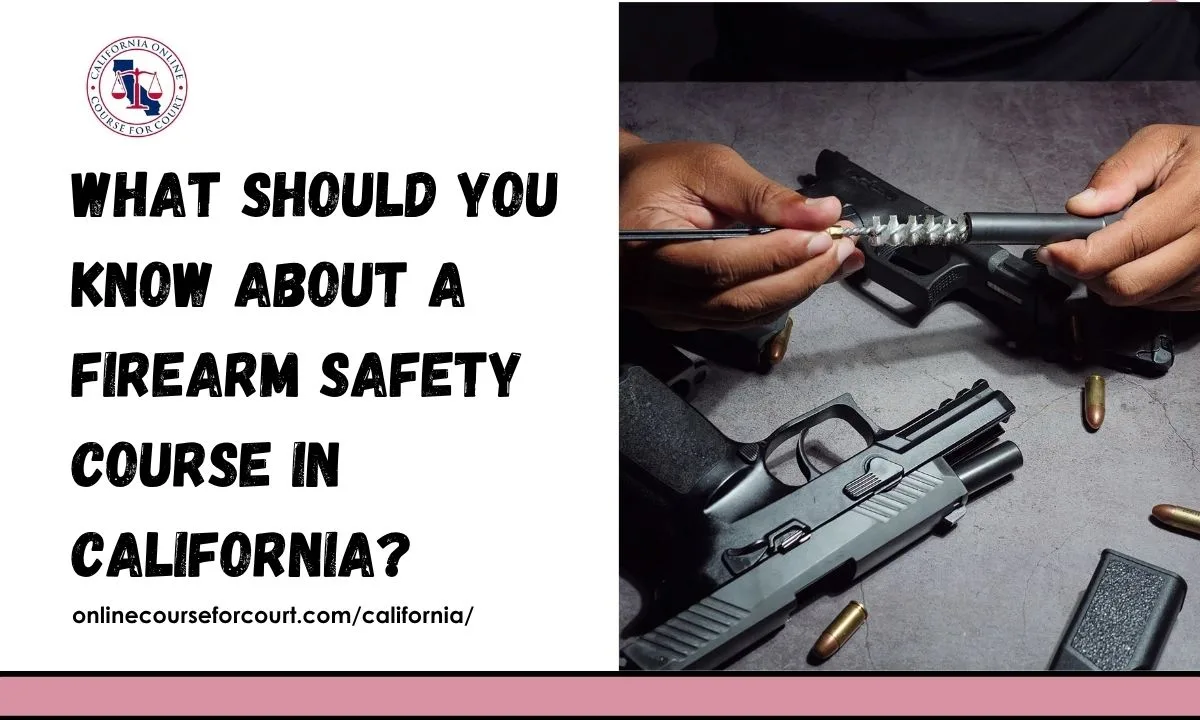
The Firearm Safety Course is designed to educate participants about the safe handling, storage, transportation, and responsible ownership of firearms. While firearm laws differ by state, safety principles remain consistent and are intended to reduce accidents while promoting responsible behavior.
Why Firearm Safety Education Matters
Firearm safety begins with understanding that every firearm should be handled responsibly at all times. Education helps participants recognize how proper handling and secure storage can prevent accidents and protect family members, especially children. Learning these safety practices creates habits that support responsible ownership and reduce unnecessary risks.
What You Will Learn
A Firearm Safety Course explains the importance of safe handling procedures, secure firearm storage, responsible transportation, and understanding legal responsibilities. Participants also learn how awareness and careful decision-making contribute to accident prevention and community safety. The course is educational in nature and focuses on promoting responsible behavior rather than technical firearm training.
Weapon Safety Course
The Weapon Safety Course provides education on the responsible handling and ownership of various types of weapons. The program encourages participants to understand how safe practices, proper storage, and legal awareness help prevent injuries and reduce legal issues.
Understanding Responsible Weapon Ownership
Responsible ownership involves much more than possessing a weapon. It includes understanding when and how weapons should be handled, transported, and stored safely. Education encourages participants to think carefully before acting and to recognize situations where poor judgment may create unnecessary risks.
Benefits of Completing the Course
A Weapon Safety Course helps participants build awareness while improving their understanding of legal responsibilities and personal accountability. The knowledge gained encourages safer habits that protect both the individual and the surrounding community. Many participants find that the course improves their overall approach to risk assessment and responsible decision-making.
Parenting Education Course
The Parenting Education Course is commonly required during divorce proceedings, custody disputes, adoption cases, or other family court matters. The program helps parents strengthen communication skills while supporting healthy child development and positive family relationships.
Building Stronger Family Relationships
Healthy families depend on effective communication, consistency, and emotional support. Parenting education teaches practical strategies that help parents understand children's emotional and developmental needs. By improving communication and reducing conflict, parents can create a more stable and supportive home environment.
Supporting Children Through Life Changes
Children often experience stress during major family transitions. A Parenting Education Course explains how parents can help children adjust to changes such as divorce, separation, or new custody arrangements. Participants learn the importance of maintaining routines, encouraging open communication, and focusing on the child's best interests throughout the process.
Public Intoxication Class
The Public Intoxication Class is designed to help participants understand how alcohol or substance use can affect judgment, behavior, and public safety. Rather than focusing only on legal consequences, the course encourages participants to develop healthier decision-making habits and recognize situations that may lead to future problems.
Why Public Intoxication Education Is Important
Alcohol can impair judgment, reduce awareness, and increase the likelihood of risky behavior. Educational programs help participants understand how intoxication affects decision-making while encouraging safer alternatives. Courts often recommend these classes because education can reduce repeat offenses and promote long-term behavioral changes.
Skills Participants Develop
A Public Intoxication Class encourages participants to recognize personal risk factors, understand the consequences of impaired decision-making, and develop strategies for avoiding similar situations in the future. These lessons support personal responsibility while helping individuals make safer choices in social and public settings.
Choosing the Right Course
Each educational program serves a different purpose, and selecting the correct one depends on your specific legal or personal requirements. The Firearm Safety Course focuses on responsible firearm handling and safety practices, while the Weapon Safety Course covers broader safety concepts and legal awareness. The Parenting Education Course strengthens parenting skills and family communication, whereas the Public Intoxication Class promotes responsible decision-making related to alcohol use and public behavior.
Before enrolling, always verify that the course meets the requirements outlined by your court, probation department, or attorney to ensure successful completion.
Frequently Asked Questions
What is a Firearm Safety Course?
A Firearm Safety Course teaches safe firearm handling, secure storage, transportation practices, accident prevention, and responsible ownership.
What is the difference between a Firearm Safety Course and a Weapon Safety Course?
A Firearm Safety Course focuses specifically on firearm safety, while a Weapon Safety Course provides broader education about responsible weapon ownership, safety practices, and legal awareness.
Who should take a Parenting Education Course?
Parents involved in custody cases, divorce proceedings, family court matters, adoption, or anyone wishing to improve parenting skills may benefit from this course.
What does a Public Intoxication Class teach?
The course explains how alcohol affects judgment and behavior while encouraging responsible decision-making and strategies for preventing future incidents.
Are online court-ordered courses convenient?
Many online court-ordered courses are self-paced, allowing participants to study from home while balancing work, school, or family responsibilities.
Conclusion
Court-ordered educational programs provide far more than a way to satisfy legal requirements. They offer practical knowledge that helps participants improve decision-making, strengthen personal responsibility, and develop safer habits. Whether you need the Firearm Safety Course, the Weapon Safety Course, the Parenting Education Course, or the Public Intoxication Class, completing the appropriate program can help you meet court expectations while gaining valuable life skills. By applying what you learn, you can move forward with greater confidence, improved awareness, and a stronger commitment to making responsible choices in the future.