Introduction
Electrical cables are an important part of every building and electrical system. They help carry power safely from one point to another and support the daily use of lights, machines, air conditioners, and other electrical equipment. From small home projects to large commercial buildings and industrial sites, choosing the right cables is essential for safe and reliable power supply.
Finding the right Electrical Cable Suppliers in UAE can make a big difference in the quality and success of a project. A trusted supplier can provide suitable cable types, different sizes, reliable products, and helpful guidance based on the project's needs. This makes it easier for contractors, electricians, builders, and business owners to find the right products for their work.
In the UAE, where construction, property development, and industrial activities continue to create demand for electrical products, choosing a reliable supplier is an important step in any electrical project.
Why Choosing the Right Electrical Cable Supplier Matters
Electrical cables are used in many places, but not every cable is suitable for every job. Using the wrong type can lead to poor performance, overheating, damage, and safety risks. This is why working with a reliable supplier is important.
Access to Quality Electrical Cables
Good-quality cables are designed to carry electricity according to their rated capacity and intended use. Their materials, insulation, and construction all affect how well they perform.
Reliable suppliers can help customers find products that meet the technical needs of their projects. Buyers should also check product specifications, safety approvals, and the required standards before making a purchase.
A Wide Range of Cable Options
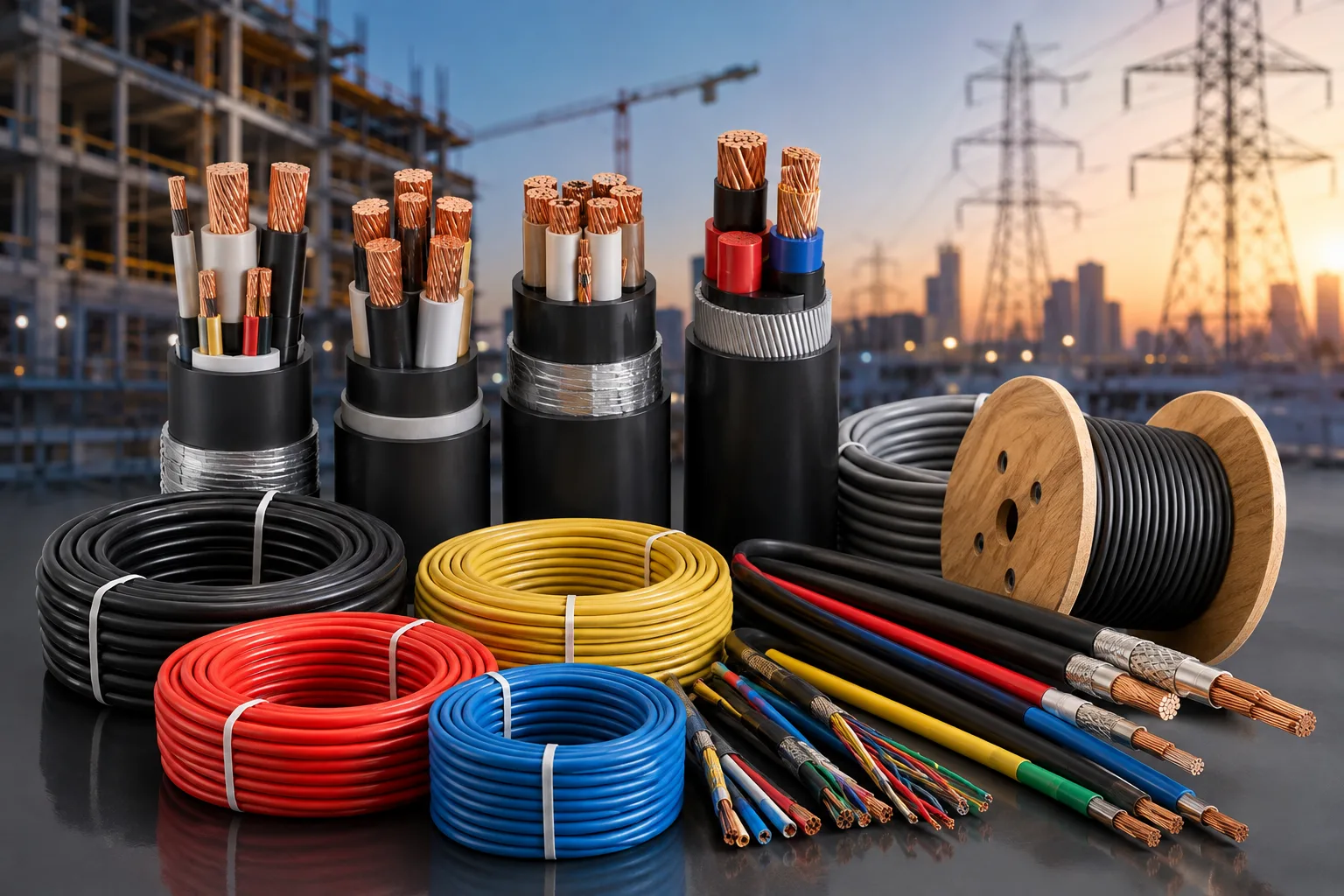
Different projects need different cable types. A residential building may require cables for lighting and power sockets, while an industrial site may need cables for heavy equipment and control systems.
Leading Electrical Cable Suppliers offer a range of products to support these different needs. Having several options available also helps buyers source the required materials from one place.
Better Support for Project Planning
Electrical work often follows a schedule. Delays in receiving important materials can affect installation work and the overall project timeline.
A dependable supplier can help customers confirm product availability, quantities, delivery schedules, and technical details before placing an order. This makes planning easier for contractors and project managers.
Common Types of Electrical Cables for Different Projects
Understanding the main types of electrical cables helps buyers make better decisions. The correct choice depends on the application, installation conditions, voltage rating, and other technical requirements.
Power Cables for Electrical Supply
Power cables carry electricity to buildings, equipment, and electrical systems. They are used in homes, offices, shops, factories, and many other locations.
The correct power cable depends on the amount of current it needs to carry, the installation method, and the surrounding conditions. A qualified electrician or electrical engineer can help determine the right cable size and type.
Control Cables for Machines and Equipment
Control cables help send signals between electrical devices, control panels, and machines. They are commonly used in factories, automation systems, and industrial facilities.
These cables support the operation of equipment by helping control systems communicate correctly. Choosing the right control cable depends on the equipment, signal requirements, and installation environment.
Flexible Cables for Specific Applications
Flexible cables are designed for applications where movement or easier handling is needed. They can be used with certain electrical equipment, tools, and machines, depending on their design and rating.
Before selecting a flexible cable, buyers should check whether it is suitable for the expected movement, temperature, and operating conditions.
Special Cables for Challenging Environments
Some projects need cables that can handle heat, moisture, chemicals, outdoor exposure, or other demanding conditions. These applications may require specially designed cables with suitable insulation and protective features.
Buyers should explain the installation environment to their supplier so they can identify products that match the project's needs.
How to Select the Right Electrical Cable for Your Project
Choosing electrical cables should involve more than comparing prices. Buyers need to consider the project's technical needs, safety requirements, and long-term use.
Check the Cable Size and Current Rating
Cable size plays an important role in safe electrical performance. A cable that is too small for its load may overheat, while an unsuitable cable can also cause power loss and other problems.
The correct size depends on factors such as current, cable length, installation method, ambient temperature, and voltage drop. A qualified professional should calculate the required size before purchase.
Review the Insulation and Material
Cable insulation protects the conductor and helps prevent unwanted contact with other materials. Different insulation types are designed for different temperatures, environments, and uses.
Copper and aluminium are common conductor materials, but they are not interchangeable in every application. The choice should follow the electrical design and applicable standards.
Consider the Installation Location
A cable used indoors may not be suitable for direct outdoor exposure or underground installation. Moisture, sunlight, heat, and physical damage can affect cable performance.
Always choose cables that are rated for the actual installation conditions. Check whether additional protection, such as suitable conduit or cable trays, is required.
Confirm Standards and Product Details
Before ordering, review the cable's voltage rating, conductor size, insulation type, temperature rating, and intended use. Confirm that the product meets the applicable local regulations and project specifications.
Clear product information helps buyers avoid choosing a cable that does not meet their requirements.
Benefits of Working with Professional Electrical Cable Suppliers
A professional supplier does more than provide electrical products. The right supplier can help make purchasing easier and support the smooth running of a project.
Easier Product Selection
A supplier with a broad product range can help customers compare suitable options for different electrical needs. This is useful when a project requires several cable types, sizes, and accessories.
Clear product details also help contractors prepare accurate material lists before installation begins.
Support for Small and Large Orders
Some customers need a small quantity of cable for repairs, while others need large orders for commercial buildings or industrial projects. A supplier that understands different project needs can help buyers plan their purchases.
Before placing an order, confirm stock levels, minimum order quantities, delivery options, and lead times.
Reliable Supply and Better Planning
Receiving the correct products at the right time helps reduce interruptions to electrical work. Consistent communication between buyers and suppliers can also make it easier to manage changes in quantity or delivery dates.
For large projects, it is useful to share the expected schedule and material requirements early.
Electrical Cable Supply for UAE Construction and Industrial Projects
The UAE has a wide range of electrical needs across residential buildings, offices, shopping centres, hotels, warehouses, factories, and infrastructure projects. Each application may require different cable specifications and installation methods.
For example, residential projects often need cables for lighting, sockets, and household equipment. Commercial buildings may have more complex power distribution systems, while industrial facilities can require cables for machines, control panels, and specialised equipment.
Working with experienced Electrical Cable Suppliers in UAE can help project teams source products that match their approved plans. Buyers should provide clear technical requirements and confirm that all selected products meet the relevant standards.
It is also helpful to work with suppliers who communicate clearly about stock availability, delivery times, and product specifications. These details can make material planning more organised and reduce the risk of delays.
Why Al Arz Electrical Is Worth Considering
Choosing an electrical supplier is an important step in preparing for a successful project. Buyers need a source that understands the importance of product quality, suitable specifications, and dependable supply.
Al Arz Electrical Ware Trading serves the UAE electrical market by supplying electrical products for contractors, traders, and other customers. When sourcing electrical cables, buyers can discuss their project requirements and confirm the availability and specifications of the products they need.
Before making a purchase, share details such as cable type, required size, quantity, intended use, and installation conditions. This helps ensure that the selected products match the project's needs.
You can explore the available products and learn more about the company through the Al Arz Electrical website.
Also read : Electrical Cable Suppliers for Reliable Power and Safe Connections
Conclusion
Electrical cables are essential for safe and reliable power distribution in homes, commercial buildings, and industrial facilities. Choosing the right products requires careful attention to cable size, conductor material, insulation, installation conditions, and applicable safety standards.
Working with leading Electrical Cable Suppliers can make the buying process easier by helping customers find suitable products and plan their material requirements. Before placing an order, always confirm technical details, product availability, and delivery schedules.
For electrical projects in the UAE, Al Arz Electrical Ware Trading is one supplier to consider when exploring electrical product requirements. With careful product selection and guidance from qualified electrical professionals, project owners and contractors can make informed decisions and support reliable electrical installations.