Landscape gardening is more than planting flowers or trimming hedges—it’s the art of designing outdoor spaces that are both functional and visually appealing. By combining horticulture, architecture, and creativity, landscape gardening transforms ordinary yards into relaxing retreats, lively gardens, or elegant front entrances. Whether for a small backyard or a sprawling estate, thoughtful landscape gardening can completely change the way a property looks and feels.
What Is Landscape Gardening?
At its core, landscape gardening is about arranging plants, trees, pathways, and decorative elements in a way that enhances the natural environment. Unlike traditional gardening, which focuses mainly on growing plants, landscape gardening integrates design principles such as balance, proportion, and harmony. It aims to create a cohesive space that complements both the home and its surroundings.
Why Landscape Gardening Matters
A well-designed landscape is more than just “nice to look at.” It can:
- Increase property value: Attractive gardens and outdoor areas significantly improve curb appeal.
- Create functional spaces: Landscapes can include patios, walkways, or shaded areas for relaxation.
- Support well-being: Green spaces are proven to reduce stress and boost mood.
- Promote sustainability: With careful planning, a landscape can conserve water, support local wildlife, and reduce maintenance needs.
Key Elements of Landscape Gardening
- Plant Selection – Choosing the right plants is crucial. Factors such as climate, soil type, and sunlight exposure determine which trees, shrubs, and flowers will thrive.
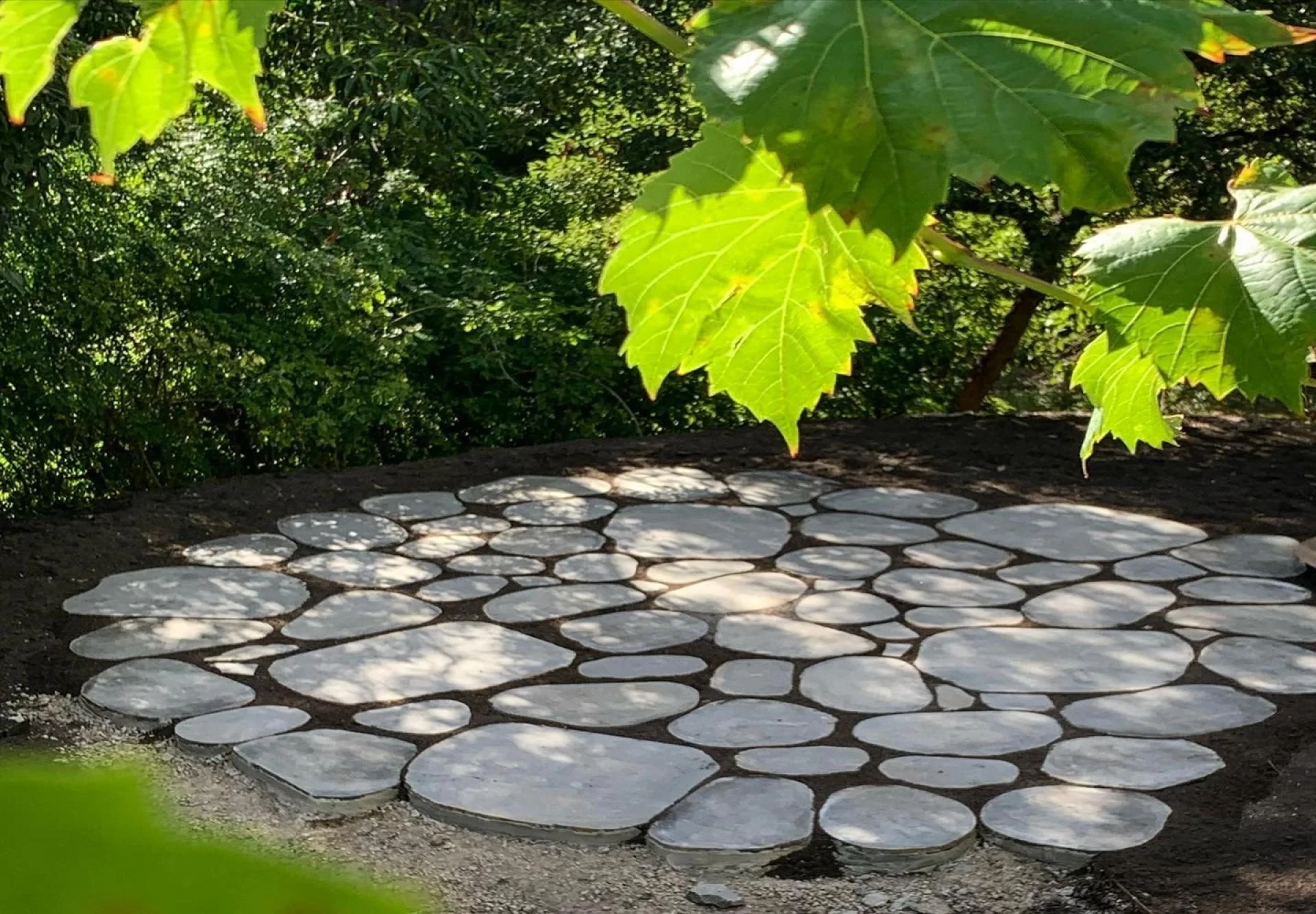
- Hardscaping – Elements like stone paths, retaining walls, patios, and water features add structure and variety.
- Balance and Flow – A good design ensures that each area of the garden feels connected while maintaining visual interest.
- Lighting – Outdoor lighting not only improves safety but also highlights focal points and creates ambiance after sunset.
Landscape Gardening for Every Space
- Small Yards: Compact gardens can use vertical planting, small water features, or carefully arranged potted plants to make the most of limited space.
- Large Properties: Expansive landscapes can include lawns, walking trails, or themed garden areas such as Japanese or Mediterranean styles.
- Urban Settings: Even in cities, rooftop gardens and courtyards can bring a touch of greenery to concrete surroundings.
Professional vs. DIY Landscape Gardening
While many homeowners enjoy DIY gardening, hiring a professional can be beneficial for larger or more complex projects. Landscape designers bring expertise in planning, plant knowledge, and construction techniques. They can also incorporate technology such as 3D design tools to visualize a project before it begins.
Conclusion
Landscape gardening is about more than beauty—it’s about creating outdoor spaces that enrich daily life. By blending plants, design, and creativity, it turns an ordinary yard into a sanctuary. Whether you’re considering a small refresh or a complete redesign, investing in landscape gardening is an investment in comfort, style, and long-term value.