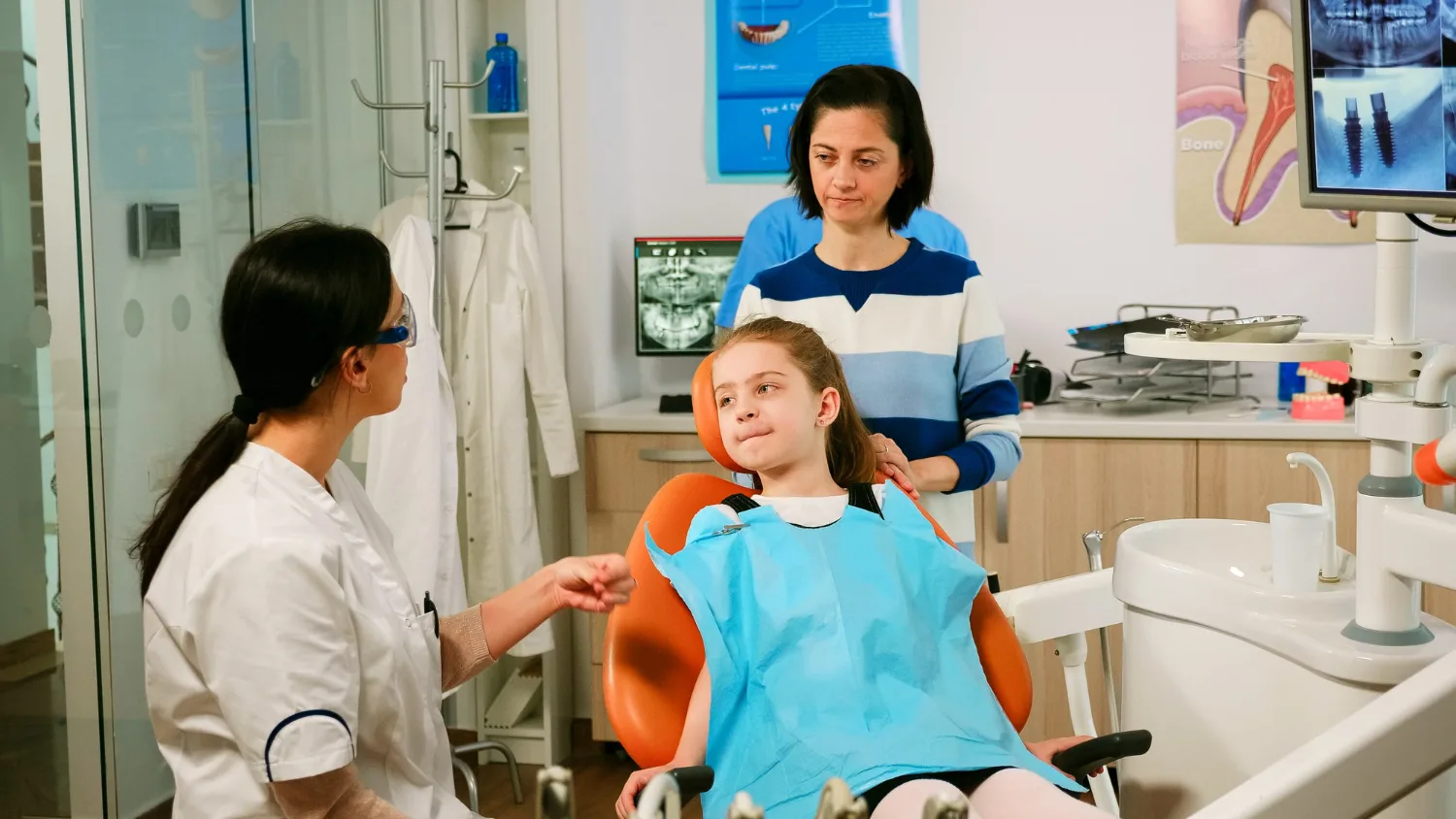
Children should see a dentist by their first birthday or within six months of the first tooth. For parents choosing a kids dental clinic in RR Nagar, that first visit is a check-up and a home-care lesson. Much of the work of preventing cavities happens at home.
Many parents book a dentist only when a child complains of pain. A 2025 study of 208 families in Chengalpattu, Tamil Nadu, found that only 4.8% of children had seen a dentist before age three. About 71% of parents skipped a check-up because new teeth looked healthy, and 41% believed damaged milk teeth need no treatment.
Milk teeth hold space for adult teeth and help children chew and speak. Decay caught at a routine check-up often needs only fluoride and better habits. Decay found through pain usually needs a filling, a crown or nerve treatment.
When Should Your Child First See a Dentist?
The World Health Organization and the International Association of Paediatric Dentistry advise a first visit by age one. The first tooth usually appears between 6 and 10 months.
Few families manage this. A 2025 study of 640 mothers in Mysuru found that no child had made a first dental visit before 15 months. Mothers who rated their child's teeth as good were less likely to book one.
A first visit with a pediatric dentist in RR Nagar is short. Toddlers are examined on the parent's lap while the dentist checks for early decay and reviews feeding and brushing habits.
What Does Each Age Need?
Each stage brings a different risk, so the focus at home and at check-ups changes as the child grows.
- 0 to 3 years: Wipe the gums after feeds and start brushing at the first tooth with a rice-grain smear of fluoride toothpaste. Avoid a milk bottle at bedtime and phase out the dummy by 2 to 3 years. The dentist watches for bottle decay and how the teeth are coming in.
- 3 to 6 years: Parents do the brushing with a pea-sized amount and floss where teeth touch. Thumb sucking should stop by about 4. Check-ups look for cavities between teeth and signs of mouth breathing.
- 7 to 12 years: The child brushes and a parent checks. Contact sports need a mouthguard. The dentist tracks the first permanent molars, advises on sealants and screens the bite by age 7. That screening often leads to monitoring rather than braces.
- Teens: Habits should be self-managed, along with brace or aligner care if needed. Reviews cover the second molars and gum health.
Which Home Habits Prevent Most Cavities?
Bacteria turn sugar into acid, so how often a child snacks matters as much as how much sugar they eat.
- Brush for two minutes twice a day with fluoride toothpaste. Floss at night once teeth touch.
- Offer water between meals. Keep sweets to mealtimes and limit sticky tiffin snacks such as chikki.
- Give nothing but water after the bedtime brush.
- Skip mouthwash until the child can spit properly, usually after 6, and use it only on the dentist's advice.
Fluoride toothpaste is the habit to protect. A 2025 study of school children in Bhubaneswar found more cavities among those using non-fluoridated toothpaste.
Which Warning Signs Need an Early Appointment?
Book an earlier visit if you notice:
- White lines near the gum or brown spots on a tooth
- Bleeding during brushing
- Food getting trapped between the same teeth
- Bad breath that does not go away
- Night toothache or chewing on one side
- Any tooth injury, even if the tooth looks fine
Caught at the white-line stage, decay can sometimes be stopped with fluoride and diet changes alone.
How to Choose a Pediatric Dentist in Rajarajeshwari Nagar?
Parents searching for the best pediatric dentist in RR Nagar should look past play areas and star ratings. Four checks matter more:
- Qualification: a paediatric dentist holds an MDS in Paediatric and Preventive Dentistry, which is three years of training after BDS.
- Prevention first: the clinic assesses cavity risk and offers fluoride varnish and sealants before discussing fillings.
- Child-paced care: methods such as Tell-Show-Do, where each step is explained and shown before it is done.
- A written plan: parents leave with findings, options and aftercare on paper.
Final Words
Early check-ups and steady habits spare many children from fillings. For families looking for a kids dental clinic in RR Nagar, Mini Molar Kids Dental Clinic in BEML Layout 3rd Stage has a paediatric dental specialist on its team. The clinic provides cavity risk assessment, fluoride varnish, sealants, eruption and bite tracking and a written care plan for parents.
To book a first check-up, call or WhatsApp +91 96201 60325. The clinic is closed on Sundays.
Frequently Asked Questions
Do milk teeth need treatment if they will fall out anyway?
Yes. Some milk molars stay until age 10 to 12 and hold space for adult teeth. Untreated decay can cause pain, infection and crowding later.
How often should children have a dental check-up?
Most children need one every six months. Children with past decay or frequent snacking may need a review every three to four months.
What should I do if my child's tooth is knocked out?
For an adult tooth, hold it by the crown, rinse it gently, store it in milk or saliva and see a dentist immediately. Never put a milk tooth back in. For head injuries or bleeding that will not stop, go to a hospital emergency department.