KFC Makes a Major Change, Switching from Pepsi to Coca-Cola in the U.S.
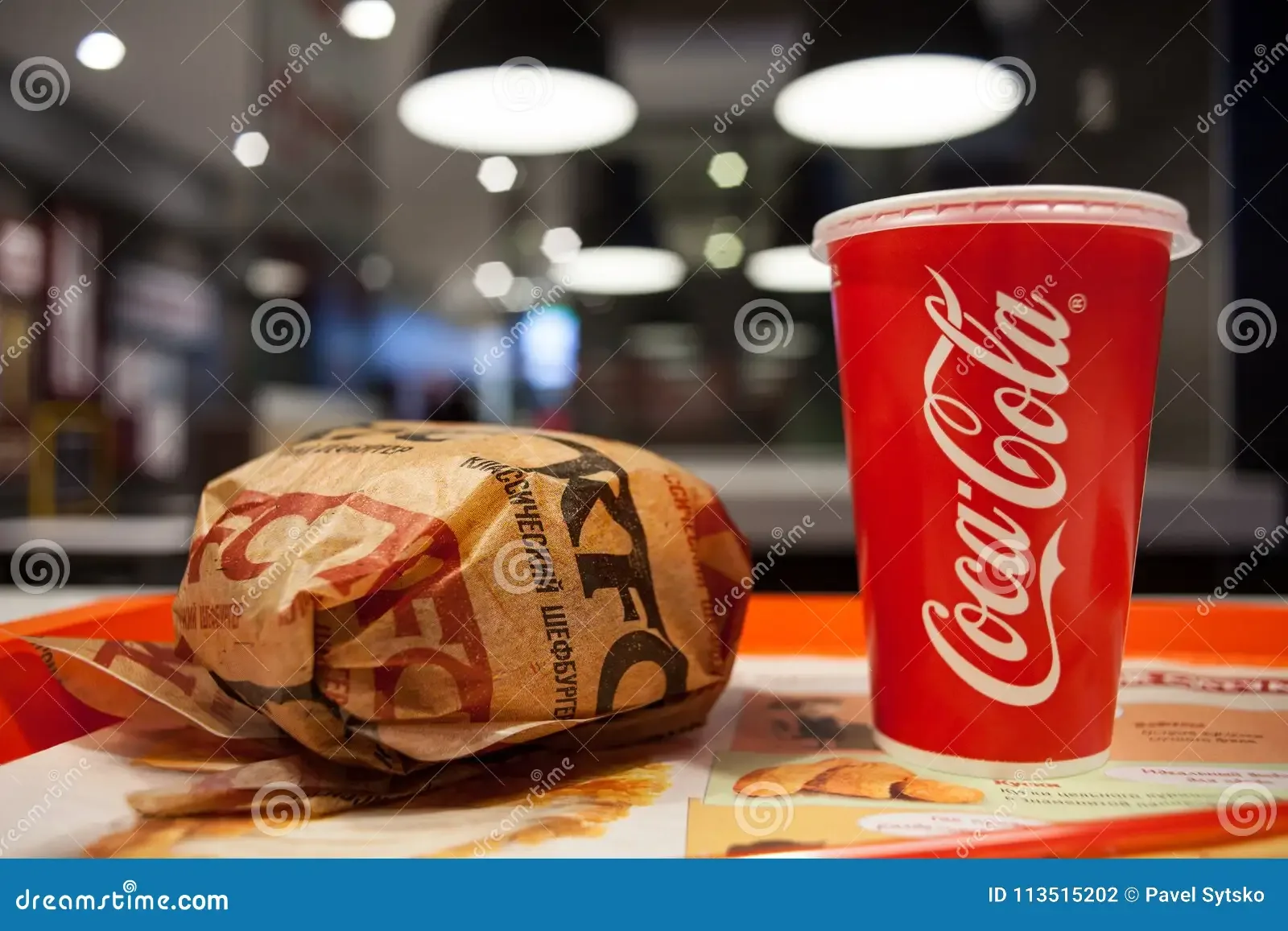
In a major change for the fast-food industry, KFC has signed Coca-Cola as its U.S. beverage partner, ending a nearly four-decade-long relationship with PepsiCo. The move marks a new chapter for the popular fried chicken chain and brings two of the world’s most recognizable food and beverage brands together in a new partnership.
For customers who have grown accustomed to seeing Pepsi products alongside KFC’s fried chicken, the announcement may come as a surprise. After all, long-standing partnerships often become part of a restaurant’s identity. However, the change also highlights how major brands continue to rethink their business strategies to stay competitive and meet changing market demands.
A Long-Standing Partnership Comes to an End
KFC and PepsiCo have shared a business relationship for decades, with Pepsi beverages becoming a familiar part of the restaurant’s dining experience in the United States. Over the years, customers have enjoyed KFC meals alongside Pepsi products, making the partnership a recognizable part of the brand’s history.
Now, the agreement with Coca-Cola signals a significant shift. By choosing Coca-Cola as its U.S. beverage partner, KFC is opening the door to a different beverage lineup and a new commercial relationship.
Although the change may appear simple on the surface, partnerships between restaurant chains and beverage companies often involve much more than deciding which soft drinks appear on the menu. They can include supply arrangements, promotional campaigns, marketing support and opportunities to attract customers through combined offers.
For PepsiCo, the decision means losing a long-standing relationship with a major restaurant brand in the U.S. market. For Coca-Cola, it presents an opportunity to strengthen its presence across KFC's restaurant network.
Why This Move Matters for Coca-Cola
Coca-Cola is one of the most recognized beverage brands in the world, but competition in the soft drink market remains intense. Companies are continually looking for ways to expand distribution, build stronger relationships with restaurants and keep their products visible to consumers.
Partnering with a well-known fast-food chain such as KFC can help Coca-Cola reach customers during everyday dining occasions. People visiting KFC for lunch, dinner or a quick meal may also choose a beverage, making restaurants an important channel for soft drink sales.
The partnership could also create opportunities for coordinated advertising, meal promotions and special offers. When a restaurant and beverage company work together, both brands can benefit from greater visibility and stronger customer engagement.
However, the actual impact will depend on the agreement's terms, the rollout across restaurants and how customers respond to the change. The partnership's financial value and specific promotional plans have not been established by the information available here.
What Does This Mean for KFC Customers?
For most customers, the biggest question is likely to be what changes they will notice when ordering their favorite meals.
KFC is known for its fried chicken, sandwiches, sides and combination meals. Beverages are an important part of that experience, but customers may have different preferences when it comes to soft drinks. Some regularly choose Pepsi, while others prefer Coca-Cola.
With the new partnership, customers may eventually see Coca-Cola products replacing Pepsi beverages at participating KFC locations in the United States. The precise drinks available and the timing of the transition will depend on the rollout arrangements.
For some people, the change will be welcome news. Others may need time to adjust, particularly if they have been ordering Pepsi with their KFC meals for years.
Still, beverage preferences are only one part of the overall dining experience. Food quality, pricing, service, convenience and menu variety will continue to play major roles in shaping customers' opinions of the restaurant.
It is also important to note that this announcement concerns KFC's U.S. beverage partnership. It should not automatically be interpreted as a worldwide change, as beverage arrangements can differ between countries and markets.
A Competitive Battle Between Beverage Giants
The decision also draws attention to the ongoing competition between Coca-Cola and PepsiCo. Both companies have spent decades building global distribution networks, developing recognizable brands and securing partnerships with restaurants, retailers and entertainment businesses.
Having a major restaurant partner can help a beverage company reach a broad audience. These relationships can be especially valuable when customers regularly visit the restaurant and associate a particular drink with their meals.
Losing or gaining a major account can therefore carry significance beyond the number of drinks sold. It can influence brand visibility, marketing opportunities and a company's position in a competitive market.
For Coca-Cola, the KFC agreement represents an opportunity to build a closer connection with customers who visit the chain. For PepsiCo, the end of the relationship creates a reason to reassess its restaurant partnerships and explore other opportunities.
Neither company's broader market position can be judged by this agreement alone, but the change illustrates how competitive the beverage industry remains.
What Happens Next?
The next stage will be the transition itself. Customers will be watching for updates about when Coca-Cola beverages begin appearing at KFC restaurants across the United States and whether the change affects combo meals, drink options or promotional offers.
The transition may not happen everywhere at once. Restaurant supply arrangements and operational changes can take time, so the experience may vary by location during the rollout.
KFC will also have an opportunity to communicate the change clearly to customers. Keeping menus, ordering systems and promotional materials consistent will help make the transition easier.
Ultimately, the success of the new partnership will depend on more than the names printed on beverage cups. Both companies will want the arrangement to support their business goals while maintaining a positive experience for customers.
The Bottom Line
KFC's decision to switch from PepsiCo to Coca-Cola as its U.S. beverage partner marks the end of a nearly 40-year relationship and the beginning of a new business chapter.
While the announcement may seem like a minor menu change, it reflects the wider competition between major beverage brands and the importance of restaurant partnerships. Coca-Cola gains an opportunity to strengthen its connection with KFC customers, while PepsiCo loses a familiar relationship in the U.S. fast-food market.
For diners, the immediate impact will come down to which drinks are available at their local restaurant and how quickly the transition takes place. Some customers may welcome the change, while others may miss the familiar Pepsi lineup.
One thing is certain: even in a business built around a signature fried chicken recipe, the beverage served alongside the meal can be an important part of the brand experience. And after decades of serving Pepsi products, KFC's move to Coca-Cola gives customers and industry watchers a new development to follow.