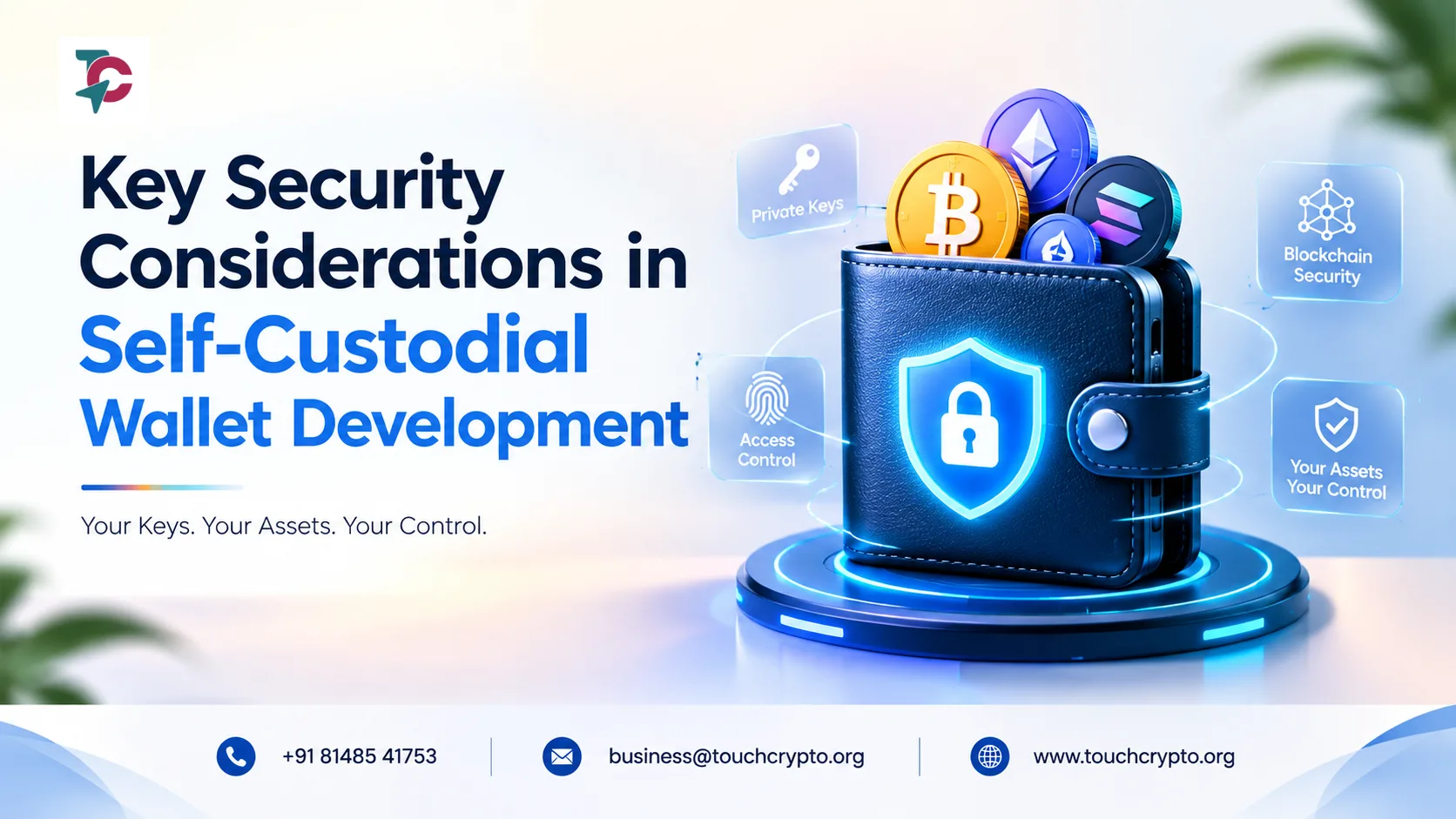
A self-custodial wallet allows users to have direct access to their digital assets, with no third party holding their funds or private keys. Since this model allows for users to take control over their assets, it has gained much popularity within Web3. That said, security comes under the spotlight when developing a self-custodial wallet.
Private Key Protection
The most critical part of a self-custody wallet is the private key. Anyone with access to the private key could potentially access the assets. The design of a wallet should seek to limit access to the private key and to store it securely and generate it safely.
Depending on the wallet type, encryption storage, secure hardware environments, multi-party computation and other techniques can be taken into consideration to enhance key security protection.
Secure Wallet Creation
Wallet creation is the point of entry. The creation process of the key and the recovery phrase has to use cryptographically secure randomness. It can't have any deterministic elements in it and it can't expose any information through logs, screenshots, analytics and third-party services.
Instructions should be provided to the user regarding storing the recovery phrase when setting up the wallet.
Recovery and Backup
Needs Recovery Functionality Since the customer has the coins through the self-custodial wallet, there needs to be a recovery function. The recovery phrase is never documented in plain text anywhere or on any external server.
The wallet should be transparent about how recovery functions and provide guidance that saves users from frequent errors, like posting their recovery phrase online or revealing it to strangers.
Transaction Security
Transaction validation Validations of transactions are required. Prior to the approval of transactions by the users, all the data regarding transactions (recipient’s address, asset, amount, network fees) must be available in the wallet.
Further considerations for security Safeguards for malicious request handling, unexpected signature handling, phishing UI, and dangerous interaction with smart contracts are some considerations for developers. Allowing users to see transaction information will allow them to recognise strange activity before signing a transaction.
Smart Contract and dApp Interactions
Contemporary wallets can integrate with decentralised applications. These relationships might have further security implications since users might sign transactions and give token permissions via 3rd party apps.
A trustworthy wallet should also give clear permission details and trim down excessive permissions where possible. Keeping an eye on dodgy contracts and a greater handle on transactions will also help keep wallets safer.
Multi-Chain Security
How does multi-chain support affect functionality? Supporting multi-chains opens a lot more possibilities but at the same time makes things a lot more complicated on the technical side. For example – different chains may have very different transaction structures and address formats.
It's important for developers to implement validation that is specific to each network and not rely on the same security model working the same way on all blockchains.
Regular Testing and Auditing
Don't just test security before going live. It may be tempting to only test for security issues right before going live, but this should not be the case. Regular code reviews and penetration testing, dependency review and smart contract auditing are all advisable.
And after launch, monitoring and providing timely security updates is also just as critical, as new threats will emerge as the wallet functionality increases.
Conclusion
Self-custodial wallets should have extra layers of protection, outside of safeguarding your private keys. A secure wallet design, recovery methods, transaction authorisation, dApp authorisation, multi-chain support, and constant testing all contribute to a secure wallet. A dual approach of securing the wallet with sensible features and a transparent user journey will build confidence without adding risk.
Any Queries? Talk to Our Experts:
Phone: +91 81485 41753
Telegram: https://telegram.me/touchcrypto1
Gmail: [email protected]