Charging Into the Future: The Electric Vehicle Revolution Accelerates
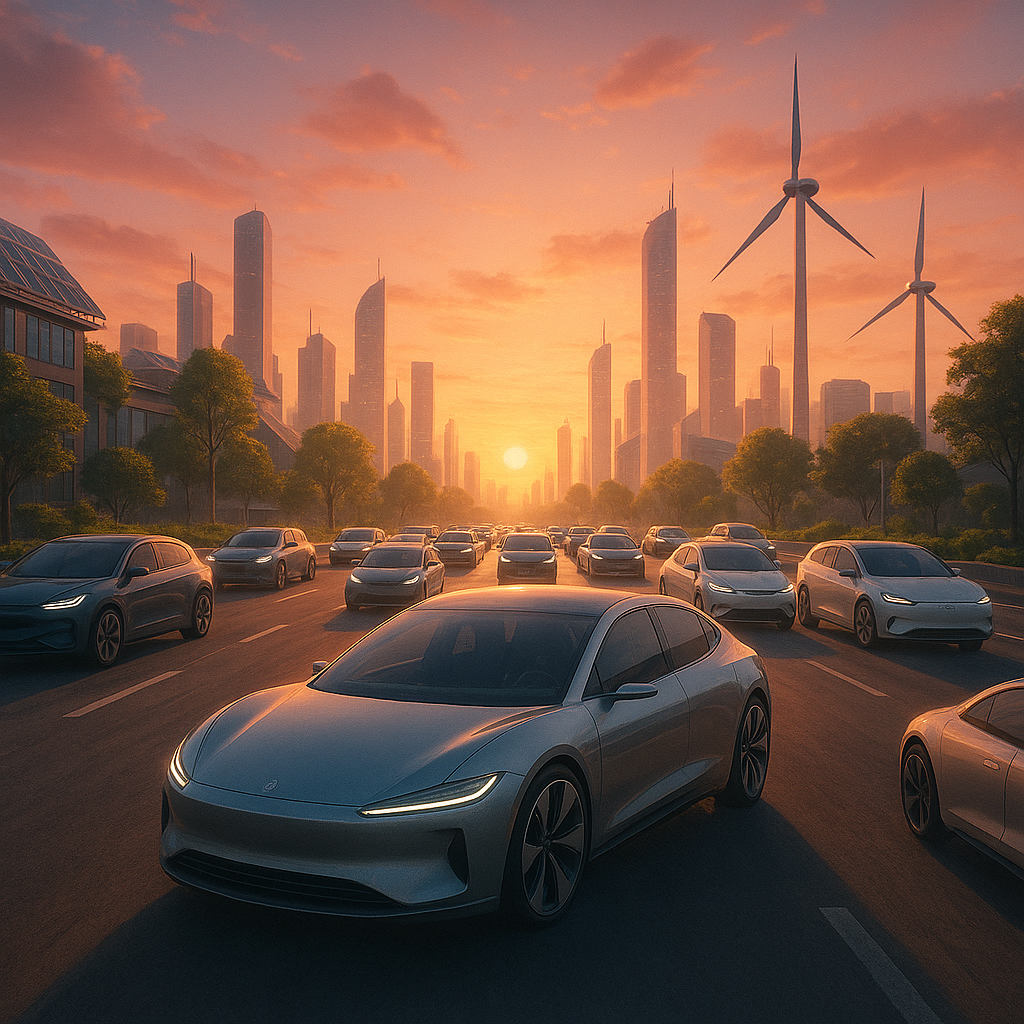
On a crisp morning in early 2026, the streets of Oslo buzzed with an unusual sight: a fleet of futuristic electric vehicles (EVs) silently gliding past traditional petrol stations, now repurposed as rapid charging hubs. This scene captures a global shift that has been gathering momentum for years. Electric vehicles, once a niche market, are now poised to reshape transportation worldwide. According to Statista data, global EV sales surpassed 20 million units in 2025, a steep rise from just 2 million in 2019. This surge is not merely a product of consumer demand but a confluence of technological breakthroughs, regulatory pressures, and evolving consumer expectations.
The coming years promise an even more radical transformation, as a diverse lineup of electric vehicles is set to hit roads soon. These models bring innovations in battery chemistry, autonomous driving capabilities, and sustainable manufacturing processes. TheOmniBuzz’s recent coverage in Electric Vehicles Surge Forward: What’s Coming to Roads Next highlights the breadth of this upcoming wave. From compact urban EVs optimized for shared mobility to luxury electric SUVs with extended range, the market is expanding rapidly.
"Electric vehicles are no longer about trade-offs; they are about enhanced performance, sustainability, and user experience," says Dr. Helena Voss, a leading automotive analyst at the European Institute for Sustainable Mobility.
Tracing the Road: How the EV Landscape Evolved
The trajectory of electric vehicles has been shaped by decades of innovation and policy shifts. Early electric cars in the late 20th century suffered from limited range, high costs, and lack of infrastructure. The breakthrough came in the 2010s with lithium-ion battery improvements and Tesla’s market disruption. By 2020, major automakers had committed billions to electrification, and governments worldwide introduced aggressive emissions targets.
Fast forward to 2026, and the EV ecosystem has matured. Battery energy density has increased by over 50% since 2020, while costs have dropped to under $80 per kWh, according to industry reports. Key milestones include:
- Widespread deployment of solid-state batteries offering faster charging and greater longevity.
- Expansion of ultra-fast charging networks, with over 200,000 public chargers in North America and Europe combined.
- Policy incentives in major markets like the EU and China making EVs financially accessible to a broader demographic.
These advances reflect a broader shift from early adopters to mainstream acceptance. Moreover, the integration of renewable energy sources into the grid is increasingly powering EV charging sustainably, addressing earlier environmental criticisms.
Electric Vehicles Coming Soon: A Comprehensive Look at 2026 Launches
This year marks an unprecedented influx of new electric models across segments and regions. Automakers are betting on diversity to capture various consumer needs, from city dwellers to long-distance travelers. Key launches include:
- Volkswagen ID.7 Pro: A midsize sedan with a 450-mile range, featuring solid-state battery tech and a revamped autonomous driving suite.
- Tesla Model 2: Tesla’s affordable compact EV aimed at global markets, priced around $25,000, with innovations in battery recycling.
- Hyundai Ioniq 7: A full-size electric SUV boasting fast-charging capabilities and bi-directional vehicle-to-grid (V2G) integration.
- Rivian R2: An all-electric pickup truck designed for rugged terrain and equipped with next-gen battery modules for over 400 miles of range.
- Lucid Air Pure: A luxury sedan that now includes solar roof panels to supplement battery charging, boosting efficiency in sunny climates.
These vehicles showcase how automakers are pushing the envelope in performance and sustainability. Enhanced onboard AI systems enable smarter energy management and personalized driving experiences. Moreover, many models are incorporating recycled materials and modular designs to reduce environmental footprints further.
Automotive expert Javier Morales notes, "The 2026 EV lineup reflects a maturity in design philosophy. Manufacturers are focusing not just on electrification but on holistic sustainability and connectivity."
Industry Impact and Expert Perspectives on the 2026 EV Wave
The arrival of these new EVs is catalyzing profound shifts across the automotive industry and beyond. Supply chains are adapting to the rising demand for critical minerals like lithium, cobalt, and nickel, with companies investing heavily in sustainable mining and recycling technologies. The push for localized production hubs in Europe, North America, and Asia aims to mitigate geopolitical risks and reduce carbon footprints.
Financial analysts highlight the growing importance of software and services in the EV market. Subscription-based features, over-the-air updates, and integrated mobility platforms represent new revenue streams. Additionally, partnerships between automakers and tech firms are accelerating innovation cycles.
TheOmniBuzz’s article How Future EVs Will Redefine Driving With Tech and Sustainability underscores the role of digital ecosystems in shaping user experiences. Manufacturers now compete on their ability to deliver seamless integration between vehicle, home, and cloud services.
- Automakers investing in solid-state battery production facilities to secure supply chains.
- Governments increasing infrastructure funding, targeting 1 million fast chargers in the EU by 2028.
- Insurance companies adapting models to EV-specific risks and autonomous features.
These trends indicate that the EV revolution is inseparable from broader technological and societal transformations.
Case Studies: Real-World Adoption and Performance of Upcoming EVs
Several pilot programs and early releases of upcoming EV models provide insights into their real-world viability. For example, the city of Amsterdam recently partnered with Hyundai to deploy a fleet of Ioniq 7 SUVs for municipal services. Early reports indicate a 30% reduction in operational costs compared to traditional combustion vehicles, driven by lower maintenance and fuel expenses.
Meanwhile, Tesla’s Model 2 pre-orders have exceeded 150,000 units globally, reflecting strong consumer anticipation. Early adopters praise its compact size and affordability without compromising range or safety features. Rivian’s R2 prototype has undergone extensive off-road testing in Colorado, demonstrating robustness and battery efficiency in challenging environments.
These examples illustrate the diversity of EV applications and the growing confidence in electric mobility solutions.
"Our experience with the Ioniq 7 fleet confirms that electric vehicles can meet demanding urban service needs while cutting emissions dramatically," says Amsterdam’s transportation director, Marieke Janssen.
What to Watch: The Road Ahead for Electric Vehicles
Looking forward, the trajectory of EV adoption will depend on several critical factors. Battery innovation remains paramount, with next-generation solid-state and lithium-metal cells promising to unlock longer ranges and faster charging. Simultaneously, the expansion of renewable energy grids will determine the true environmental impact of electric mobility.
Regulatory frameworks are evolving rapidly. The EU’s recent mandate requiring all new cars sold from 2030 to be zero-emission vehicles has spurred automakers to accelerate product rollouts. In the U.S., federal incentives combined with state-level policies continue to drive consumer uptake.
Consumer attitudes are also shifting. As highlighted in Owning Two EVs Changed How I See Driving and Buying Electric Cars, early adopters report higher satisfaction and lower total cost of ownership than expected, encouraging wider adoption.
- Watch for breakthroughs in battery recycling to reduce reliance on virgin materials.
- Monitor advancements in vehicle-to-grid integration enabling EVs as distributed energy resources.
- Track developments in autonomous driving tech enhancing safety and convenience.
The interplay of these factors will determine how swiftly electric vehicles become the dominant mode of transportation globally.