Planning your first visit to Kedarnath Temple feels exciting and slightly overwhelming at the same time. You imagine the towering Himalayan peaks, the long uphill trek, and the chants of “Har Har Mahadev” echoing in the valley. Then a practical question pops up: Am I truly prepared?
This guide gives you clear, factual, and structured information for your first Kedarnath Yatra. You will not find exaggerated promises here. You will find real details, practical tips, and logical planning advice that help you travel safely and confidently.
About Kedarnath Temple
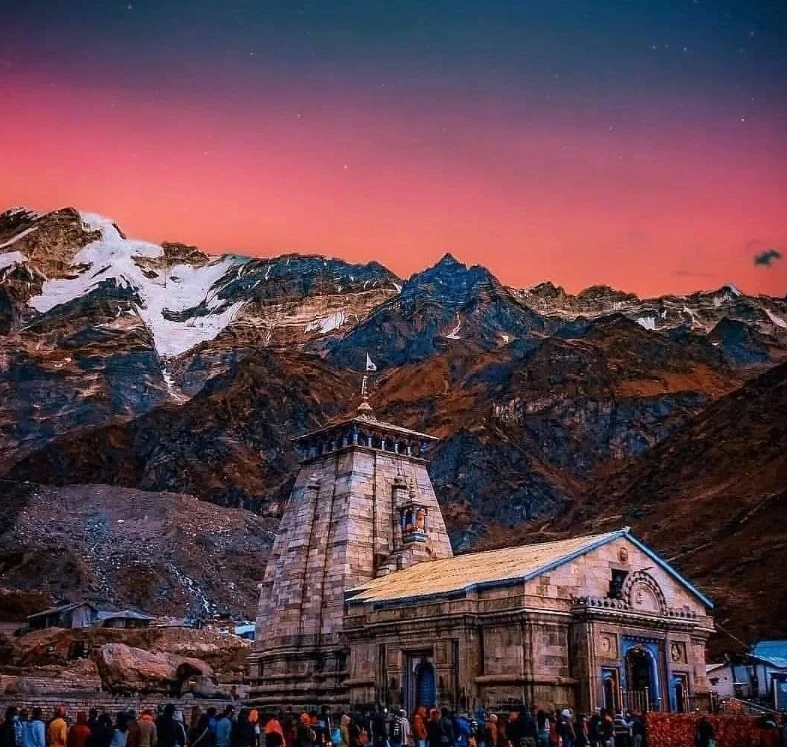
Kedarnath Temple stands at an altitude of approximately 3,583 meters in the Rudraprayag district of Uttarakhand. Devotees recognize it as one of the twelve Jyotirlingas of Lord Shiva, which makes it spiritually significant across India.
The temple opens only for six months each year. Heavy snowfall blocks access during winter, so authorities shift the deity to Ukhimath after closure. The shrine usually opens in April or May and closes around October or November, depending on weather conditions.
The stone structure has stood strong for centuries in extreme Himalayan weather. After the 2013 floods, structural assessments confirmed that the main temple structure remained intact due to its solid construction and elevated placement.
Best Time to Visit Kedarnath
You should plan your trip carefully because weather plays a major role in the yatra experience.
May to June
This period offers relatively stable weather. Snow clears from the trekking route, and services operate smoothly. However, you will encounter heavy crowds during peak pilgrimage season.
July to August
Monsoon brings frequent rainfall and increased risk of landslides. Road closures may happen without much notice. First-time pilgrims should avoid this season unless they feel fully prepared for unpredictable weather.
September to October
Many experienced travelers prefer this period. The skies look clearer, and crowds reduce compared to peak months. Temperatures drop, so you must carry proper winter clothing.
Always check current weather updates before departure. Himalayan conditions change quickly.

Registration Process Is Compulsory
You cannot begin the yatra without registration.
The Uttarakhand government makes registration mandatory for safety monitoring. You can complete the process online through official portals or at designated registration centers in cities such as Haridwar, Rishikesh, and Sonprayag.
Carry these essentials:
- Government-issued ID proof
- Registration confirmation slip
- Medical fitness certificate if required
How to Reach Kedarnath
Reaching Kedarnath involves three main stages. Proper planning reduces stress during travel.
Step 1: Reach Haridwar or Rishikesh
Most pilgrims arrive in Haridwar or Rishikesh by train or road. Both cities offer strong connectivity with major Indian cities.
Step 2: Travel to Sonprayag
From Rishikesh, you travel by road to Sonprayag. The journey covers around 210 to 220 kilometers and usually takes 8 to 10 hours depending on traffic and road conditions.
Step 3: Trek from Gaurikund
The trek begins at Gaurikund. The distance to Kedarnath measures approximately 16 to 18 kilometers.
You can choose from:
- Trekking on foot
- Hiring a pony or mule
- Booking a palki service
- Taking a helicopter from approved helipads
Helicopter services operate under government regulation and remain subject to weather clearance. Always book through authorized operators.
Physical Fitness and Altitude Awareness
Do not treat this trek casually.
At 3,583 meters, oxygen levels drop significantly compared to plains. Even healthy individuals may feel breathless. Start light cardio training at least four weeks before your trip.
Focus on:
- Brisk walking
- Stair climbing
- Controlled breathing exercises
If you have heart, lung, or blood pressure conditions, consult a doctor before planning your Kedarnath Temple Yatra. Preparation reduces risk and improves your overall experience.
Accommodation Options
You will find guesthouses, dharamshalas, and tented camps near Kedarnath. Facilities remain basic due to high altitude and environmental restrictions.
Do not expect luxury amenities. Expect simple beds, limited electricity, and cold nights.
Book in advance during peak months. Many pilgrims arrive without reservations and struggle to find rooms. If you prefer more comfort, consider staying in nearby towns like Guptkashi or Sonprayag and adjusting your schedule accordingly.
What to Pack for Kedarnath Yatra
Packing smartly can make or break your trek.
Carry:
- Warm layered clothing
- Waterproof jacket
- Comfortable trekking shoes with good grip
- Essential medicines
- Sunscreen and sunglasses
- Power bank
Weather shifts quickly. A bright sunny morning can turn into a cold evening within hours. Avoid carrying unnecessary weight because every extra kilogram feels heavier during an uphill climb.
Darshan Process at Kedarnath Temple
Pilgrims queue in organized lines for darshan. During peak season, waiting time may extend to several hours.
Temple rituals begin early in the morning, often around 4 AM with special prayers. General darshan continues throughout the day with scheduled breaks.
If you wish to book special pujas, use official booking channels only. Avoid middlemen who promise faster access.
Safety Guidelines for First-Time Pilgrims
Safety should guide every decision.
- Start trekking early in the morning
- Maintain a steady pace
- Stay hydrated
- Follow marked routes
- Listen to local authorities
The region falls under a sensitive Himalayan zone. Officials monitor weather forecasts and road conditions regularly. If authorities restrict movement due to safety concerns, cooperate immediately.
Your patience can prevent serious risk.
Environmental Responsibility
Kedarnath lies close to the ecologically sensitive Kedarnath Wildlife Sanctuary.
Protect this fragile environment by:
- Carrying reusable water bottles
- Avoiding plastic waste
- Respecting local traditions
The Himalayas reward responsible travelers. Keep the region clean so future generations can experience the same spiritual atmosphere.
Final Thoughts
Your first Kedarnath Temple Yatra will test your stamina and strengthen your spirit. The journey demands preparation, discipline, and respect for nature.
Plan carefully. Train your body. Pack wisely. Stay informed. Travel with humility.
Kedarnath does not promise comfort. It offers something far deeper. When you stand before the ancient stone temple surrounded by snow-covered peaks, the effort suddenly feels meaningful.
Your legs might protest the next morning. But your heart will remain steady and full.