Student transportation requires careful planning every day. Schools and transportation providers may coordinate numerous vehicles, drivers, routes, schedules, and passenger requirements at the same time.
When a fleet becomes larger, simply knowing that vehicles are available may not be enough. Transportation managers may also need to understand which vehicles are assigned, which require maintenance, and which have capabilities needed for particular passengers.
Fleet-wide monitoring can help provide this operational visibility and support a more organized approach to student transportation.
Why Vehicle Visibility Matters
Transportation managers make decisions based on available resources.
If they know which vehicles are ready for service, which are assigned to routes, and which are unavailable, they can plan transportation more effectively.
Without organized vehicle information, scheduling can become more difficult, especially when several routes operate at the same time.
Fleet monitoring can give managers a broader view of the transportation operation and help them understand the current status of their vehicles.
Supporting Daily School Transportation
Students often depend on transportation according to consistent schedules.
A child may need transportation from home to school each morning and a return trip later in the day. Other students may have different schedules because they attend special programs or educational activities.
Families searching for Special education transportation can consider accessibility, scheduling, vehicle condition, driver experience, and communication when evaluating transportation options.
For providers, organized fleet information can help connect student requirements with available vehicles.
Understanding Vehicle Capabilities
Different vehicles may have different capabilities.
Some may be designed for general transportation, while others may have accessibility equipment for passengers who use wheelchairs or require additional mobility support.
Transportation managers need accurate information about these differences.
When a student requires a specific type of vehicle, knowing which suitable vehicles are available can help management teams plan transportation more effectively.
Monitoring Maintenance Status
Vehicle maintenance should be closely connected with fleet planning.
A vehicle may be temporarily unavailable because it needs routine servicing, inspection, or repair.
If transportation managers have current maintenance information, they can account for unavailable vehicles when creating schedules.
This can help reduce the possibility of assigning a vehicle that is not ready for service.
Supporting Drivers With Better Information
Drivers need clear transportation assignments.
They may need to know which vehicle they are using, where they need to go, when the passenger needs to be picked up, and whether there are specific transportation requirements.
When operational information is organized, management teams can communicate assignments more efficiently.
If changes occur, updated information can also be shared with drivers so they understand the revised plan.
Transportation for Children With Different Needs
Every child may have different transportation requirements.
Some students may travel without additional support, while others may need accessible vehicles, mobility equipment, or additional boarding time.
Families looking for Transportation for children with disabilities can ask providers about accessible vehicles, driver preparation, scheduling, and communication.
Understanding these requirements before a trip helps transportation providers plan appropriate resources.
Medical Transportation Requires Additional Coordination
Transportation providers may also serve passengers traveling to healthcare facilities.
Medical transportation can involve appointment times, mobility limitations, wheelchair requirements, and return-trip planning.
Families researching Non-emergency Medical Transportation in Pierce can ask providers about accessibility, scheduling, passenger assistance, and vehicle availability.
From a fleet perspective, transportation managers need to know which vehicles can accommodate different passenger requirements.
Exploring Local Medical Transportation
When comparing Medical transportation resources, passengers and caregivers can consider accessibility, scheduling, vehicle type, and communication procedures.
It can also be helpful to provide accurate information about the passenger's mobility needs and equipment requirements before booking.
This gives transportation providers a better understanding of what is needed for the trip.
Technology and Fleet-Wide Visibility
Technology can help transportation teams organize vehicle information.
Fleet monitoring systems may allow managers to maintain information about assignments, availability, maintenance, and other operational activities.
The specific features vary between systems, but the broader purpose is to make fleet information easier to access.
Better visibility can support transportation managers when making decisions about routes, vehicles, and schedules.
Beyond Ride's Fleet Monitoring Announcement
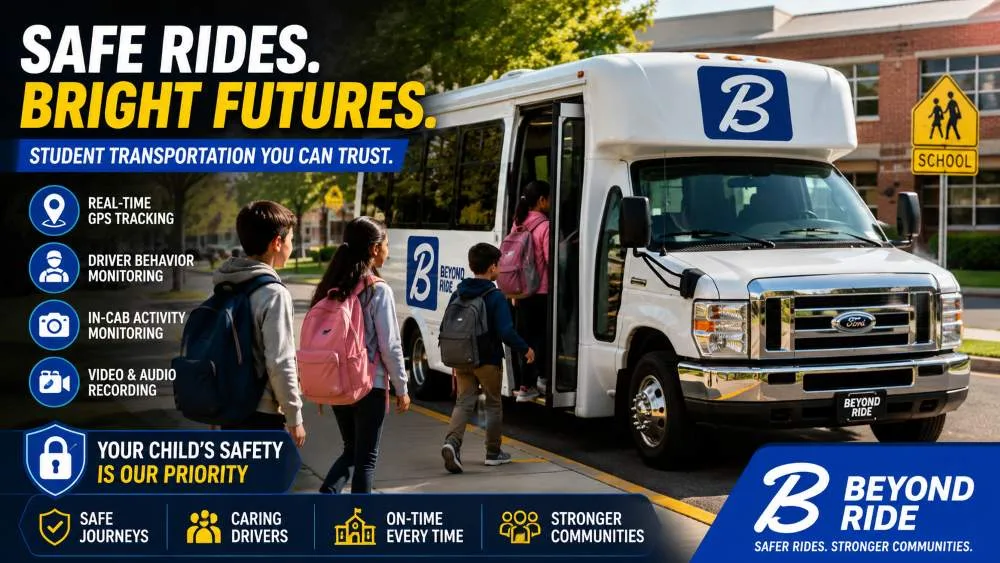
Beyond Ride's recent announcement about strengthening student transportation safety with fleet-wide monitoring highlights the importance of fleet visibility in student transportation operations.
Monitoring an entire fleet can help transportation teams maintain a broader understanding of their resources rather than relying only on individual vehicle information.
This approach can support more structured transportation management.
Communication Is Still Essential
Technology and monitoring systems do not replace communication.
Parents need transportation information. Schools need to communicate schedule changes. Drivers need route and assignment updates. Transportation managers need to coordinate all of these details.
A strong transportation operation combines organized information with clear communication procedures.
This can help everyone involved understand transportation arrangements and respond when changes occur.
Planning for Unexpected Situations
Unexpected situations can affect transportation schedules.
A vehicle may experience a mechanical problem, traffic may cause delays, or a school schedule may change.
Fleet-wide visibility can help managers understand what other resources may be available.
For example, if one vehicle becomes unavailable, knowing which other vehicles are ready for service can support the process of considering alternative arrangements.
Reviewing Fleet Operations
Transportation providers can periodically review their fleet management processes.
Useful areas to examine include:
- Vehicle availability
- Maintenance status
- Accessibility capabilities
- Driver assignments
- Route scheduling
- Communication procedures
- Fleet monitoring practices
Regular reviews can help transportation teams identify operational gaps and improve organization.
Supporting Safer Student Transportation
Vehicle visibility is an important component of modern transportation management.
When providers have a clearer understanding of their fleet, they can better organize vehicles, drivers, maintenance activities, and passenger requirements.
For schools and families in Tacoma, Kitsap County, and Pierce County, the larger goal is to create transportation systems that are safe, dependable, accessible, organized, and capable of responding to the needs of students.