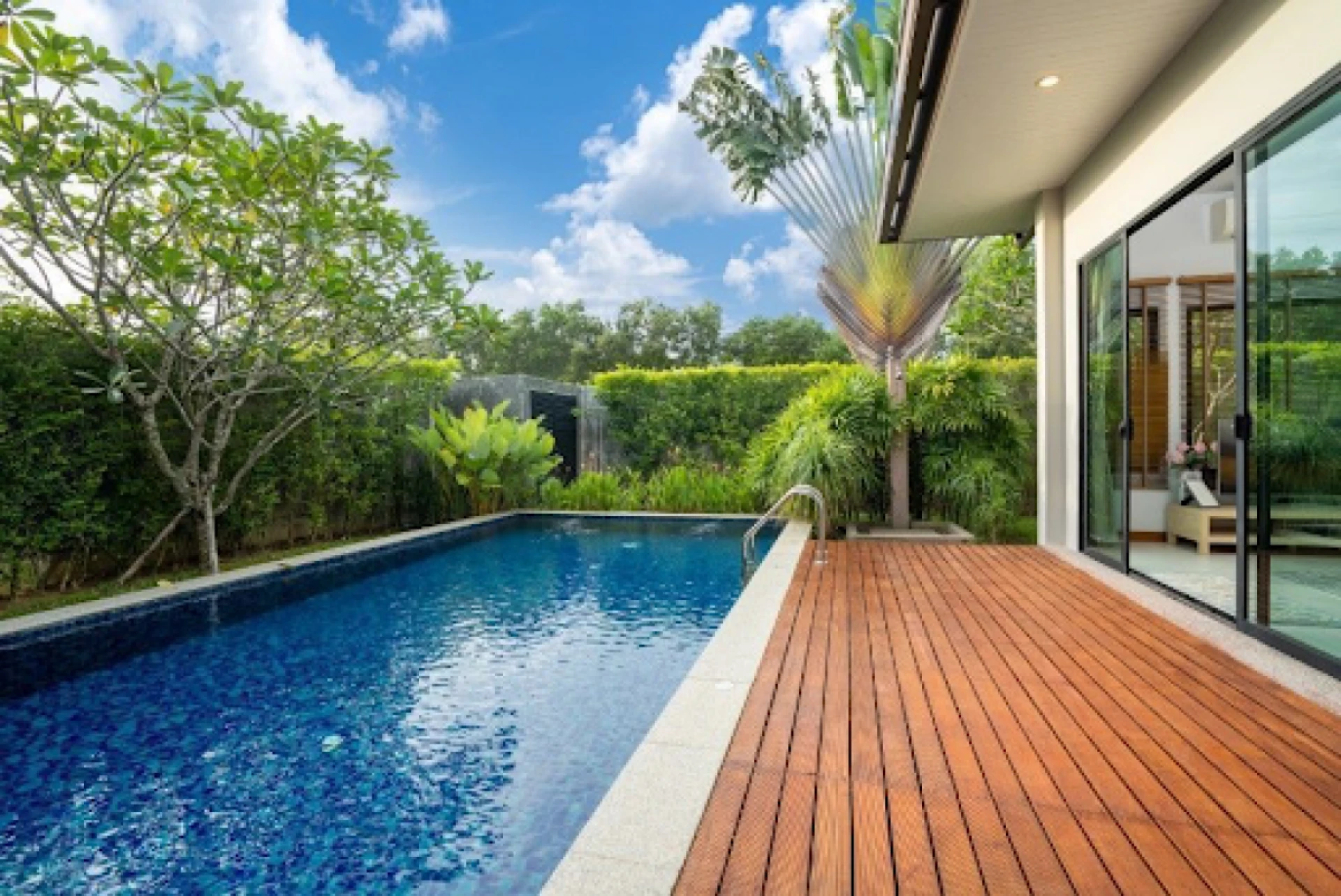
When designing a swimming pool, most homeowners focus on features like shape, tile, and landscaping. But one of the most important—and often overlooked—decisions is pool depth. The depth you choose affects not just safety but also comfort, functionality, and long-term enjoyment. Jordan Hidalgo of Largo, FL explains how to select the ideal pool depth based on how your family uses the pool.
Why Pool Depth Matters
Pool depth influences how your family interacts with the pool. It impacts:
- Safety for children and non-swimmers
- Swimmer comfort and accessibility
- Suitability for games, diving, and exercise
- Maintenance and heating costs
Choosing the wrong depth can lead to regrets, while the right depth ensures everyone enjoys the water safely and comfortably.
Common Pool Depth Ranges
Before diving into family-specific needs, here are typical depth zones:
UseRecommended DepthWading or Tanning Shelf6–12 inchesShallow Area for Kids2.5–3.5 feetLap Swimming or Exercise4–5 feetRecreational Play3.5–5 feetDiving (if allowed)Minimum 8 feet (often 9+)
How to Match Depth to Your Family’s Needs
1. For Families With Young Children
Ideal Depth: 2.5 to 3.5 feet in the shallow end
Recommended Design: Include a wading area or tanning ledge for safe splashing and supervision. Gradual slope designs work best to help kids get comfortable in the water.
Tip from Jordan:
“Young kids grow fast. Design a shallow area for now, but ensure the deeper side allows for fun as they age.”
2. For Casual Swimmers and Relaxation
Ideal Depth: 3.5 to 5 feet
If your pool is for cooling off, floating, or light swimming, this range offers comfort without excess depth.
Bonus: Shallower pools are easier and less expensive to heat and maintain.
3. For Lap Swimming and Aquatic Exercise
Ideal Depth: 4 to 5 feet
You want just enough depth to avoid touching the bottom while swimming or doing resistance workouts. Consistent depth works better for laps.
Tip: A rectangular pool with a uniform 4.5-foot depth is ideal for fitness use.
4. For Water Games and Family Fun
Ideal Depth: 3.5 to 5 feet
For volleyball, basketball, or other games, choose a depth that’s comfortable to stand in. Many opt for a “sports bottom” design: shallow on both ends with a deeper middle (usually 5 feet).
5. For Diving Enthusiasts
Ideal Depth: At least 8 to 9 feet (or more depending on local regulations)
Diving adds excitement but requires serious depth for safety. If you want a diving board, you’ll need a deep end specifically designed for it.
Warning: Not all backyards or pool types support diving pools. Check local building codes.
Other Important Considerations
1. Slope Transitions
If your pool includes both shallow and deep areas, the slope should be gradual. Sharp drop-offs can be dangerous, especially for children.
2. Pool Size
The length of the pool will affect how much space you have for each depth zone. A smaller pool may need to stick to uniform or minimal variation in depth.
3. Budget and Maintenance
Deeper pools use more water, cost more to heat, and may require additional safety measures.
4. Safety Regulations
Always follow local building codes, especially for diving pools or those used by children.
Jordan Hidalgo’s Advice for Pool Buyers in Largo, FL
“Depth planning is just as important as design and materials. Think about who’s using the pool now and in the future. You want a space that evolves with your family and delivers joy, not frustration.”
Final Thoughts
Choosing the right pool depth isn’t just about numbers—it’s about lifestyle, safety, and how you and your family plan to use the pool for years to come. By considering everyone’s needs—from toddlers to adults—you’ll create a swimming pool that is safe, practical, and endlessly enjoyable.
Let your pool’s depth serve your family’s fun, fitness, and future.