
Shared living arrangements like strata properties depend heavily on well-maintained communal areas. These shared spaces, such as foyers, lifts, stairwells, and car parks, are used daily by multiple residents, visitors, and service providers. As such, they demand consistent cleaning and upkeep to preserve hygiene, meet compliance standards, and ensure a welcoming atmosphere.
For strata property owners, having a common area cleaning checklist in place is one of the simplest and most effective ways to manage these responsibilities. A well-planned checklist saves time, creates accountability, and can even help avoid legal complications or health risks that arise when cleaning duties are overlooked.
What are the common areas in strata properties?
Under Australian strata law, “common areas” refer to spaces jointly owned and used by all residents. These include foyers, corridors, stairwells, lifts, mail rooms, bin storage areas, communal gardens, swimming pools, gyms, and shared car parks. Because these spaces serve everyone in the building, their condition reflects on the entire property and influences resident satisfaction and property value.
Different buildings require different cleaning approaches depending on their size, number of floors, and facilities. For example, a high-rise apartment with multiple lifts and underground parking will have different needs from a low-rise complex with shared lawns and outdoor staircases. It’s also vital to identify high-traffic zones such as entranceways and lifts that accumulate dirt and germs more quickly and therefore need more frequent attention.
What should you include in a common area cleaning checklist?
A common area cleaning checklist should be organised by frequency to ensure tasks are prioritised effectively.
Daily tasks should cover essential hygiene and presentation duties such as emptying bins, cleaning floors near entrances, sanitising door handles and lift buttons, and checking that all lights are working.
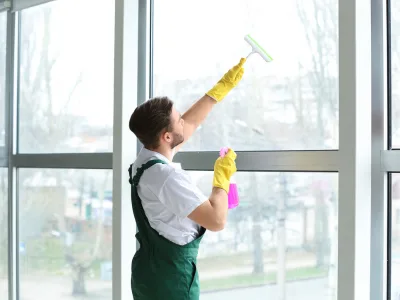
Weekly tasks might include mopping lobbies, cleaning stair railings, washing glass doors and windows, and checking shared outdoor spaces for litter or overgrown plants.
Monthly maintenance may involve deep cleaning carpets, wiping down light fixtures, cleaning air vents, and pressure washing high-use surfaces.
Seasonal or annual responsibilities should not be overlooked. These include gutter cleaning, repainting walls or fences, inspecting for pests, and conducting full hygiene audits before summer or flu season begins.
By mapping out tasks in this structured way, you can ensure nothing gets missed and that cleaning resources are used efficiently.
Who is responsible for following the checklist?
Maintaining common areas is often a shared responsibility between the building manager, cleaning contractors, and the strata committee. While the cleaning itself is typically handled by a contractor or onsite staff, it’s up to the strata committee or building manager to ensure accountability and performance.
It is essential to clearly assign each task in the checklist to a role, whether that’s a cleaner, maintenance worker, or supervisor. Without accountability, tasks may be skipped or poorly executed. Using a cleaning logbook or digital checklist system can help track completion and ensure that standards are consistently met.
A digital checklist also makes it easier to schedule tasks, record photos of work completed, and provide proof of compliance with hygiene or safety standards.
Customising the checklist for your property
No two strata properties are the same. Factors such as the building layout, number of occupants, and facilities available should all shape your area cleaning checklist.
Larger buildings may need more frequent cleaning or additional team members, while those with features like pools or gyms require specialised care. Collaborating with a professional cleaning provider can help ensure that your checklist is tailored to the specific challenges of your site.
It is also a good idea to ask residents to report problem areas, such as a frequently overflowing bin or slippery stairwell, so that your checklist evolves with real-world use. Make sure your checklist also accounts for accessibility, ensuring common areas remain safe and usable for residents with mobility issues.
How to monitor and update the checklist over time
Building a checklist is only the first step. Keeping it up to date ensures that it remains effective as the property’s needs change. A good rule of thumb is to review your checklist quarterly or at least every six months.
Seek feedback from residents, cleaning staff, and the strata committee to find out if any tasks are being missed or need adjusting. For example, you might discover that a certain entrance is being used more than expected and needs more regular attention.
You should also monitor changes in public health guidelines or strata regulations, especially after disruptions like pandemics or renovations. If the building undergoes any construction work or seasonal changes, your checklist should reflect these temporary needs.
Common mistakes to avoid when creating a checklist
Many strata property owners make the mistake of downloading a generic checklist and assuming it will suit their building. In reality, a checklist must be customised to match the building’s size, layout, and foot traffic.
Another common issue is including too many tasks, many of which cannot realistically be completed within the available time or resources. This leads to skipped steps and reduced accountability. Instead, focus on creating a balanced schedule that’s both thorough and manageable.
It is equally important to assign responsibilities clearly. Vague job descriptions like “clean as needed” do not hold anyone accountable and are open to misinterpretation. Finally, never ignore legal or council obligations around cleaning, waste disposal, or hazard management. These rules are in place to protect residents and avoid fines or complaints.
Why a proper checklist saves money in the long run
Although it may seem like an extra administrative burden, a well-built common area cleaning checklist can deliver real financial benefits. Regular cleaning prevents costly repairs caused by neglect, such as water damage from clogged gutters or pest problems from overflowing bins.
Well-maintained common areas also reduce the number of resident complaints, improve the living experience, and help protect property values. Plus, when maintenance needs are anticipated and scheduled, strata levies remain more stable and easier to manage.
A detailed checklist also improves communication with contractors and enables performance tracking. If issues arise, having a record of cleaning tasks helps you respond faster and more confidently.
Maintain your property with a strong common area cleaning checklist
A properly designed common area cleaning checklist is more than just a list of chores. It’s a proactive tool that protects the health, safety, and value of your strata property. By staying organised, assigning responsibilities, and reviewing the checklist regularly, you can maintain high standards across all shared spaces and avoid the risks associated with poor maintenance. Also, investing in strata cleaning and Commercial cleaning in Sydney will keep your property cleaner, safer, and more cost-effective in the long run.