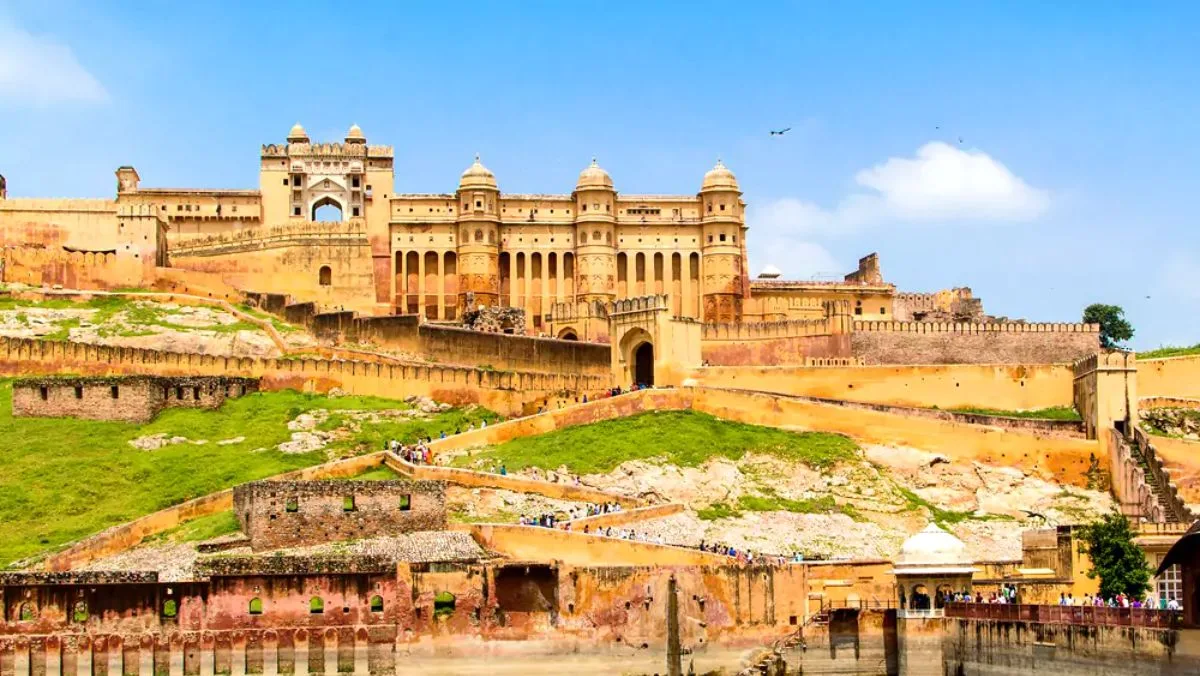
Traveling between the historic capitals of Rajputana reveals the diverse cultural textures of Rajasthan. Setting out from the bustling Pink City toward the sacred oasis of Pushkar offers travelers a transition from grand palace architecture to tranquil lakefront spirituality. Curating this specific overland route requires hands-on logistical precision, particularly when coordinating highway transit along National Highway 48 with temple darshan timings. When travelers entrust their trip planning to an established travel agency in Rajasthan, managing highway toll passages, navigating narrow heritage lanes, and scheduling temple visits becomes a seamless, well-orchestrated process.
Route Overview and Travel Logistics
The road journey from Jaipur to Pushkar covers an approximate distance of 145 kilometers, typically taking between two and a half to three hours depending on local traffic around Kishangarh. Modern highway infrastructure allows for an early departure, ensuring visitors arrive in Pushkar well before the midday heat and the peak afternoon temple crowds.
Recommended Departure Timing
Departing Jaipur between 6:30 AM and 7:00 AM allows travelers to avoid city transit bottlenecks. An early start also leaves sufficient time for a traditional Rajasthani breakfast along the Ajmer highway bypass before beginning local sightseeing.
Essential Highway Checkpoints
- NH 48 corridor through Bagru and Dudu
- Kishangarh bypass known for marble markets
- Aravalli mountain pass connecting Ajmer to Pushkar valley
Morning Exploration: Pushkar Sacred Sites
Pushkar holds rare religious significance as the abode of the Jagatpita Brahma Mandir, one of the few prominent sanctuaries dedicated to Lord Brahma worldwide. Navigating the town requires mindful awareness of local customs, especially regarding footwear protocols around sacred ghats and respectful dress codes.
Brahma Temple Darshan
The 14th-century structure sits on a high plinth reachable by stone steps. Visitors enter through a marble gateway adorned with the emblem of a swan, the mythical vehicle of Brahma. Morning hours provide the best atmosphere for prayer rituals before tourist queues form. Local temple trust guidelines request visitors to deposit electronics in designated lockers outside the inner sanctum.
Pushkar Lake and Heritage Ghats
Surrounding the sacred lake are 52 stone ghats where pilgrims gather for ritual cleansing. Brahma Ghat and Varaha Ghat feature continuous spiritual activity, accompanied by the resonating chimes of temple bells. Walking along the lake's stone perimeter provides insight into the centuries-old pilgrimage culture that characterizes the town.
Midday Excursions and Cultural Experiences
After visiting the spiritual landmarks around the lake, the midday itinerary shifts toward cultural discoveries and elevated vantage points overlooking the desert landscape.
Savitri Temple Ascent
Perched atop the Ratnagiri Hill, the temple dedicated to Goddess Savitri offers sweeping views of Pushkar town and the surrounding semi-arid terrain. Visitors can reach the peak via a stone stairway or by utilizing the functional ropeway system. The ascent provides travelers with perspective on the town's geographic setting enclosed by the rugged Aravalli Range.
Traditional Rajasthani Lunch
Pushkar's culinary offerings reflect traditional vegetarian heritage. Local dhabas and heritage dining halls serve authentic dal baati churma prepared with pure ghee, accompanied by cooling glasses of mint-infused chaas. Many heritage courtyards offer quiet respite from the midday sun before afternoon activities commence.
Afternoon Activities and Street Bazaars
The afternoon presents an opportunity to explore the local craft traditions sustained by Pushkar's generational artisan communities.
Exploring Local Markets
The narrow lanes branching out from the main temple square showcase distinct handcrafted goods:
- Rose water and gulkand produced from local damask rose fields
- Hand-block printed cotton apparel and bed covers
- Silver jewelry featuring traditional tribal motifs
- Handmade leather journals and embroidered camel-leather accessories
Sand Dunes and Desert Sunset
Pushkar's outskirts connect directly with rolling sand dunes. An afternoon camel ride or a desert safari vehicle excursion leads into the rural dunes of Ganehera. The late afternoon light illuminates the sand, providing a quiet setting to witness the desert sunset before beginning the return journey toward Jaipur.
Curating Your Broader Rajasthan Travel Plans
Choosing whether to complete this route as a single-day excursion or as part of a wider state journey depends on your available time and travel preferences. Travelers with constrained schedules often opt for a Jaipur with Pushkar say tour to integrate the essential landmarks of both destinations within a coordinated, comfortable timeframe. For visitors wishing to thoroughly study Jaipur's architectural heritage—including Amber Fort, City Palace, and Jantar Mantar—before embarking on intercity travel, booking a dedicated Jaipur full day tour ensures ample attention is devoted to the state capital's UNESCO World Heritage monuments.
Practical Travel Tips for the Journey
- Maintain modest attire covering shoulders and knees when entering temple precincts and walking near the ghats.
- Carry cash in smaller denominations, as several local vendors and temple stalls operate without digital payment terminals.
- Beware of unsolicited priest offerings near the water ghats; clarify ceremonial dakshina expectations beforehand.
- Hydration remains crucial year-round across the semi-arid central plains of Rajasthan.