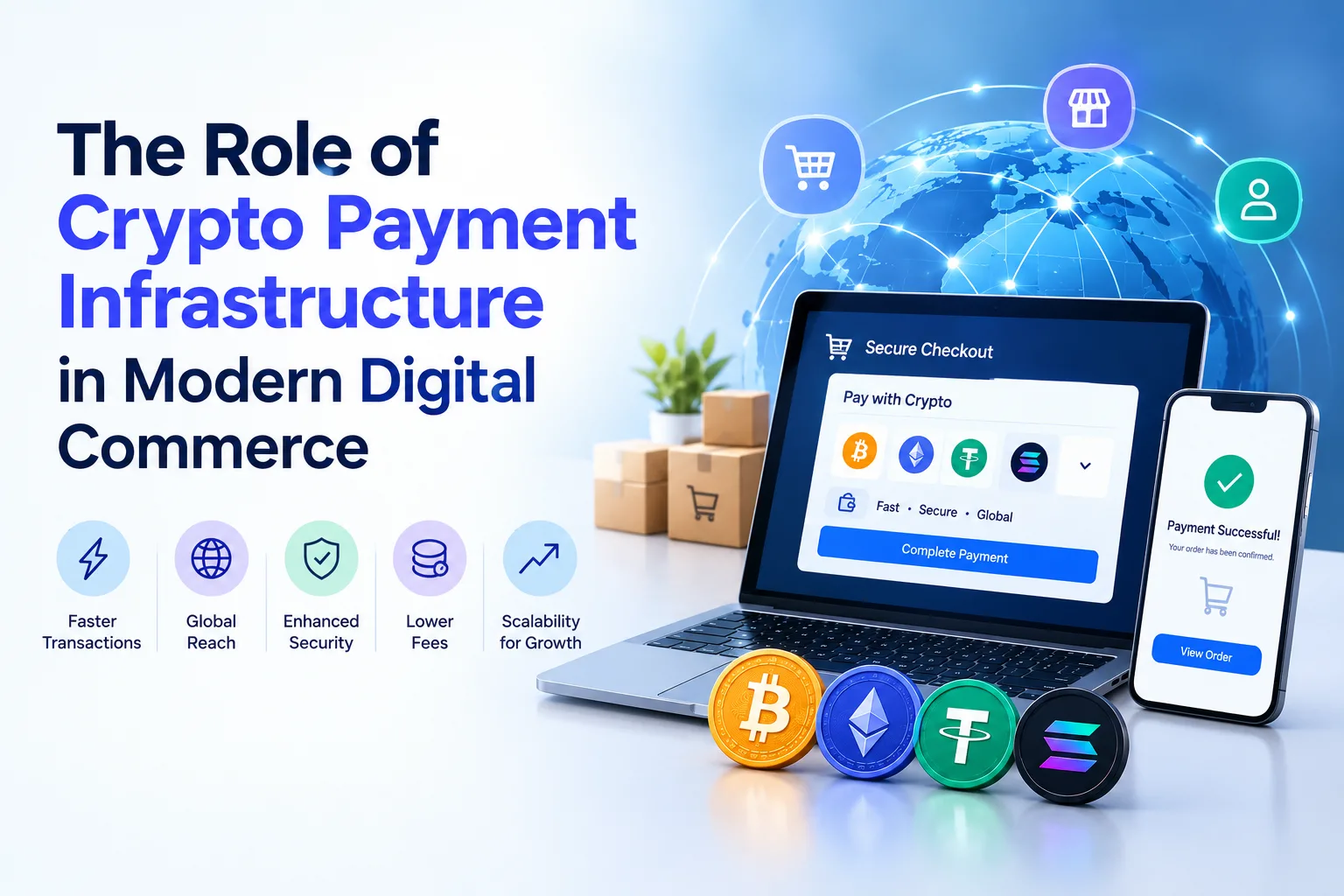
Launching a crypto token can look exciting from the outside. You have a website, a whitepaper, social media accounts, a token roadmap, and perhaps even a community waiting for the launch.
But then something happens.
Engagement starts dropping. Telegram members stop responding. Social posts get fewer views. Website traffic does not turn into wallet connections or registrations. The token sale moves slowly, and your team starts wondering what went wrong.
A stalled token launch does not always mean the project is bad. In many cases, the problem is the marketing approach. Small changes in messaging, targeting, content, community activity, and conversion paths can make a noticeable difference.
Here are 10 practical crypto marketing tweaks that can help get your token launch moving again.
1. Rework Your Token's Main Message
If people cannot understand what your token does within a few seconds, your marketing message needs work.
Avoid filling your homepage and social posts with technical terms that only blockchain developers understand. Explain the problem your project addresses, how the token fits into the product, and why someone should care.
For example, instead of saying:
"XYZ is a decentralized protocol powered by an advanced multi-chain infrastructure."
Try something clearer:
"XYZ lets users move digital assets between supported networks with lower transaction costs."
The second version tells people what the project actually does.
Your messaging should answer three basic questions:
- What does the project do?
- Who is it for?
- Why does the token matter?
If these answers are unclear, revisit your positioning before spending more money on promotion.
2. Stop Talking Only About the Token Price
A common mistake in token marketing is making price the center of every campaign.
Posts about potential returns may attract attention, but they do little to build long-term interest in the project. They can also make your marketing look overly speculative.
Talk about the product, use cases, development progress, partnerships, community milestones, and actual utility.
Show people what they could use the token for rather than simply telling them what the token might be worth.
This gives your audience a reason to follow the project beyond the sale itself.
3. Fix the Journey from Social Media to Conversion
Getting views is not the same as getting users.
Someone may see your X post, click your profile, visit your website, and leave without taking any action. If this happens repeatedly, there may be a problem with your conversion journey.
Review the path from your social content to the token sale page.
Ask yourself:
- Is the call to action clear?
- Does the landing page explain the offer quickly?
- Is the token sale process easy to understand?
- Are important details buried?
- Does the page work properly on mobile?
- Are users required to complete too many steps?
Reduce unnecessary friction. A visitor should not need to hunt through several pages to understand how to participate.
4. Give Your Community Something to Talk About
A Telegram or Discord group with thousands of silent members is not necessarily a healthy community.
People need reasons to participate.
Run AMA sessions, community polls, product discussions, educational sessions, quizzes, development updates, and token-related Q&A events.
You can also ask community members what they find confusing about the project. Their answers may reveal problems your internal team has overlooked.
Good community marketing is not just about posting announcements. It is about creating conversations around the project.
5. Target the Right Crypto Audience
Your campaign may be reaching plenty of people but still producing poor results because the audience is wrong.
A DeFi token should not be marketed in exactly the same way as a gaming token, infrastructure project, AI token, or NFT-related project.
Segment your audience based on interests and behavior.
For example, a DeFi project could focus on:
- DeFi traders
- Liquidity providers
- Yield-focused users
- Web3 investors
- Blockchain developers
- Crypto communities interested in financial applications
Once you know who you are speaking to, your content becomes more relevant.
6. Make Your Content More Useful
Posting "Our token sale is live" every day is unlikely to keep people interested.
Create content that helps potential users understand the project.
You could publish:
- Tokenomics explainers
- Product tutorials
- Founder interviews
- Use-case articles
- Market education posts
- Project development updates
- Short educational videos
- Frequently asked questions
- Competitor comparisons
- Wallet and participation guides
Useful content gives people a reason to visit your channels even when they are not ready to buy.
7. Choose Influencers Based on Relevance, Not Follower Count
A crypto influencer with 500,000 followers is not automatically a better choice than someone with 30,000 highly relevant followers.
Look at engagement, audience quality, content style, previous promotions, and the type of people interacting with their posts.
For example, a smaller creator focused specifically on DeFi may generate better results for a DeFi token than a general crypto influencer with a much larger audience.
Before working with an influencer, check their recent posts and comments. Look for genuine conversations rather than inflated engagement numbers.
8. Build Trust Before Asking for Investment
Crypto users have become increasingly cautious, and for good reason.
If your project is asking people to send money, trust needs to be visible throughout the marketing process.
Make information easy to find. Clearly explain token allocation, vesting schedules, team details, smart contract information, roadmap progress, and sale conditions.
If your smart contract has been audited, make the relevant information available. If there are risks or limitations, communicate them honestly.
Avoid exaggerated promises such as guaranteed returns or claims that your token will definitely reach a particular price.
Trust is built through transparency, not hype.
9. Refresh Your Social Media Strategy
If your social accounts have become repetitive, change the content mix.
Instead of publishing only promotional updates, use different formats throughout the week.
For example:
Monday: Educational thread
Tuesday: Product update
Wednesday: Community question
Thursday: Short video
Friday: Founder or team update
Saturday: Community poll
Sunday: Weekly project recap
You can also turn one long article into several short posts, videos, graphics, and discussion prompts.
This gives your audience more ways to interact with the same topic without seeing identical promotional messages.
10. Measure Where the Launch Is Losing People
Do not judge your campaign only by social media impressions or follower numbers.
Look at the complete funnel.
Track metrics such as:
- Website visitors
- Landing-page engagement
- Wallet connections
- Registration numbers
- Token sale participation
- Community joins
- Email sign-ups
- Referral traffic
- Influencer conversions
- Cost per acquisition
Suppose 100,000 people see your campaign but only 50 visit the token sale page. The issue may be your messaging or targeting.
If 10,000 people visit but very few complete registration, the problem may be your landing page or participation process.
The numbers can help you identify where the real issue sits.
Final Thoughts
A stalled token launch does not always require a complete marketing overhaul. Sometimes the problem is much simpler.
Your message may be unclear. Your audience may be too broad. Your content may be repetitive. Your community may lack interaction. Or potential participants may be dropping out because the conversion process is confusing.
Start by identifying the weakest part of your marketing funnel, then make one change at a time and monitor the results.
Most importantly, remember that crypto users are not only looking for another token. They want to know what the project does, why it matters, who is behind it, and whether they can trust the information being presented.
When your crypto marketing answers those questions clearly, your token launch has a much better chance of turning attention into genuine participation.