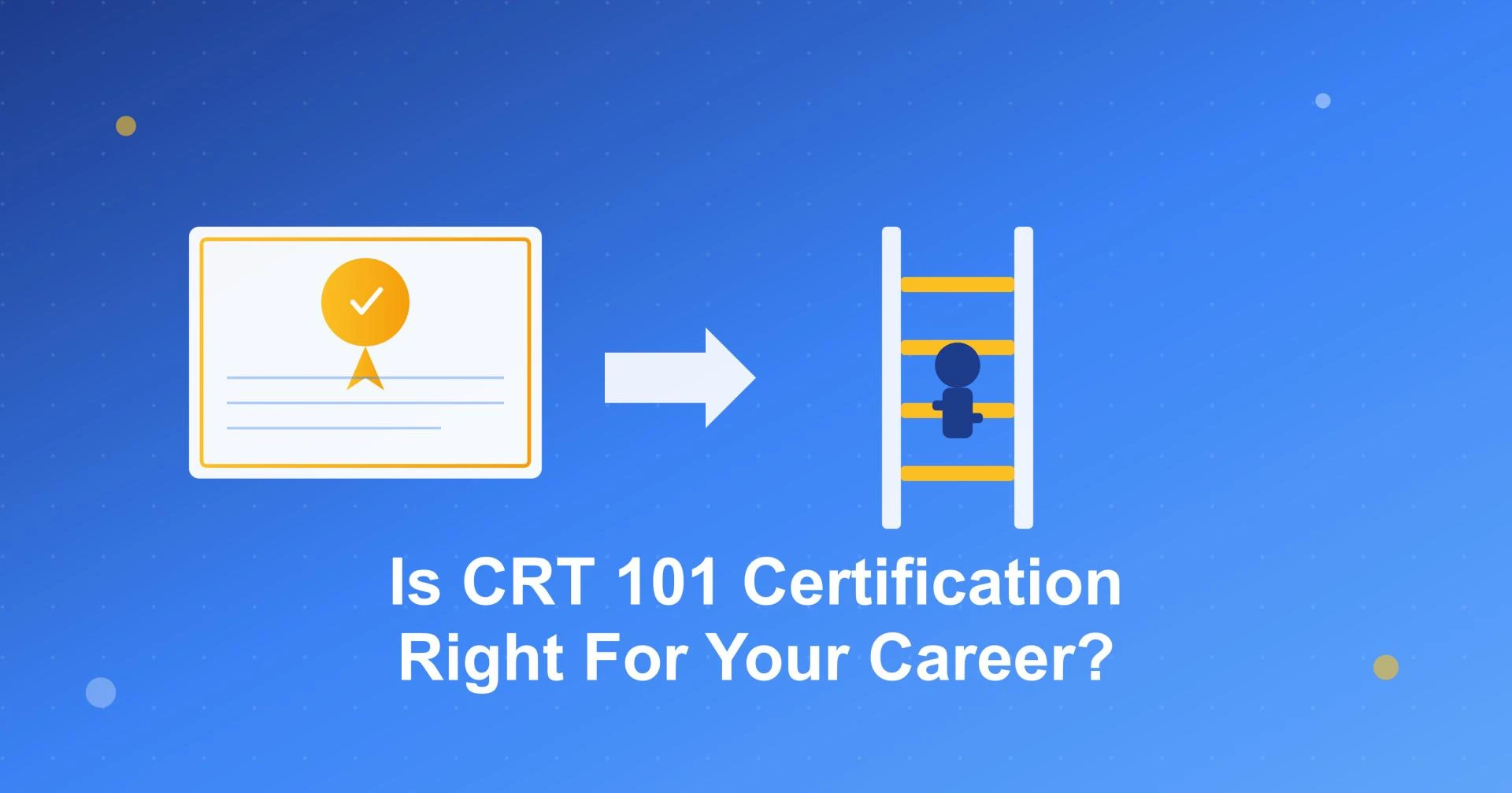
The world of customer relationship management continues to evolve, and professionals seeking to establish credibility in this domain often consider various credentials to boost their marketability. Among these options, the CRT 101 certification has emerged as a talking point for those looking to validate their foundational knowledge and skills.
But here's the million-dollar question: Is this certification actually worth your time and investment? Let's dive deep into what this credential offers and whether it aligns with your career aspirations.
Understanding the Fundamentals
The CRT 101 certification represents an entry-level credential designed for individuals who want to demonstrate their understanding of customer relationship management platforms and basic business processes. This certification typically covers essential concepts that form the building blocks of more advanced expertise in the field.
Unlike advanced certifications that require extensive hands-on experience, this particular credential focuses on theoretical knowledge and fundamental principles. It's positioned as a starting point for professionals who are either new to the industry or looking to formalize their existing knowledge through official recognition.
Who Should Consider This Credential?
Career changers represent one of the primary demographics who find value in pursuing this certification. If you're transitioning from a different industry and want to break into customer relationship management, having this credential on your resume can demonstrate commitment and foundational knowledge to potential employers.
Recent graduates also benefit significantly from this certification. When you're competing against hundreds of candidates with similar educational backgrounds, having specialized credentials can set you apart. The certification shows initiative and provides concrete evidence of your capabilities beyond classroom learning.
Current professionals working in adjacent roles might find this credential useful for lateral moves within their organizations. For instance, if you're in sales support or customer service and want to transition into CRM administration or business analysis, this certification can facilitate that shift.
The Real-World Benefits
Let's talk about tangible advantages. First and foremost, the certification provides structured learning. Even if you've been working with CRM systems informally, pursuing the CRT 101 certification forces you to fill knowledge gaps and understand concepts from a holistic perspective.
Networking opportunities shouldn't be overlooked either. When you join the community of certified professionals, you gain access to forums, user groups, and professional networks that can prove invaluable throughout your career journey. These connections often lead to job opportunities, mentorship relationships, and collaborative projects.
Salary implications vary depending on your current position and geographical location. While the certification alone won't guarantee a massive pay increase, it can strengthen your negotiating position during performance reviews or when applying for new positions. Some organizations specifically list this credential as a preferred or required qualification in their job postings.
Examining the Investment
Before committing, you need to understand what you're signing up for. The certification requires both time and financial investment. Study materials, training courses, and the examination fee itself all add up. Resources like Pass4Future offer preparation materials that can help streamline your study process and increase your chances of passing on the first attempt.
Time commitment typically ranges from 30 to 60 hours of focused study, depending on your existing knowledge base and learning pace. This means you'll need to carve out dedicated study time from your schedule, which might impact your work-life balance temporarily.
The examination itself tests your understanding through various question formats. Many candidates find practicing with salesforce certification exam questions particularly helpful for familiarizing themselves with the testing style and identifying areas where they need additional review.
Potential Drawbacks to Consider
Honesty matters when evaluating any professional credential. The CRT 101 certification isn't a magic bullet for career advancement. Some employers place minimal weight on entry-level certifications, preferring candidates with hands-on experience and proven results.
The rapidly changing technology landscape means that knowledge can become outdated relatively quickly. You'll need to commit to continuous learning and potentially pursue additional certifications to maintain relevance in your field. This certification should be viewed as a stepping stone rather than a destination.
Competition in the certification market has intensified significantly. More professionals are earning credentials than ever before, which can diminish the differentiating power of any single certification. You'll need to combine your credential with strong practical skills and demonstrable achievements to truly stand out.
Making Your Decision
Start by evaluating your current career stage and future goals. Are you looking to enter the field, advance within your current organization, or pivot to a new industry? Your answer should influence whether this certification makes sense for you right now.
Research job postings in your target market. Look for positions that appeal to you and note whether they mention this certification as required, preferred, or not mentioned at all. This market research provides valuable insights into the credential's real-world value in your specific context.
Consider your learning style and available resources. If you're someone who thrives with structured learning and can access quality preparation materials from providers like Pass4Future, you're more likely to succeed and derive value from the certification process.
Financial considerations matter too. Calculate the total cost including exam fees, study materials, and any time off work you might need. Compare this investment against the potential return in terms of job opportunities and salary improvements.
The Bottom Line
The CRT 101 certification can be a valuable asset for certain professionals at specific career stages. It's particularly beneficial for those entering the field, seeking to formalize their knowledge, or looking to demonstrate commitment to professional development.
However, this certification shouldn't be pursued in isolation. Combine it with practical experience, soft skills development, and networking efforts to maximize its impact on your career trajectory. The credential opens doors, but your skills, attitude, and continuous learning ultimately determine how far you'll go.
Take an honest inventory of your goals, resources, and market position before making your decision. For some, this certification represents an excellent investment; for others, different credentials or practical experience might offer better returns.