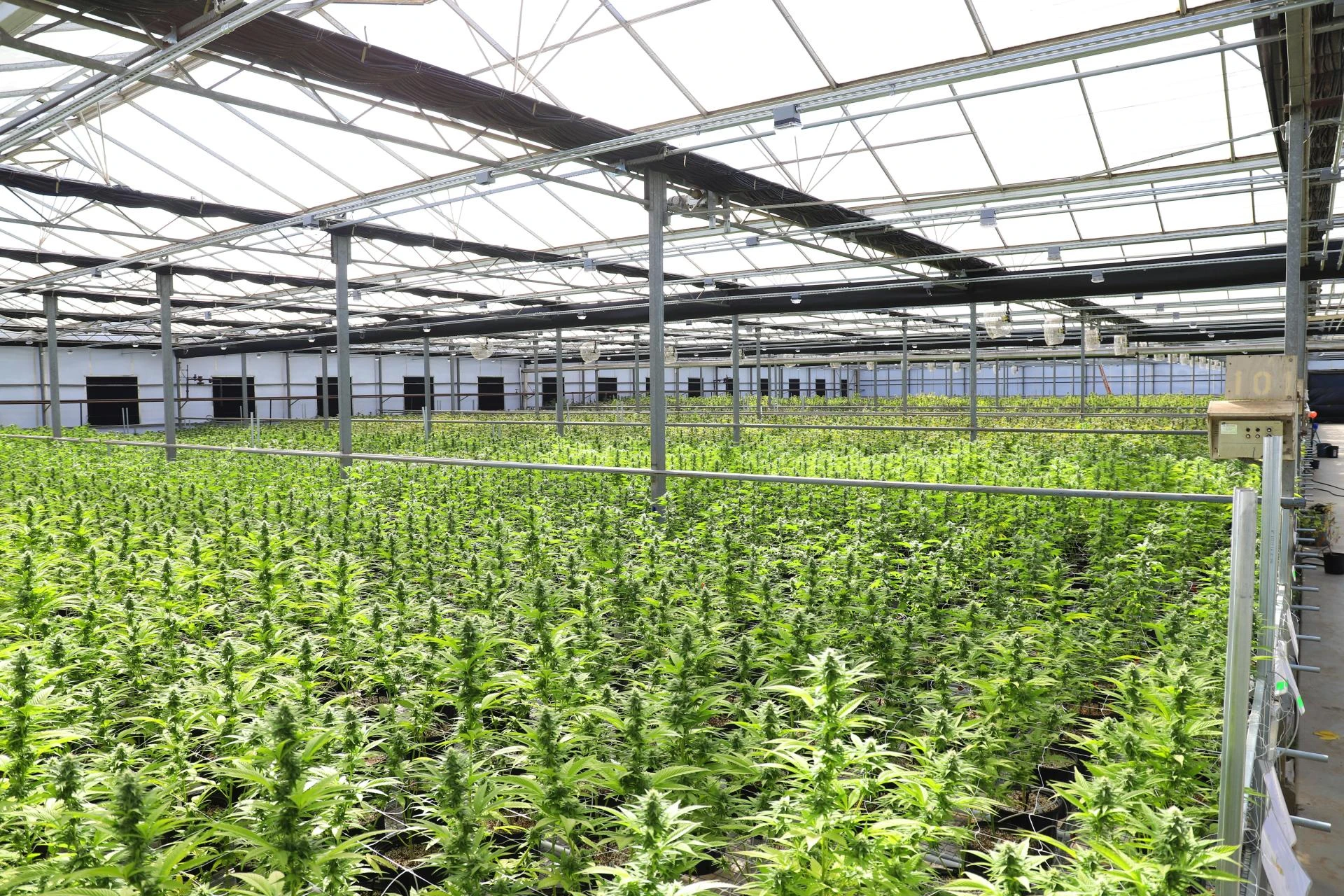
Greenhouse farming has long provided growers with the ability to extend growing seasons, protect crops from environmental fluctuations, and increase yields. However, even the best-designed greenhouses can't always rely solely on natural sunlight. Shorter winter days, cloudy weather and seasonal inconsistencies can limit the amount of light plants receive—impacting their health and productivity.
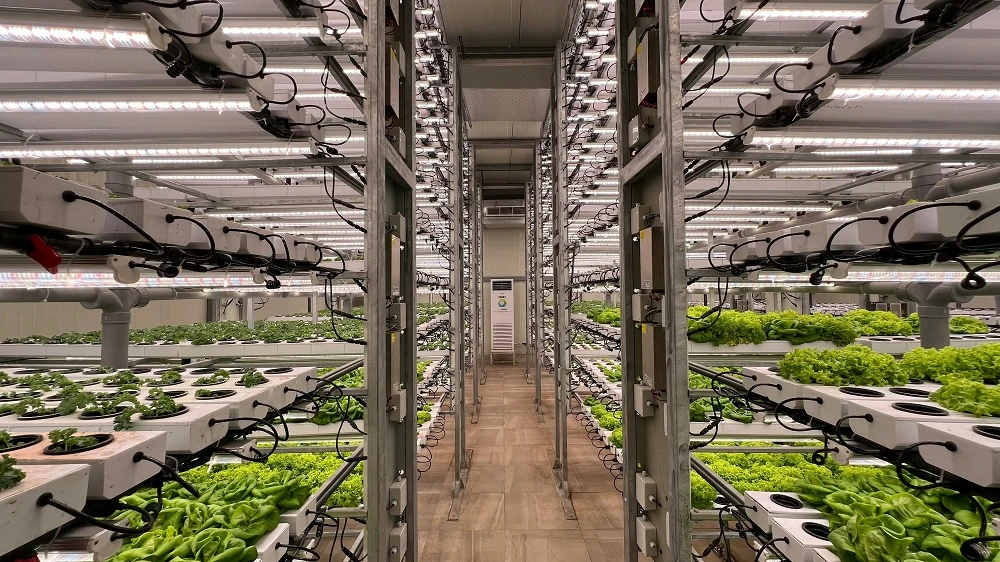
Indoor LED grow lights are helping greenhouse farmers overcome these limitations. Far beyond just a backup lighting solution, LED technology is transforming the way plants are cultivated in controlled environments. With improved efficiency, precise spectrum control and compatibility with smart systems, LED grow lights are redefining modern agriculture.
The Challenges of Traditional Greenhouse Farming
Traditional greenhouse setups have their advantages, but several challenges limit their performance:
- Limited Sunlight in Winter: Many crops require consistent light levels, but natural daylight varies throughout the year especially in northern regions.
- Weather Dependency: Cloud cover, storms and seasonal gloom can affect even the sunniest climates, leading to unpredictable growth conditions.
- Inefficient Alternative Lighting: High-pressure sodium (HPS) or fluorescent lighting systems consume high amounts of energy, generate excessive heat, and have shorter lifespans.
These factors can reduce yield consistency and increase operating costs.
What Makes LED Grow Lights Ideal for Greenhouses?
Indoor LED grow lights have become a popular choice among greenhouse farmers due to several compelling advantages:
Full Spectrum Light Output
LEDs can emit light across a full spectrum range, including blue, red, far-red and sometimes even UV light. This means they can be optimized for each stage of a plant's growth cycle from seedling to harvest.
Energy Efficiency
LED technology consumes less power compared to traditional lighting systems. Many high-quality LED units now exceed 2.0 µmol/J (micromoles per joule), meaning more light is converted from each watt of energy used.
Low Heat Emission
LEDs operate at cooler temperatures, reducing the need for extensive cooling systems and minimizing the risk of heat stress on plants.
Long Lifespan and Low Maintenance
Quality LED grow lights can last up to 50,000 hours or more, significantly reducing the need for replacements and lowering maintenance costs.
How LED Grow Lights Optimize Greenhouse Farming?
Indoor LED grow lights are not just substitutes for sunlight; they bring unique capabilities that elevate greenhouse performance in several ways:
1. Year-Round Cultivation
LEDs enable farmers to grow crops even when natural light is insufficient. This supports off-season production and helps stabilize supply chains.
2. Higher Crop Yields
Tailored light spectra and intensity lead to healthier, faster-growing plants. LEDs promote denser canopies, more flowers, and higher fruit yields.
3. Control Over Growth Stages
With adjustable light settings, growers can provide plants with exactly what they need at each stage of development. This level of precision supports optimal morphology and nutrient uptake.
4. Smart Farming Integration
Many LED systems integrate with digital controllers, sensors and timers. This enables data-driven farming with benefits such as:
- Automated on/off cycles
- Adjustable light intensity
- Remote control via smartphone or computer
- Integration with environmental sensors for real-time optimization
Tips for Choosing the Right Indoor LED Grow Lights for Greenhouses:
Not all LED grow lights are created equal. Here are several tips to help you make an informed choice:
1. Understand Your Plant’s Light Requirements
Every crop has different lighting needs. Research the optimal daily light integral (DLI) and photosynthetic photon flux density (PPFD) for your crops before selecting a light.
2. Look for Full-Spectrum Output
Choose lights that support both the vegetative and flowering stages with a complete spectrum that mirrors natural sunlight.
3. Choose Dimmable or Programmable Lights
Lights with dimming capabilities or timers allow you to control output levels and conserve energy during early growth phases.
4. Ensure Adequate Light Distribution
Bar-style or modular LEDs often provide more even light spread, which is essential for uniform crop growth across larger areas.
5. Check Build Quality and Durability
Ensure your lights have a strong build, heat dissipation features, and an IP rating (such as IP65) to withstand humid greenhouse environments.
Sustainability and Long-Term Benefits
Beyond productivity, LED grow lights contribute to more sustainable greenhouse practices:
- Energy Savings: LEDs use significantly less electricity, reducing utility costs and lowering carbon footprints.
- Lower Cooling Needs: Less heat means less strain on climate control systems, further decreasing energy use.
- Water Conservation: Reduced ambient heat minimizes evaporation, helping retain soil moisture and saving water.
- Fewer Chemicals: Healthier, more robust plants are more resistant to pests and diseases, decreasing the need for pesticides.
These factors combine to support eco-friendly growing operations while still meeting commercial production goals.
Conclusion
Indoor LED grow lights are ushering in a new era of greenhouse farming. From extending growing seasons to improving plant health and reducing energy costs, LEDs provide the tools growers need to maximize efficiency and yield in any environment. Whether you operate a large commercial greenhouse or a small-scale farming setup, transitioning to LED lighting can help future-proof your operation and align with both productivity and sustainability goals.
As LED technology continues to evolve, greenhouse growers will have even more powerful, customizable tools at their fingertips—ensuring that food and plant production remains consistent, profitable and environmentally responsible.