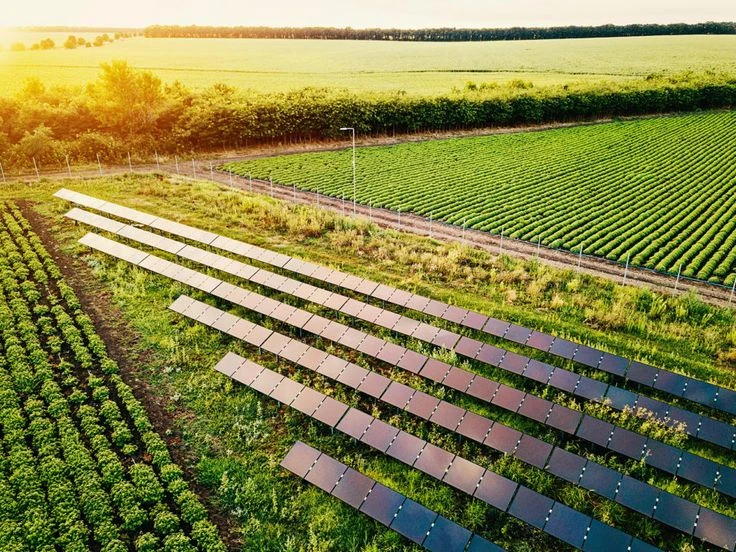
India’s agriculture sector stands at the intersection of tradition and transformation. While rooted in ancestral wisdom, today’s farming is rapidly evolving with technology, sustainability, and energy innovation at its core. In particular, solar power has emerged as a revolutionary force, lighting the path toward greener, more resilient farms. From solar water pumps to autonomous lighting systems, next-gen solar products are redefining how farmers cultivate, irrigate, and protect their crops.
Rising energy costs and irregular electricity supply—especially in remote villages—make solar—powered solutions not just convenient but necessary. With easy access through platforms like the Agribegri app, farmers can now adopt these innovations with greater confidence. The app connects them to dependable solar equipment and other quality inputs like seeds and crop protection products, empowering rural India with options once out of reach.
Paired with supportive policies like PM Kisan Yojana and insights from state-run tools like the Khedut app, these innovations can accelerate the shift toward sustainable farming—making it cleaner, cost-efficient, and more climate-resilient.
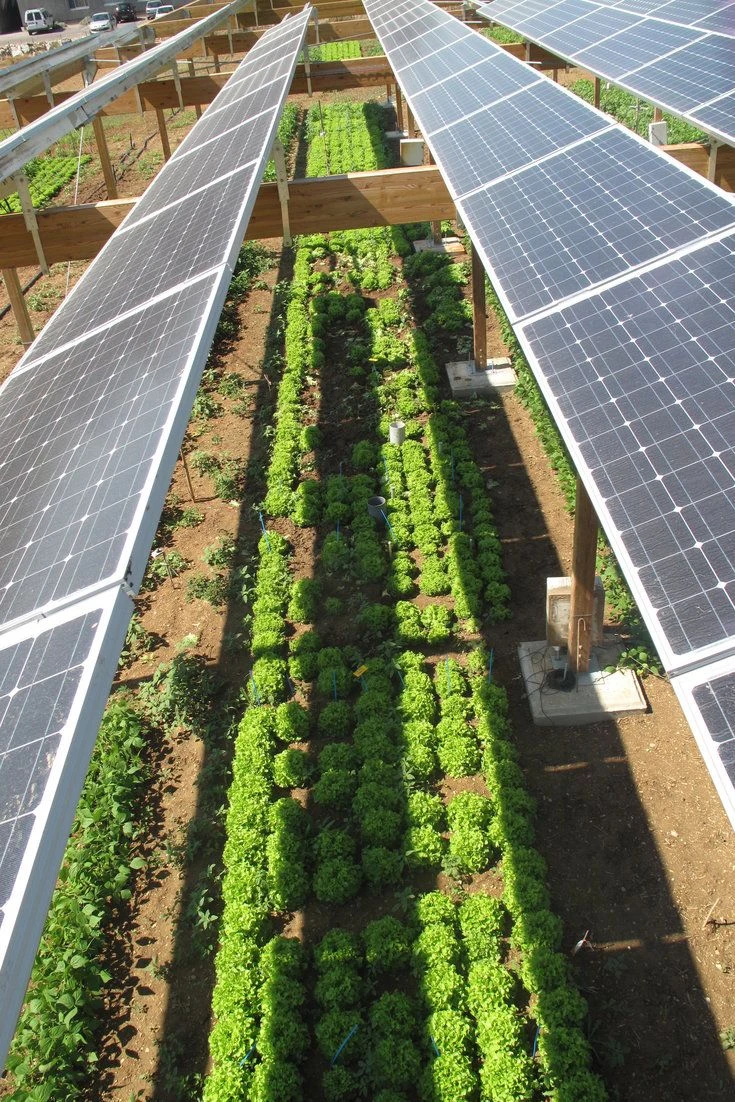
Why Solar Matters More Than Ever in Farming
The average Indian farmer still relies heavily on electricity from erratic grid connections or diesel generators, both of which come with recurring costs, unreliability, and environmental impact. In contrast, solar energy provides:
- Independence from fluctuating fuel prices and power outages.
- Significantly reduced operational costs over the long term.
According to recent government data, solar-powered smart irrigation systems have the potential to reduce diesel dependency by 45% in the next decade. Additionally, solar solutions align with India’s broader sustainability targets under the National Solar Mission, offering benefits beyond the field.
Powering Progress: Essential Solar Products for the Modern Farm
Solar technology has evolved well beyond panels for homes. Today's next-gen solar products are purpose-built for agricultural environments, offering durability, efficiency, and scalability. Below are some of the most transformative innovations currently reshaping Indian agriculture:
1. Solar Water Pumping Systems
- Where to use: Farms with borewells, tube wells, or surface water sources.
- How to Use: Solar panels power submersible or surface pumps, often integrated with smart controllers.
- Made Of: High-efficiency PV panels, inverter-less brushless DC motors, anti-rust frames.
- Benefits: Ideal for off-grid farms; drastically reduces electricity bills; low maintenance.
- Nonbenefits: Initial investment cost can be high; requires unshaded panel installation area.
These systems are game-changers in states like Maharashtra and Rajasthan, where water scarcity and power shortages are constant hurdles.
2. Solar-Powered Electric Fencing
- Where to Use: Perimeter fencing for crops, orchards, or livestock areas.
- How to Use: Converts solar energy into electric pulses to deter animals.
- Made Of: UV-resistant insulated wires, shock-generating controller, and sealed battery storage.
- Benefits: Prevents crop damage from wild animals; works continuously without human monitoring.
- Nonbenefits: Needs regular checks for vegetation touching wires; improper grounding can reduce effectiveness.
This product offers security and peace of mind for farmers dealing with frequent intrusions by wild boars or stray cattle.
3. Solar Cold Storage Units
- Where to Use: On-farm storage for fruits, vegetables, dairy, or seeds
- How to Use: Uses solar energy to run low-temperature cooling systems
- Made Of: Thermal-insulated chambers, lithium-ion battery backup, and compressor technology
- Benefits: Reduces post-harvest losses; enhances produce quality and market value
- Nonbenefits: Requires technical installation; limited storage capacity in mobile units
With an estimated 30% of India's fruits and vegetables going to waste post-harvest, this technology could be a silent revolution in rural income stability.
4. Solar Pest Trap Lights
- Where to use: Paddy, cotton, and vegetable farms
- How to Use: Installed over crop canopy; attracts insects using UV light and traps them in containers
- Made Of: Solar panels, LED lights, timer settings, and safe insect collection jars
- Benefits: Reduces chemical pesticide use; eco-friendly and easy to install
- Nonbenefits: Targets mainly flying insects; doesn't fully replace all pest control needs
This solution is rapidly gaining popularity in integrated pest management systems, promoting healthier crops and residue-free food.
“The farmer is the only man in our economy who buys everything at retail, sells everything at wholesale, and pays the freight both ways.” — John F. Kennedy
Combining Solar Power with Digital Agriculture
Solar technology thrives when combined with smart planning. Many modern farming apps help farmers track sunlight hours, plan irrigation schedules, and monitor pump health remotely. With GPS-enabled controls, farmers no longer need to travel miles to switch on water pumps—automation can handle it all.
Meanwhile, platforms like the Khedut app offer region-specific updates on solar subsidy schemes, while PM Kisan Yojana ensures financial assistance is available for those looking to invest in long-term, sustainable infrastructure like solar.
This ensures that farmers get not only the right tools but also the confidence to use them effectively.
Encouraging Results Across the Country
The tangible impact of solar products is already being seen:
- In Gujarat’s Anand district, small-scale farmers using solar-powered water pumps reduced their irrigation costs by over 65% within one season.
- In Tamil Nadu, solar fencing reduced crop losses due to wild animal attacks by up to 80% in targeted banana plantations.
- Solar cold rooms in Andhra Pradesh have extended the market window for mango farmers, improving average selling prices by 28%.
These numbers don’t just represent efficiency—they signify dignity, stability, and progress in rural lives.
Long-Term Benefits of Solar-Driven Agriculture
Going solar isn’t just about cutting energy bills—it’s about embracing a new way of farming that respects both the land and future generations. Solar products:
- Lower a farm’s carbon footprint, making it eligible for green incentives.
- Increase self-reliance, especially in remote or underserved areas.
- Extend farm functionality beyond daylight hours.
- Improve crop consistency through better irrigation control.
In a world facing unpredictable climate patterns, energy independence and environmental harmony are not luxuries—they’re necessities.
Let the Sun Power More Than Just Your Crops
Agriculture is no longer confined to seeds and soil—it now includes sensors, solar panels, and smart devices. By adopting next-gen solar products, farmers are not only feeding their communities but also becoming champions of sustainable innovation.
The future is illuminated—not by diesel fumes or electric surges, but by something more dependable: the sun. Its power is free, constant, and universal. All it needs is the right technology to harness it.
Whether you're just starting your journey toward energy independence or looking to upgrade your farm’s resilience, solar innovation offers solutions that are both ecological and economical.
Let sunlight fuel your ambition, drive your irrigation, and protect your harvests. It’s time to illuminate your agriculture for a greener today and an even brighter tomorrow.