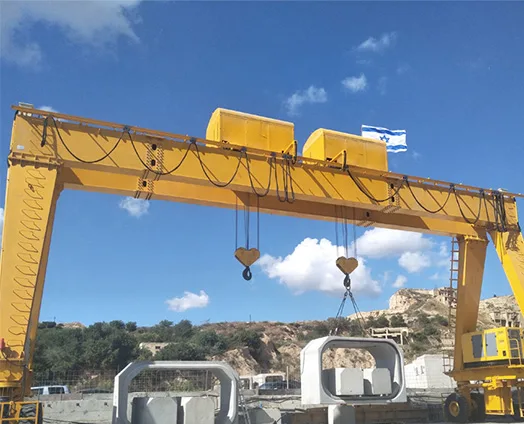
Efficient material handling is essential for maintaining smooth industrial operations. A workshop overhead crane plays a vital role in moving heavy loads quickly and accurately, reducing manual effort and improving workflow. Whether handling raw materials, machinery components, or finished products, a 5 ton single girder overhead crane can significantly enhance productivity while creating a safer working environment for employees.
The Importance of Efficient Material Handling
Material handling is one of the most critical aspects of any manufacturing or maintenance facility. When heavy items need to be transported across a workshop, relying solely on manual labor or conventional lifting equipment can slow down operations and increase safety risks.
Overhead lifting systems streamline these tasks by providing a reliable way to move loads from one location to another. This allows workers to focus on core production activities rather than spending excessive time on transporting materials.
How Overhead Cranes Increase Productivity
Faster Movement of Materials
One of the primary benefits of overhead cranes is their ability to move heavy loads quickly and efficiently. Traditional handling methods often require multiple workers and several pieces of equipment to complete a task.
With an overhead crane system, operators can transport materials across the workspace in a fraction of the time. Faster material movement reduces delays and helps maintain a consistent production flow.
Reduced Downtime
Production downtime can be costly for any business. Delays caused by inefficient material handling can interrupt workflows and reduce overall output.
Overhead cranes minimize downtime by ensuring that materials and equipment are available exactly where they are needed. This improves operational efficiency and supports continuous production processes.
Improved Workflow Organization
A well-organized workshop allows employees to perform their duties more effectively. Overhead cranes help maintain an orderly workspace by eliminating clutter caused by floor-based lifting equipment.
Since the lifting mechanism operates above the working area, floor space remains clear for personnel, machinery, and other essential operations. This contributes to a smoother and more productive workflow.
Enhanced Precision in Load Positioning
Accurate placement of materials is important in manufacturing and assembly operations. Overhead cranes provide operators with better control over load positioning, reducing the time spent making adjustments.
Precise handling helps improve efficiency while reducing the likelihood of product damage or rework, both of which can negatively affect productivity.
The Role of Overhead Cranes in Workplace Safety
Minimizing Manual Lifting Risks
Manual lifting of heavy materials is a leading cause of workplace injuries. Workers who repeatedly lift or move heavy objects may experience strains, sprains, and other musculoskeletal disorders.
Overhead cranes significantly reduce the need for manual handling by performing the heavy lifting tasks. This lowers the risk of employee injuries and promotes a safer work environment.
Reducing Accident Potential
Heavy materials can pose serious hazards when moved using improper methods. Dropped loads, collisions, and equipment instability can lead to accidents and costly damage.
Modern crane systems are designed with safety features that help ensure secure load handling. These systems provide operators with better visibility and control, reducing the likelihood of accidents during lifting operations.
Improved Workplace Ergonomics
Ergonomics plays a major role in employee health and productivity. Workers who perform physically demanding tasks for extended periods are more likely to experience fatigue and injuries.
By taking over repetitive lifting activities, overhead cranes help create a more ergonomic workplace. Employees can focus on skilled tasks that require less physical exertion, resulting in improved comfort and performance.
Better Load Stability
Maintaining load stability during transportation is essential for safe operations. Overhead cranes are designed to lift and move materials in a controlled manner, reducing swinging and sudden movements.
Stable load handling protects workers, equipment, and products while supporting safe operational practices throughout the facility.
Cost-Saving Advantages
Lower Labor Requirements
Because overhead cranes can handle heavy loads efficiently, fewer workers are needed for material transportation tasks. This allows businesses to allocate labor resources more effectively and improve overall productivity.
Reduced Product Damage
Improper handling can result in damaged materials, components, and finished goods. Such damage leads to additional costs and production delays.
Overhead cranes offer precise control over lifting operations, helping reduce the risk of accidental impacts and mishandling. This contributes to lower replacement and repair expenses.
Longer Equipment Lifespan
Using appropriate lifting equipment helps prevent excessive wear on other machinery and transportation tools. As a result, businesses may experience lower maintenance costs and extended equipment life.
Applications Across Various Industries
Manufacturing Facilities
Manufacturing environments frequently require the movement of raw materials, tools, and completed products. Overhead cranes support efficient production by ensuring materials are transported safely and quickly.
Maintenance Workshops
Maintenance operations often involve lifting large machinery parts and equipment. Overhead cranes provide the lifting capacity needed to perform repairs safely and efficiently.
Fabrication Shops
Fabrication processes require the handling of metal sheets, structural components, and finished assemblies. Overhead cranes help maintain workflow efficiency while reducing handling risks.
Warehousing Operations
Warehouses benefit from overhead lifting systems when managing bulky or heavy inventory. Efficient load movement supports faster storage and retrieval processes.
Best Practices for Safe Crane Operation
Regular Equipment Inspections
Routine inspections help identify potential issues before they become serious problems. Checking critical components ensures reliable and safe crane performance.
Proper Operator Training
Well-trained operators are essential for maintaining workplace safety. Employees should understand proper lifting procedures, load limits, and emergency protocols.
Following Load Capacity Guidelines
Every crane system has a specified lifting capacity. Operators should always follow manufacturer recommendations and avoid overloading equipment.
Maintaining Clear Communication
Effective communication between operators and ground personnel helps prevent misunderstandings during lifting operations. Clear signals and established procedures contribute to safer working conditions.
Conclusion
Investing in efficient lifting solutions can transform workshop operations by improving productivity, reducing downtime, and enhancing workplace safety. A workshop overhead crane enables faster material handling, better load control, and a safer environment for employees. For facilities seeking reliable lifting performance and operational efficiency, a 5 ton single girder overhead crane offers an effective solution that supports both productivity goals and long-term workplace safety.