Living with diabetes means managing a daily routine that revolves around precision, consistency, and essential gear. Over time, changes in health plans, prescription updates, or adjustments to testing routines often lead to a surplus of unopened blood glucose test strips, continuous glucose monitors, or lancets sitting unused in a cabinet. Instead of letting these sealed, unexpired items go to waste, many people look for practical ways to offset their healthcare expenses by transforming surplus inventory into liquid assets.
Understanding the Value of Surplus Diabetes Care Items
Unopened diabetes supplies represent a significant financial investment. When prescriptions change or a physician updates a management plan, unused boxes of test strips often accumulate quickly. Because high quality testing equipment remains in high demand, these supplies maintain real value as long as they are unexpired and sealed in their original packaging.
Understanding how to evaluate your excess inventory is the first step toward recovering a portion of your initial expenditure. Unopened boxes that have been stored in a cool, dry place away from direct sunlight retain their safety standards and physical integrity. By conducting a quick inventory check, you can identify which items are eligible for trade or sale, ensuring that viable resources do not sit forgotten past their expiration dates.
How to Safely Inventory and Prepare Your Supplies
Before pursuing secondary avenues, standard safety and privacy checks must be completed. First, examine every box to verify that the factory seals remain completely intact. Secondary markets require pristine packaging to guarantee that items have not been tampered with and will deliver accurate readings.
Next, protect your personal information. If your supplies arrived with pharmacy labels containing your name, address, or prescription numbers, gently remove them or obscure the personal details using a marker. Take care not to damage the underlying barcode or outer box design, as intact packaging preserves the marketability of the items. Once your inventory is sorted by brand, expiration date, and box condition, you can explore options to turn extra diabetic supplies into cash safely and efficiently.
Navigating Secondary Markets and Buyback Services
Finding reliable outlets for surplus items requires an understanding of how buyback channels operate. Dedicated resale platforms and specialized buyback programs evaluate unused inventory based on brand demand, expiration windows, and packaging quality. Choosing a reputable buyer ensures a seamless transaction process while providing a dependable way to reclaim money tied up in unused healthcare tools.
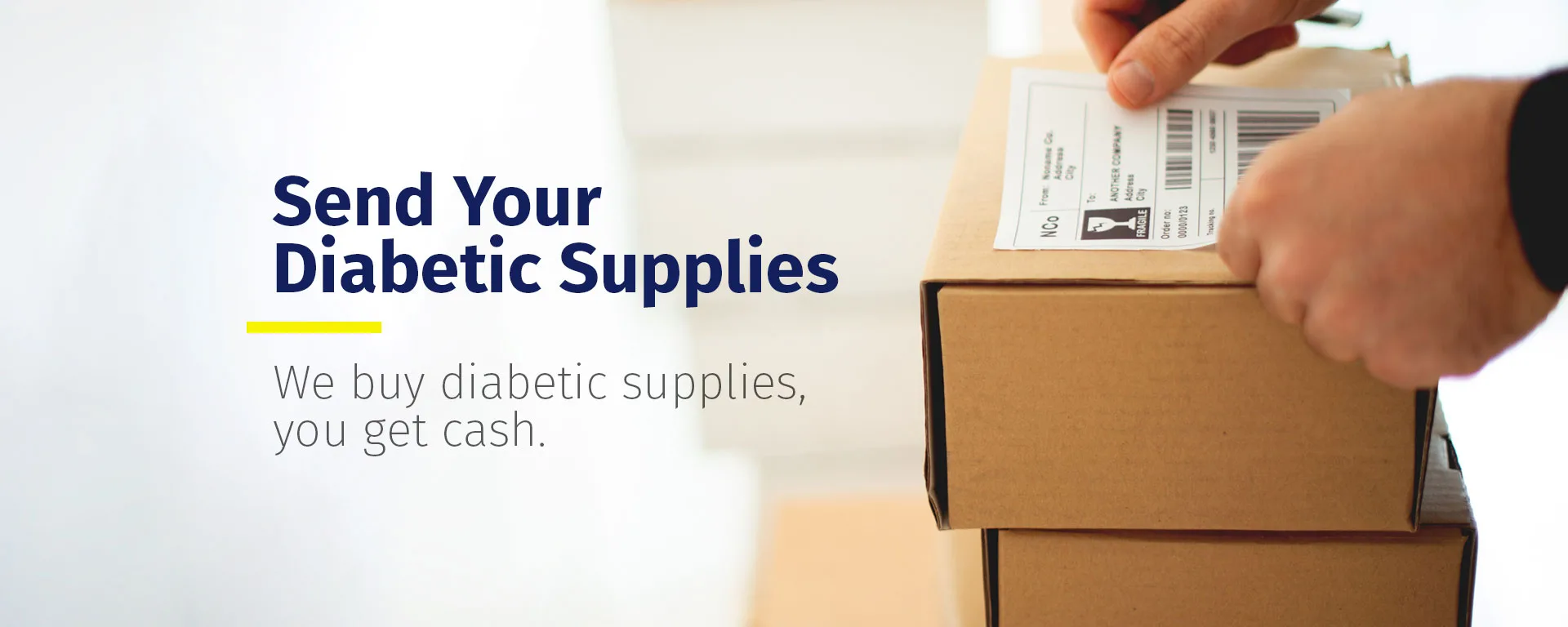
Working with a trusted diabetic supplies buy back service simplifies the process, as established companies provide upfront quotes, prepaid shipping labels, and clear instructions for sending items. This structured evaluation system ensures that items are assessed fairly according to standard industry metrics. Utilizing these organized services allows individuals to clear out unnecessary clutter while directing their unused equipment toward secondary distribution networks where it can be put to good use.
Financial Management and Wise Resource Allocation
Reclaiming money from extra medical inventory is a smart financial strategy for managing recurring healthcare spending. The proceeds generated from clearing out unused testing materials can be directly allocated toward upcoming co-pays, new medical devices, or general household budgets.
Adopting a habit of checking expiration dates every few months prevents items from sitting until they lose utility. Establishing a routine around inventory management ensures that any shift in your health routine or prescription model turns into an opportunity to optimize your overall budget rather than incurring lost value. By keeping supplies organized and taking action promptly, managing diabetes care remains both efficient and fiscally responsible.