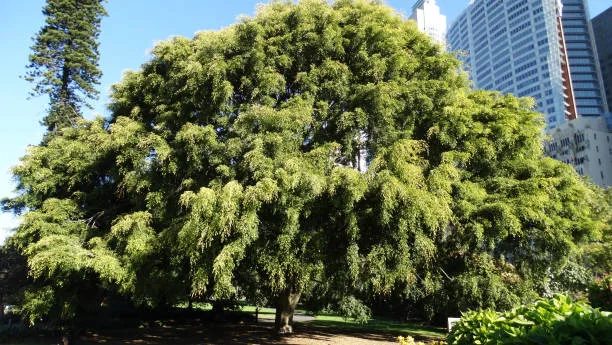
Weeping Elm trees are admired for their graceful cascading branches, broad canopy, and ability to create stunning shade in parks, streetscapes, and private gardens. Their elegant appearance makes them one of the most desirable ornamental trees across Australia. However, these beautiful weeping elm trees can be threatened by one of the most destructive diseases affecting elm species worldwide—Dutch Elm Disease (DED).
If detected early, there are effective management strategies that can improve the chances of saving infected trees and preventing the disease from spreading.
What is Dutch Elm Disease?
Dutch Elm Disease is a fungal disease caused primarily by Ophiostoma novo-ulmi and Ophiostoma ulmi. The fungus spreads through elm bark beetles and by root grafts between neighbouring elm trees.
Once inside the tree, the fungus blocks the water-conducting vessels (xylem), restricting moisture and nutrients from reaching the canopy. Without prompt treatment, infected weeping elm trees may decline rapidly and eventually die.
Why Are Weeping Elm Trees Vulnerable?
Although some elm cultivars have improved resistance, traditional Weeping Elm varieties remain susceptible to Dutch Elm Disease.
Factors increasing vulnerability include:
- Mature tree age
- Drought stress
- Poor soil conditions
- Mechanical injuries
- Improper pruning practices
- Nearby infected elm populations
Healthy trees naturally resist disease better than stressed specimens.
Early Signs of Dutch Elm Disease
Early diagnosis is critical. Watch for these common symptoms in your Weeping Elm:
1. Sudden Wilting
Individual branches begin wilting even though the rest of the tree appears healthy.
2. Yellowing Leaves
Leaves turn pale green before becoming yellow.
3. Brown, Curling Foliage
Affected leaves curl inward and eventually become brown while remaining attached to branches.
4. Branch Dieback
The disease gradually spreads from one branch throughout the canopy.
5. Brown Streaking
Cutting into infected branches often reveals dark brown streaks beneath the bark.
6. Premature Leaf Drop
Leaves may fall during spring or summer instead of autumn.
How Dutch Elm Disease Spreads
Understanding disease transmission helps prevent future outbreaks.
Elm Bark Beetles
Adult beetles carry fungal spores from infected trees to healthy weeping elm trees during feeding.
Root Grafts
Neighbouring elm roots often connect underground, allowing the fungus to spread directly between trees.
Contaminated Equipment
Pruning tools that haven't been disinfected can transfer fungal spores from infected trees.
How to Treat Dutch Elm Disease in Weeping Elms
Treatment success depends largely on how early the infection is detected.
1. Confirm the Diagnosis
Many tree disorders resemble Dutch Elm Disease.
A qualified arborist should:
- Inspect symptoms
- Collect branch samples
- Conduct laboratory testing if required
Correct identification ensures appropriate treatment.
2. Prune Infected Branches
If infection is limited to a few branches, pruning may prevent further spread.
Proper pruning involves:
- Removing infected limbs at least 2–3 metres below visible symptoms
- Disinfecting pruning equipment after every cut
- Properly disposing of infected wood
Never store infected elm firewood, as beetles may continue breeding inside.
3. Fungicide Injection
For valuable or heritage Weeping Elm trees, systemic fungicide injections may provide protection.
Professional arborists inject fungicides directly into the trunk, allowing treatment to move through the vascular system.
Benefits include:
- Protecting healthy tissue
- Slowing disease progression
- Preventing new infections
Preventative injections are often recommended for healthy trees located near infected elms.
4. Interrupt Root Grafts
If multiple elm trees grow nearby, root graft disruption may stop underground disease transmission.
Special trenching equipment severs interconnected roots before removing infected trees.
This practice significantly reduces the risk of disease spreading throughout entire elm populations.
5. Remove Severely Infected Trees
Unfortunately, trees with advanced infections usually cannot be saved.
Complete removal helps:
- Eliminate beetle breeding sites
- Protect nearby weeping elm trees
- Reduce future fungal spread
Tree stumps should also be removed or treated appropriately.
Preventing Dutch Elm Disease
Prevention remains the most effective management strategy.
Schedule Regular Inspections
Professional inspections help detect disease before symptoms become widespread.
Annual assessments are particularly valuable during spring and summer.
Prune at the Right Time
Avoid pruning during peak beetle activity.
Winter pruning generally carries the lowest infection risk because beetle populations are inactive.
Maintain Tree Health
Healthy Weeping Elm trees naturally tolerate stress better.
Maintain tree vigour by:
- Deep watering during dry periods
- Applying organic mulch
- Improving soil quality
- Avoiding trunk injuries
- Monitoring for insect pests
Sanitize Equipment
Always disinfect:
- Pruning saws
- Chainsaws
- Loppers
- Hand pruners
Cleaning tools after every cut helps prevent fungal transmission.
Monitor Nearby Elm Trees
Neighbouring infected trees increase your own tree's risk.
Prompt removal of diseased elms helps protect the wider landscape.
Can a Weeping Elm Recover?
Recovery depends on several factors:
- Early detection
- Extent of infection
- Tree age
- Overall health
- Speed of treatment
Trees treated during the earliest stages often survive for many years with ongoing monitoring.
However, advanced infections affecting the trunk or major scaffold branches usually have a poor prognosis.
Should You Call an Arborist?
Dutch Elm Disease is not a typical garden pest issue.
Professional arborists have the expertise to:
- Accurately diagnose disease
- Perform safe pruning
- Administer fungicide injections
- Assess structural stability
- Recommend removal when necessary
Early intervention greatly improves the likelihood of preserving valuable weeping elm trees.
Frequently Asked Questions
Can Dutch Elm Disease spread to other tree species?
No. Dutch Elm Disease primarily affects elm species and does not spread to unrelated trees.
Can I treat Dutch Elm Disease myself?
Basic pruning may be possible for small branches, but diagnosis, fungicide treatment, and advanced management should always be performed by a qualified arborist.
How quickly does Dutch Elm Disease spread?
Symptoms may develop over several weeks or progress across the entire tree within one growing season, depending on environmental conditions and the severity of infection.
Are all Weeping Elm trees equally susceptible?
No. Some cultivars have greater resistance than others, although no traditional Weeping Elm is completely immune.
Can healthy weeping elm trees be protected?
Yes. Preventative fungicide injections, routine inspections, proper pruning, and maintaining tree health significantly reduce infection risk.
Final Thoughts
The elegant beauty of a Weeping Elm makes it a valuable feature in any landscape, but Dutch Elm Disease remains a serious threat that requires immediate attention. Learning to recognise early symptoms, adopting preventative care, and seeking professional treatment can dramatically improve the survival chances of your weeping elm trees.
Whether you manage a single ornamental tree or multiple mature elms, proactive monitoring and expert arboricultural care remain the best defence against this devastating disease. With early detection and appropriate treatment, many Weeping Elm trees can continue providing beauty, shade, and character for generations to come.