Heritage palace photography in Bharatpur is most rewarding when the camera helps you notice the setting rather than rush through it. Architectural details, changing light and everyday moments can all make meaningful photographs, but a hotel is also a place where other guests expect privacy. At Mahal Khas Palace, travellers can enjoy photographing their own stay while checking in advance which areas are open to photography and respecting the comfort of other visitors.
What makes a palace photograph feel thoughtful?
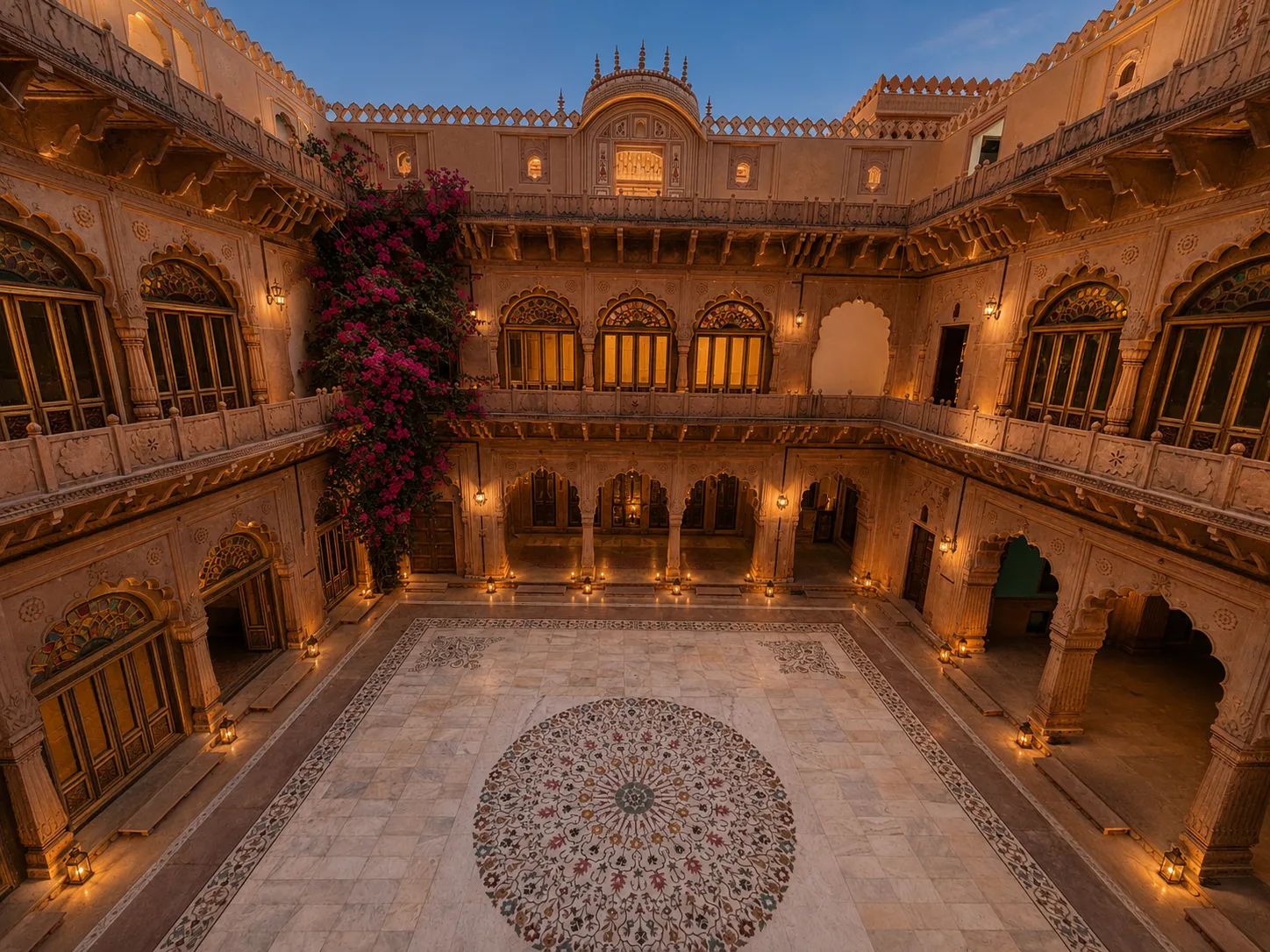
A strong photograph does not always need a wide view of an entire building. It may show a repeated pattern, a doorway framed by light, a quiet corner or the way a courtyard changes through the day. Taking time to observe helps photographers notice details they might miss while moving quickly from one picture spot to another.
Start by walking through the areas available to you without photographing everything immediately. Look at how the light falls in the morning and afternoon. Notice repeated lines, textures and shadows. A single composition can communicate more than several hurried images if it shows the relationship between an architectural detail and the space around it.
A heritage palace photography stay in Bharatpur can be a chance to slow down and make a small visual story. You might photograph the arrival, a detail in the room, a meal with permission and one or two views of the surrounding setting. The sequence gives the pictures a sense of place without turning the whole stay into a photo assignment.
How should photographers handle privacy?
Hotels are shared spaces. Guests may be walking through corridors, sitting in common areas or spending time with family. Before taking a photograph that includes another person, ask for permission. If the person is a child, ask their parent or guardian. If someone declines, respect the answer without taking the picture from another angle.
It is also considerate to avoid photographing people in private or sensitive moments. A guest may not want to appear in a photograph even if they are in a public part of the property. Check the background before pressing the shutter, especially when photographing entrances, dining spaces or gathering areas.
If you want to take a palace stay photography tour in Bharatpur, first ask the hotel which spaces are available for photography and whether any restrictions apply. Do not assume that a closed room, staff-only area or event space is open for pictures. If you are photographing a wedding or private gathering, get approval from the organiser and the people shown in the photographs.
Why does timing matter more than taking many pictures?
Natural light changes throughout the day. A room that feels bright in the morning may look very different in the afternoon, while an outdoor area can shift from direct sunlight to softer shade. Instead of repeatedly returning to the same spot, choose a few times that suit your subject and enjoy the rest of the stay without the camera.
Photographers can also plan around other guests. Early morning may be quieter in common areas, but the hotel’s rules and operating schedule should still guide where you can go. Avoid using flash where it may disturb others or affect the atmosphere. If equipment such as a tripod is involved, ask whether it can be used in the selected space.
A thoughtful schedule might include a brief architecture walk, a few personal portraits and time for ordinary activities. This makes it easier to enjoy the hotel as a guest. If the pictures are intended for commercial use, publication or a brand account, contact the property for permission before the shoot.
How can visitors photograph architecture respectfully?
Historic buildings should be approached with care. Do not touch, move or climb on architectural elements to create a photograph. Avoid leaning equipment against fragile surfaces or placing items where they could block a doorway. If a sign asks visitors not to enter or touch an area, follow it even when the view would make a striking image.
Use perspective and composition rather than physical access to make a picture more interesting. A doorway can frame a view, a repeated pattern can create rhythm and a detail can suggest the larger structure without requiring a wide shot. This approach helps photographers make distinctive images while respecting the space.
A heritage hotel for photographers in Bharatpur should be treated as both accommodation and a shared environment. Keep walkways clear, avoid monopolising a popular area and give other guests space to pass. If staff ask you to pause or move, do so promptly. Their guidance may relate to guest privacy, safety or the operation of the property.
What equipment should a visitor bring?
For casual travel photography, a phone or lightweight camera may be enough. A small kit is often easier to carry through a stay than a large collection of equipment. Bring the lens or device you are comfortable using, a charger, spare battery and enough storage for the images you expect to take. Keep equipment secure when you are not using it.
If you plan to use a tripod, lighting stand, drone or other specialised equipment, ask the hotel about permission and restrictions well before arrival. Do not assume that a device allowed in a public outdoor area is allowed throughout the property. Drone use may be subject to local regulations and property rules, so it requires separate confirmation.
Photographers should also consider how they will protect their equipment from dust, heat or rain during travel. A simple bag or cover can help. If you are taking pictures during a meal or event, secure the equipment so it does not create a tripping hazard for guests or staff.
How can couples or families include people naturally?
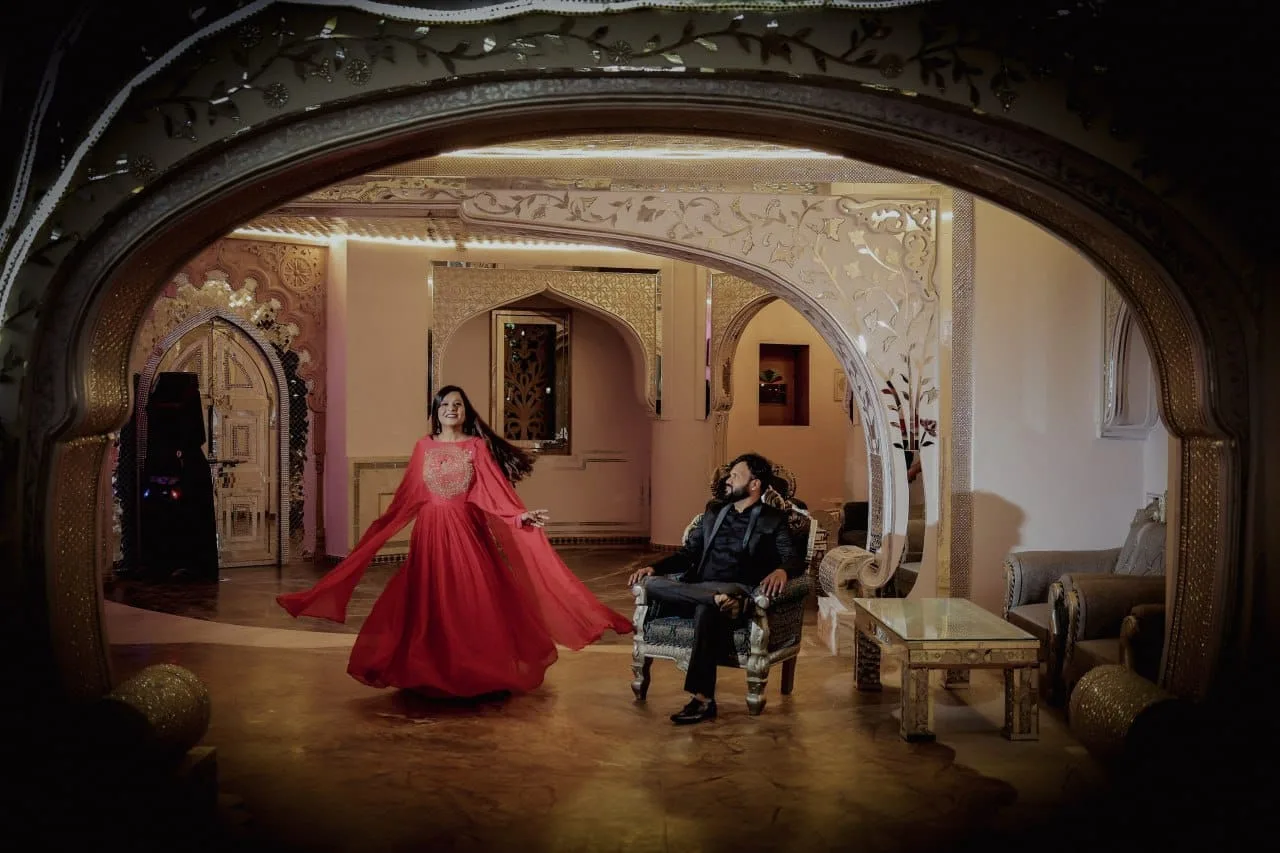
Portraits often feel more personal when people are comfortable. Instead of asking relatives to hold the same pose for a long time, choose a few simple prompts: walk together, share a conversation or look at an object that has meaning to the family. These moments can create natural expressions without turning the session into a performance.
Before photographing relatives, tell them what you have in mind and how long it may take. This is especially helpful for older guests and children. If a family member is tired, allow them to rest. The photographs should support the experience, not take it over.
When photographing a group, choose a location that is safe and does not block other guests. Make sure everyone can stand or sit comfortably. A clear, short list of essential group photographs can help the session stay organised and leave more time for the celebration or visit.
How should images be stored and shared?
Back up important images during the trip if possible. Keep a copy on a separate device or secure cloud account, and avoid deleting originals until you have checked that the backup is complete. If several people are taking photographs, agree how files will be shared and labelled so images are easier to find later.
Before posting photographs online, consider who appears in them. Ask permission from people who are clearly identifiable, especially if the image is public or promotional. Avoid sharing room numbers, booking details or other private information visible in the background. A beautiful photograph should not reveal information that could affect someone’s privacy.
If you are sharing pictures of the property, use accurate captions. Do not claim that a room or location is open to all visitors if you have not confirmed it. If the image is sponsored or commercial, follow the relevant disclosure requirements and the property’s permission terms.
How can photography deepen the visit?
A camera can encourage visitors to notice a place more carefully. Looking for patterns, light and everyday details can make a short walk feel more attentive. The best images often come from curiosity: why a doorway is shaped a certain way, how a courtyard changes at different hours or which details connect one area to another.
At the same time, a photograph is only one way to remember a stay. Put the camera away during meals, conversations and moments that feel important to experience directly. You can return to photography later, but some interactions are best remembered by being present.
A respectful picture tells a fuller story
A thoughtful photo collection balances the building, the people and the experience. It shows what drew you to Bharatpur while respecting the fact that others are also visiting, staying and working there. By asking before photographing, following property guidance and choosing a manageable kit, visitors can make photographs that feel personal without disrupting the stay.