While free sanitizer handles active disinfection, tracking spent compounds is equally vital for complete water management. Understanding how to evaluate combined sanitizer levels helps maintain water quality and prevents unpleasant sensory issues.
Understanding the Difference Between Free and Combined Sanitizers
Sanitizer in a pool exists in multiple forms, starting with the active agent ready to neutralize incoming organic contaminants immediately. Once these active molecules bind with sweat, body oils, and environmental waste, they transform into spent compounds. These bonded compounds lose their disinfecting power and create strong chemical odors if allowed to accumulate unchecked.
Differentiating between active and spent sanitizer is essential for diagnosing water health and determining whether shock treatments are necessary. Routine monitoring ensures you catch chemical imbalances before they cause skin irritation or cloudy water. Proper water care relies heavily on keeping these separate metrics clearly defined.
- Active sanitizer destroys bacteria and organic waste upon immediate contact.
- Spent compounds form when active sanitizers bind with organic pollutants.
- Monitoring both forms ensures a balanced and odor-free aquatic environment.
The Importance of Measuring Chloramines Accurately
Combined sanitizers, often referred to as chloramines, are responsible for the pungent chemical smell commonly associated with poorly managed water. When chloramine levels climb too high, swimmers often experience eye redness and skin discomfort despite the presence of sanitizer. Accurately tracking these spent compounds tells you exactly when breakpoint oxidation is required.
Without precise measurements, pool owners might add unnecessary chemicals or misjudge the actual sanitation capacity of the water. Regular evaluation of bonded sanitizer fractions keeps your maintenance routine targeted and efficient. Precision prevents guesswork and protects the overall health of your swimming environment.
- High chloramine concentrations cause unpleasant chemical odors and physical irritation.
- Accurate tracking identifies the exact moment breakpoint oxidation is needed.
- Precise measurements eliminate unnecessary chemical applications and guesswork.
Preparing Your Equipment and Gathering Reagents
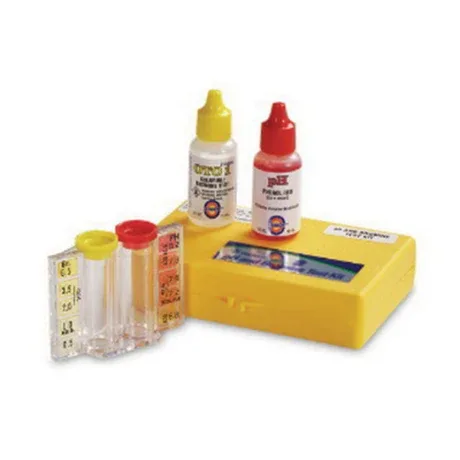
Before beginning any water evaluation, gathering all necessary analytical accessories ensures the process runs smoothly and without interruption. Traditional color-matching drop systems rely on specific chemical reagents to isolate free and combined sanitizer fractions. Ensuring your comparator block and reagents are clean and unexpired guarantees dependable results.
Taking a fresh water sample from elbow depth away from return jets provides a representative snapshot of the basin. Thorough preparation prevents contamination and ensures every step of the testing procedure yields accurate data. Clean tools are the foundation of successful water chemistry management.
- Gather all required testing reagents and clean comparator equipment before starting.
- Collect water samples from elbow depth away from active return jets.
- Proper preparation eliminates contamination and ensures reliable analytical outcomes.
Performing the Initial Free Sanitizer Check
The first phase of the evaluation involves measuring the active sanitizer fraction currently operating within the water column. Adding specific indicator drops to your water sample produces a distinct color change that corresponds to a numerical scale. Recording this initial active sanitizer measurement provides the baseline for subsequent calculations.
It is crucial to read the color reaction immediately after mixing the reagents to avoid fading or solar interference. This first number represents the sanitizing power actively protecting your backyard pool at that exact moment. Accurate baseline records make calculating spent compounds straightforward and precise.
- Add specific indicator drops to the water sample to measure active sanitizer.
- Record the initial colorimetric result immediately to capture true baseline values.
- Active sanitizer metrics dictate the starting point for chloramine calculations.
Isolating and Measuring Total Chlorine Levels
After recording the initial active reading, the next step involves adding a secondary reagent to reveal total sanitizer parameters. This second chemical addition unlocks the bonded compounds, causing the water sample to change color once again. Comparing this new deeper hue against your comparator scale provides the total sanitizer reading.
Subtracting your first active sanitizer measurement from this new total value yields the exact concentration of combined compounds. If this resulting mathematical difference exceeds recommended thresholds, corrective shock treatment is required. Mastering this calculation gives you complete control over your water chemistry.
- Add secondary reagents to the existing sample to reveal total sanitizer metrics.
- Compare the resulting color shift against the scale to find total concentration.
- Subtract the active reading from the total to determine chloramine levels.
Cross-Checking Results With Alternative Testing Tools
While drop-based methods offer exceptional analytical precision, utilizing backup diagnostic tools helps verify your overall water balance. For rapid daily checks, many owners rely on a standard pool chlorine test kit or alternative diagnostic formats for quick reference. However, complex multi-step evaluations like chloramine tracking usually demand precise liquid reagents.
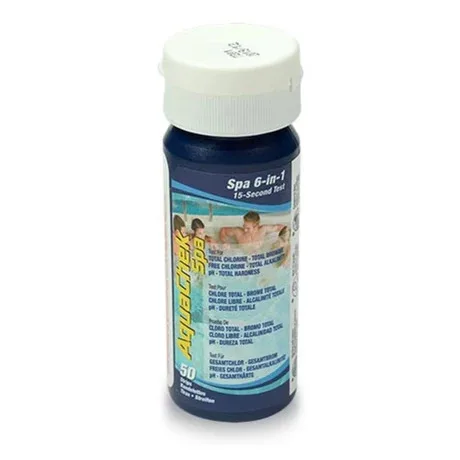
Cross-referencing your drop test results with a quick dip from a pack of pool chlorine test strips can help confirm general sanitizer presence. Diversifying your monitoring approach ensures you never have to rely on a single compromised diagnostic tool. Comprehensive testing guarantees complete peace of mind.
- Drop-based methods provide the precise mathematical data needed for chloramine calculations.
- Quick diagnostic options offer rapid confirmation of general sanitizer presence.
- Diverse testing tools enhance confidence in your routine water management.
Professional Guidance and Quality Maintenance Support
Successfully managing backyard water chemistry requires ongoing education, careful observation, and access to dependable maintenance accessories. When facing persistent water quality challenges, utilizing reliable diagnostic tools is paramount for long-term success. For expert advice and premium chemical balancing inventory, trusted industry leaders like Ever-Klear Pool Supply offer exceptional support.
Adhering to structured maintenance protocols safeguards your investment and guarantees a pristine swimming environment all season long. By mastering the measurement of combined sanitizers, you can maintain crystal-clear water with complete confidence. Enjoying a safe and inviting aquatic oasis starts with informed water management practices.
- Professional guidance ensures optimal care for all backyard water maintenance tools.
- Premium chemical inventory guarantees effective balancing and reliable upkeep.
- Proper maintenance protocols safeguard your backyard investment and water clarity.
Frequently Asked Questions
What is an acceptable level of combined chlorine in a pool?
Combined chlorine levels should ideally remain below 0.5 parts per million. If your test calculations show levels exceeding this threshold, it is time to shock the pool to break down the chloramines.
Why do chloramines cause a strong chemical smell instead of free chlorine?
Chloramines are spent compounds formed when active sanitizer binds with organic waste. Contrary to popular belief, a strong chemical odor indicates a lack of free chlorine and a buildup of chloramines, not too much chlorine.
How often should I test for combined chlorine?
While you should test for free sanitizer and pH multiple times a week, testing for combined chlorine is typically recommended once a week or immediately after heavy bather loads, storms, or algae outbreaks.