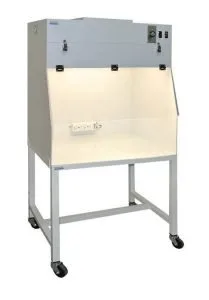
A portable laminar flow hood plays a critical role in maintaining a clean, particle-controlled workspace for laboratory research, medical device assembly, electronics manufacturing, pharmaceutical preparation, and other precision applications. However, even the most advanced equipment cannot deliver consistent protection if airflow is compromised. To achieve reliable performance, you need to understand how proper setup, maintenance, and work practices influence airflow inside the hood.
By following proven airflow optimization strategies, you can improve contamination control, protect sensitive materials, and extend the lifespan of your equipment.
Why Airflow Matters in a Portable Laminar Flow Hood
A portable laminar flow hood creates a continuous stream of HEPA-filtered air that moves in a uniform direction across the work surface. This controlled airflow removes airborne particles before they reach your products or samples.
When airflow becomes blocked, uneven, or turbulent, contaminants can settle onto critical materials, increasing the risk of product defects, failed experiments, and costly rework. Maximizing airflow ensures your controlled environment performs as intended throughout every operation.
Position Your Portable Laminar Flow Hood Correctly
Your hood's location has a significant impact on airflow performance.
Place your portable laminar flow hood in an area away from:
- Frequently opened doors
- HVAC vents
- Fans
- High-traffic walkways
- Open windows
External air currents can disrupt the uniform flow of filtered air, creating turbulence that introduces contaminants into the work area.
A stable location helps maintain consistent airflow patterns and improves contamination protection.
Keep the Air Intake and Exhaust Clear
One of the simplest ways to maximize airflow is by ensuring unrestricted air movement.
Avoid placing equipment, boxes, or storage containers around the hood's intake or exhaust openings. Even small obstructions can reduce airflow efficiency and increase pressure on the filtration system.
Inside the work area, organize tools carefully so they do not block the path of clean air between the filter and your critical process.
Arrange Materials for Smooth Air Movement
How you organize your workspace directly affects airflow quality.
Keep larger equipment toward the rear or sides whenever possible without blocking airflow. Arrange materials in the order you will use them to minimize unnecessary movement.
Avoid stacking supplies because tall objects create air shadows where particles may accumulate.
A clean, organized work area allows filtered air to sweep evenly across your entire workspace.
Replace HEPA Filters on Schedule
The HEPA filter is the heart of every portable laminar flow hood.
Over time, filters collect airborne particles that gradually restrict airflow. Delaying filter replacement reduces airflow velocity and decreases overall performance.
Always follow the manufacturer's maintenance recommendations for:
- Filter inspections
- Airflow testing
- Pressure monitoring
- Scheduled filter replacement
Investing in routine maintenance keeps airflow consistent while protecting valuable products.
Clean Interior Surfaces Regularly
Dust and residue inside the hood can interfere with airflow patterns.
Clean work surfaces before and after every use using laboratory-approved cleaning agents that are compatible with your application.
Pay special attention to:
- Side panels
- Rear walls
- Work surfaces
- Air grilles
Regular cleaning prevents particle buildup that could become airborne during operation.
Minimize Unnecessary Hand Movement
Rapid arm movements interrupt laminar airflow.
When working inside the hood:
- Move slowly
- Avoid sudden motions
- Keep hands within the airflow
- Reduce unnecessary reaching
Smooth movements preserve the integrity of the airflow curtain and reduce the chance of introducing contaminants.
Avoid Overloading the Workspace
Every portable hood has a recommended working capacity.
Placing excessive equipment inside reduces available airflow and creates turbulence around large objects.
Only keep essential tools inside the hood during operation.
Removing unnecessary items allows clean air to circulate freely around your samples and equipment.
Verify Airflow Performance Periodically
Routine airflow testing helps identify problems before they affect production.
Professional airflow verification may include:
- Air velocity measurements
- HEPA filter integrity testing
- Smoke pattern visualization
- Particle count validation
These inspections confirm that the hood continues to meet cleanliness requirements.
Follow Proper Operating Procedures
Even well-maintained equipment performs poorly without consistent operating practices.
Allow the hood to run for several minutes before beginning work. This stabilizes airflow and removes airborne particles introduced when the hood was opened.
During operation:
- Keep the sash or opening unobstructed.
- Limit interruptions.
- Avoid leaning into the airflow.
- Maintain proper work positioning.
Consistent procedures help preserve clean airflow throughout every task.
Choose Equipment Designed for Efficient Air Distribution
Not every portable laminar flow hood provides the same airflow performance.
When selecting equipment, look for features such as:
- Uniform airflow distribution
- High-efficiency HEPA filtration
- Low turbulence design
- Energy-efficient blower systems
- Durable construction
- Easy maintenance access
If you are looking for a high-performance portable laminar flow hood for contamination-sensitive laboratory applications, explore the Portable Laminar Flow Hood solutions designed to deliver reliable airflow and clean workspace performance.
Maintain Your Equipment for Long-Term Performance
Preventive maintenance is far more effective than reactive repairs.
Create a maintenance schedule that includes:
- Routine cleaning
- Filter inspections
- Blower performance checks
- Airflow verification
- Component inspection
- Annual certification where required
Regular maintenance helps maximize airflow while extending equipment life and reducing downtime.
For organizations seeking dependable cleanroom and laboratory equipment, CleaTech LLC offers engineered solutions designed for demanding contamination-controlled environments.
If you need assistance selecting the right portable laminar flow hood or improving airflow performance for your application, Contact us today to speak with experienced specialists who can help you identify the best solution for your laboratory or manufacturing process.
Conclusion
Maximizing airflow in a portable laminar flow hood requires more than simply turning on the equipment. Proper placement, organized work practices, routine cleaning, scheduled filter maintenance, and regular airflow verification all contribute to consistent contamination control. By following these best practices, you can improve productivity, protect sensitive materials, and maintain a reliable clean working environment for years to come.
Frequently Asked Questions
How often should a portable laminar flow hood be cleaned?
Clean the work surface before and after every use, with deeper cleaning performed regularly based on your application and contamination requirements.
What reduces airflow inside a portable laminar flow hood?
Blocked air vents, overloaded workspaces, dirty HEPA filters, poor placement near air drafts, and improper work practices can all reduce airflow performance.
Why is HEPA filter maintenance important?
A clean HEPA filter maintains proper airflow velocity and effectively removes airborne particles, ensuring reliable contamination control.
Can room airflow affect a portable laminar flow hood?
Yes. Air from doors, windows, fans, or HVAC vents can disrupt laminar airflow and reduce the hood's ability to protect sensitive materials.
How do you improve airflow efficiency in a portable laminar flow hood?
Keep the hood clean, replace filters as recommended, avoid blocking airflow, organize materials properly, minimize rapid movements, and perform routine airflow testing to maintain optimal performance.