Choosing a residential property requires more than comparing prices and apartment sizes. Buyers must understand the location, financial commitment, project approvals, developer obligations and potential long-term suitability.
Gurugram's residential market includes a wide range of developments, from smaller apartments to spacious homes in high-rise communities. For buyers exploring an upcoming project, a structured evaluation can help distinguish useful information from promotional claims.
Begin With the Buyer's Actual Requirements
Before comparing projects, identify the purpose of the purchase.
An end-user may prioritise the commute, nearby schools, healthcare, room sizes and everyday convenience. An investor may place greater emphasis on comparable sale prices, rental demand, ongoing costs and resale liquidity.
These are different objectives. A property that works well for a family may not necessarily deliver the rental performance an investor expects.
Write down the non-negotiable requirements first. This creates a consistent basis for comparing alternatives.
Examine the Location Beyond the Pin Code
A sector name provides a starting point, not a complete picture of convenience.
Check the approach road, public transport options, access to essential services and traffic conditions during the hours you normally travel. Visit the surrounding area to understand ongoing construction and the existing neighbourhood.
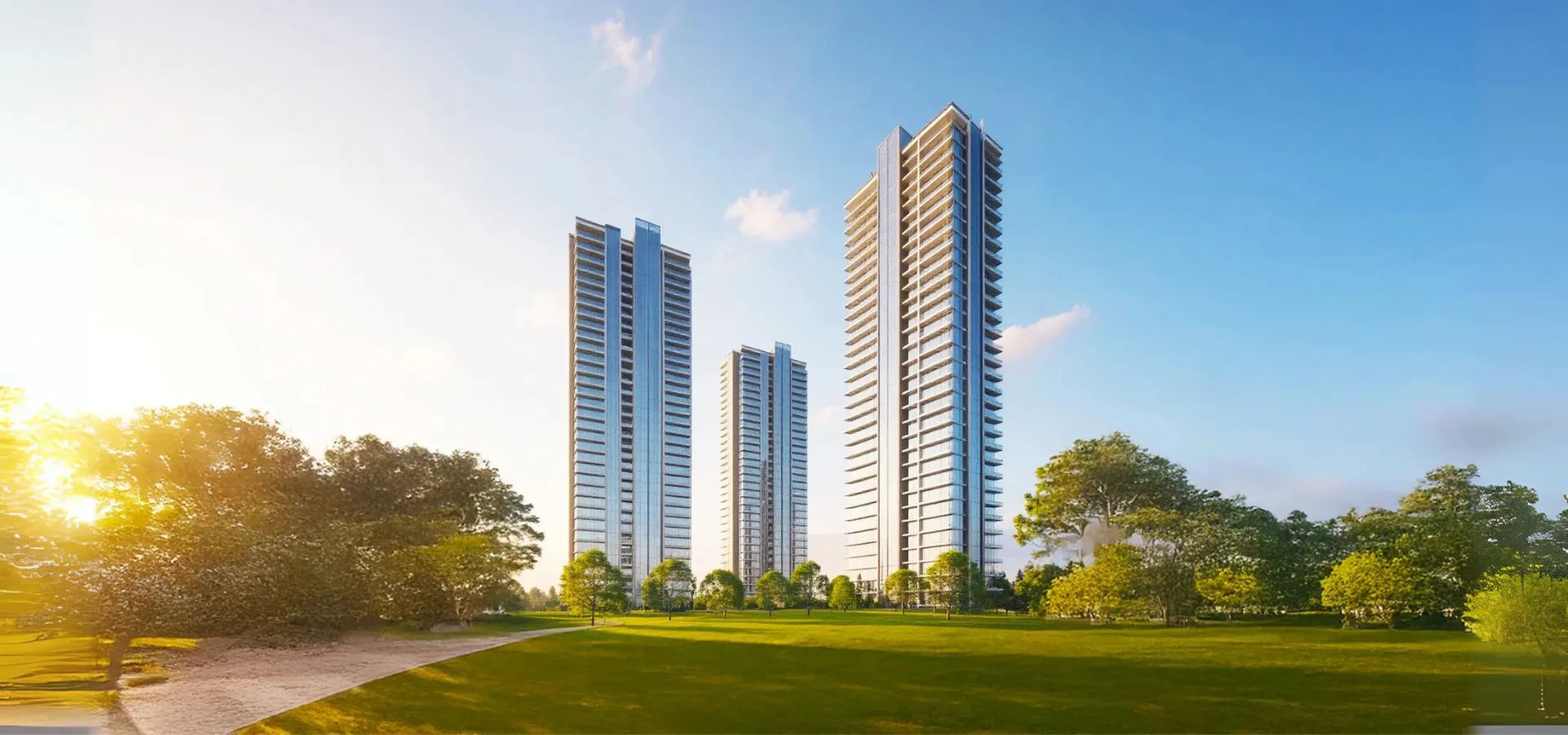
For example, Meffier Sector 66 is marketed as a residential development on Golf Course Extension Road, Gurugram. A buyer considering the project should evaluate the actual commute to work, practical access to nearby services and the quality of the surrounding road network.
Online travel estimates can be helpful, but they are not fixed guarantees. Test the routes that matter to you.
Understand the Apartment Area
The advertised area of a property may not represent the space you can use inside the apartment.
Request the floor plan and confirm the carpet area, built-up area and super area, where applicable. Examine the bedroom dimensions, kitchen layout, storage, balconies, utility areas and natural light.
When comparing two apartments, use the same area definition. Comparing one property's carpet area with another property's super area can create a misleading impression of value.
Calculate the Complete Purchase Cost
The starting price is only one component of the transaction.
Ask for a written breakdown of the base price and all applicable additional charges. Depending on the project and transaction, the total may include floor-rise charges, preferential location charges, parking, taxes, registration expenses and maintenance deposits.
Consider future expenses as well. Furnishing, repairs, insurance and ongoing maintenance can affect affordability after possession.
A realistic budget should leave room for unexpected expenses rather than relying on every future payment going exactly as planned.
Verify the Project's Regulatory Status
For an upcoming development, regulatory verification is essential.
Check the applicable registration and disclosures through the official Haryana Real Estate Regulatory Authority records. Confirm the registered project name, promoter details, registration number, declared completion date and relevant approvals.
Review the agreement for sale and understand the payment schedule, cancellation provisions, project specifications and contractual obligations.
If the project status cannot be verified, seek independent legal advice before making a financial commitment.
Assess Amenities Practically
Amenities can improve residential life when they are well designed, maintained and accessible.
A swimming pool, gymnasium, clubhouse or landscaped garden may be useful, but buyers should confirm which facilities are part of the approved plans and understand the likely maintenance implications.
Ask whether the advertised facilities are proposed, under construction or operational. Also clarify whether additional fees or usage restrictions may apply.
Evaluate Investment Risk Without Assuming Guaranteed Returns
A property's future performance depends on many factors, including local demand, competing supply, employment patterns, infrastructure, financing costs and broader economic conditions.
Do not assume that a new project will automatically appreciate or generate a specific rental yield.
Compare the purchase price with similar properties. Research realistic rents, vacancy periods, maintenance expenses and resale conditions. Consider a conservative scenario in which the investment takes longer to sell than expected.
For buyers researching Meffier Sector 66, the advertised configurations and features can be used as a starting point for due diligence—not as proof of future returns.
A project overview is available here: Meffier Sector 66 Gurgaon information.
Use a Consistent Comparison Checklist
When reviewing multiple developments, compare the same factors for every property:
- Location and daily connectivity
- Carpet area and layout efficiency
- Complete acquisition cost
- Applicable project approvals
- Construction status and declared timeline
- Developer's documented delivery record
- Amenities and maintenance implications
- Comparable local prices and rental evidence
- Payment schedule and financial flexibility
- Exit options and resale liquidity
A written comparison reduces the risk of choosing a property simply because one presentation is more attractive than another.
Conclusion
A strong property decision begins with clear requirements and verifiable evidence.
Understand the layout, visit the location, calculate the full cost and review the legal documents. Treat promotional statements as claims to verify rather than guarantees.
Whether evaluating Meffier Sector 66 or another residential development in Gurugram, a consistent due-diligence process helps buyers make decisions based on practical needs, financial capacity and the documented facts.