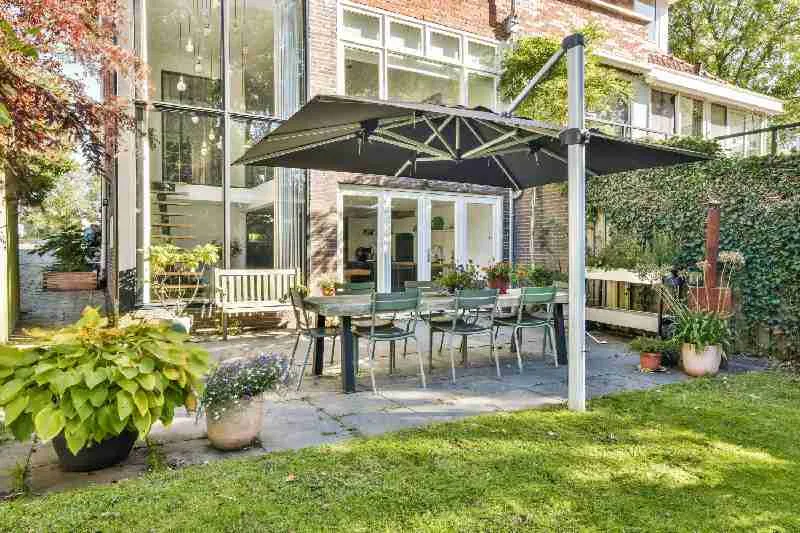
Paradise Valley, Arizona, is renowned for its breathtaking mountain views, sprawling properties, and year-round sunshine. However, enjoying an outdoor patio during the hot summer months requires thoughtful design and heavy-duty shade solutions. Without adequate protection from intense ultraviolet rays, patio furniture deteriorates, concrete surfaces become scorching to the touch, and outdoor rooms remain unused for a significant portion of the year.
Creating an inviting, temperature-controlled retreat requires combining high-performance architectural materials with smart landscaping and custom shaded cover options. Understanding how to block direct heat while maintaining scenic views helps homeowners transform open backyards into functional, high-end living spaces.
1. Evaluate Sun Exposure and Architecture
Before selecting shade structures, analyze how sunlight moves across the property throughout the day. In Paradise Valley, southern and western exposures receive the most intense direct heat, especially during mid-afternoon hours.
When planning your layout, consider these architectural elements:
- Orientation: Identify where direct sunlight hits during peak afternoon heat.
- Roofline Integration: Determine whether shade structures should attach directly to the home or stand independently.
- Sightlines: Ensure installed covers do not block iconic views of Camelback Mountain or Mummy Mountain.
- Structural Compatibility: Match the framing design with existing Mediterranean, modern, or Santa Fe architectural styles.
Aligning shade elements with your home's natural floor plan allows for seamless transitions between indoor living areas and exterior entertaining zones.
2. Select High-Performance Retractable Awnings
Retractable awnings offer dynamic protection, allowing property owners to adjust coverage based on seasonal conditions. During cool winter mornings, retracting the awning lets natural sunlight warm the patio. During mid-summer afternoons, extending the fabric blocks direct solar rays and lowers ambient temperatures on adjacent building walls.
Benefits of Retractable Systems
Custom-designed retractable awnings provide direct relief from heat without permanent structural visual barriers.
- Energy Savings: Shielding sliding glass doors reduces indoor cooling loads and lowers utility bills.
- Fabric Durability: Solution-dyed acrylic fabrics resist fading, mold, and mildew caused by extreme climate exposure.
- Automated Controls: Wind sensors and motorized motorized controls automatically retract systems during high winds to protect the structural frame.
Incorporating automated retractable designs provides effective shade Paradise Valley homeowners rely on to maintain flexible outdoor spaces.
3. Install Fixed Structures and Pergola Systems
For large dining areas, outdoor kitchens, or poolside lounging decks, fixed structural coverage delivers permanent shelter from harsh desert weather.
CategoryOptionFeaturesOutdoor Living Space DesignRetractable Awnings• Flexible daily shade
• Protects doors/windows
• Reduces indoor heat
Outdoor Living Space DesignFixed Pergola Systems• Permanent architectural frame
• Integrated lighting/heaters
• Motorized louver options
Outdoor Living Space DesignCustom Shade Sails• Sculptural geometric look
• Ideal for pool areas
• High airflow fabric
Louvered Pergola Designs
Extruded aluminum louvered pergolas feature adjustable roof slats that rotate 180 degrees. Homeowners can close the louvers completely for full rain protection or tilt them to capture breezes while casting direct sunlight away.
Timber and Steel Cabanas
Heavy-gauge steel and solid timber frames provide an enduring, high-end appearance. Adding insulated roof panels over outdoor kitchens protects stainless steel appliances from overheating and reduces glare.
Investing in permanent outdoor shade Paradise Valley properties require adds tangible market value while significantly extending the home's functional square footage.
4. Utilize Custom Fabric Tension Structures
Shade sails offer a modern visual accent for expansive desert landscapes. Fabric tension structures use heavy-duty steel posts and high-density polyethylene fabric to create overlapping shapes that cast deep shadows over wide areas.
Key applications include:
- Spanning across swimming pools to protect swimmers from mid-day sunburns.
- Covering wide driveway aprons and custom parking areas.
- Framing open lawn areas, playgrounds, and sport courts.
Using porous, high-density fabric allows trapped hot air to escape upward through the weave, creating a cooler microclimate underneath the canopy. Installing custom shade structures Paradise Valley residents favor gives open properties a distinct architectural flair while keeping air circulation high.
5. Enhance Comfort with Integrated Microclimate Controls
Shade alone lowers surface temperatures significantly, but combining physical covers with cooling accessories makes outdoor areas comfortable even when temperatures exceed 100 degrees Fahrenheit.
Comfort ElementPrimary FunctionHigh-Pressure Misting SystemsDrops surrounding air temperatures by up to 20 degreesOutdoor Rated Ceiling FansKeeps air circulating to disperse heat and insectsDrop-Down Solar ScreensBlocks low-angle western sun and reduces glareFlush-Mounted Infrared HeatersProvides clean heat during cool winter eveningsAdding custom drop-down exterior solar shades along the sides of fixed pergolas or patios stops horizontal morning and late afternoon sun. These screens preserve views of the surrounding desert while blocking up to 95 percent of harmful UV light. Adding motorized drop screens creates a completely enclosed patio shade Paradise Valley families can enjoy in any season.
6. Select Heat-Resistant Materials and Landscaping
Building a functional shaded retreat requires choosing low-maintenance, heat-resistant materials for all surrounding surfaces.
- Hardscaping: Use natural travertine or light-colored pavers instead of dark concrete or asphalt. Travertine reflects heat rather than absorbing it, making it safer for barefoot walking.
- Furniture Fabrics: Choose solution-dyed marine textiles that retain structural strength and color despite daily sun exposure.
- Desert Landscaping: Plant mature drought-tolerant trees like Palo Verde, Mesquite, or Ironwood along western exposure lines. Natural tree canopies complement artificial backyard shade Paradise Valley homes need for balanced heat management.
Combining hardscape planning with proper shade products prevents heat retention in masonry walls and surrounding decks, resulting in cooler ambient outdoor temperatures.
Frequently Asked Questions
What is the most durable shade option for desert climates?
Extruded aluminum pergolas and commercial-grade solution-dyed acrylic awnings offer the highest durability in high-heat environments. Aluminum frames will not warp, crack, or rust, while high-grade synthetic fabrics withstand continuous UV exposure without premature rotting or severe fading.
How much can a shade structure lower patio temperatures?
A properly designed shade cover can lower surface temperatures by as much as 30 to 40 degrees Fahrenheit compared to unshaded concrete. Ambient air temperatures beneath permeable shade fabrics or open-sided shade structures can feel 10 to 20 degrees cooler due to blocked direct solar radiation.
Do I need a building permit for shade structures in Paradise Valley?
Permit requirements depend on the size, height, and attachment method of the structure. Retractable awnings attached to existing residential framing often have simpler approval processes, while large fixed pergolas, steel cabanas, or deep foundation shade sails may require site plan reviews and structural engineering documentation from the town.
How do I protect retractable awnings during high winds?
Installing automated wind sensors allows motorized retractable awnings to close automatically when gusty conditions are detected. Manually operated awnings should always be rolled up when not in use or when strong storms approach.
Can custom shade structures withstand monsoon rain storms?
Yes, high-quality fixed structures, heavy-duty louvered pergolas, and properly engineered tension sails are designed to meet local wind load and heavy rain standards. Water-resistant and breathable fabric choices prevent water pooling, allowing heavy rains to drain safely away from living areas.
Know more https://www.phoenixtent.com/blog/shaded-outdoor-living-space-paradise-valley/