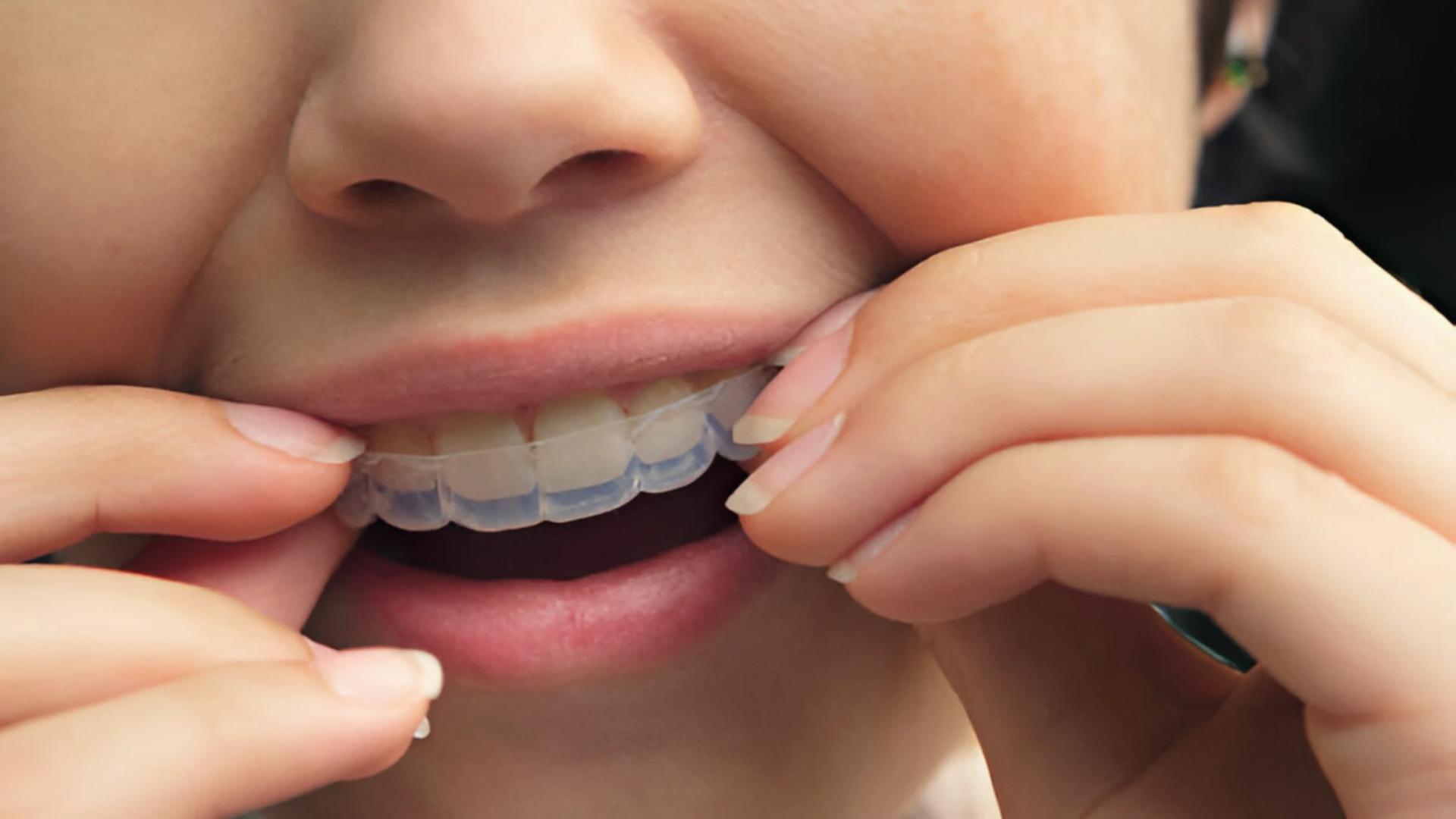
Clear aligners have revolutionized orthodontic treatment by offering a comfortable, removable, and nearly invisible alternative to traditional braces. Many patients prefer aligners because they allow them to straighten their teeth discreetly while maintaining their normal lifestyle. However, maintaining proper hygiene during aligner treatment is extremely important.
One of the most common questions patients ask during treatment is “How to clean clear aligners properly?” Since aligners are worn for 20–22 hours a day, they can easily accumulate bacteria, plaque, and food particles if they are not cleaned regularly.
Poor aligner hygiene may lead to several problems such as bad breath, staining of aligners, plaque buildup, and even an increased risk of tooth decay or gum disease. Proper cleaning ensures that aligners remain transparent, odor-free, and safe to wear throughout the treatment period.
In this blog, we will discuss the best methods for cleaning clear aligners, common mistakes to avoid, and tips to maintain excellent oral hygiene while undergoing aligner treatment.
Why Cleaning Clear Aligners Is Important
Since aligners fit tightly over your teeth, they create a sealed environment in the mouth. If bacteria or food particles remain trapped between the aligner and teeth, they may lead to oral health issues.
Regular cleaning of aligners helps:
- Prevent bacterial buildup
- Avoid bad breath
- Maintain the clarity of aligners
- Reduce the risk of tooth decay
- Protect gum health
Maintaining clean aligners is just as important as brushing and flossing your teeth.
Daily Routine for Cleaning Clear Aligners
Following a simple daily routine can help keep your aligners fresh and hygienic.
1. Rinse Aligners Every Time You Remove Them
Whenever you remove your aligners for eating or brushing, rinse them with lukewarm water. This prevents saliva and bacteria from drying on the aligner surface.
Avoid letting aligners sit dry for long periods.
2. Gently Brush Your Aligners
Use a soft-bristled toothbrush to gently brush your aligners every day. This helps remove plaque buildup and keeps them clean.
Steps include:
- Rinse aligners with lukewarm water
- Use a soft toothbrush to clean all surfaces
- Rinse thoroughly before placing them back in your mouth
Avoid using toothpaste that contains abrasive particles, as it may scratch the aligners and make them appear cloudy.
3. Clean Your Teeth Before Wearing Aligners
Before reinserting your aligners, always brush and floss your teeth. Wearing aligners over unclean teeth can trap food particles and bacteria against the tooth surface.
This increases the risk of cavities and gum inflammation.
4. Use Aligner Cleaning Solutions
Many dentists recommend specialized aligner cleaning tablets or solutions that help remove bacteria and stains from the trays.
These solutions are designed specifically for orthodontic appliances and help keep aligners clear and odor-free.
Deep Cleaning Clear Aligners
In addition to daily cleaning, aligners should be deep-cleaned regularly to maintain optimal hygiene.
Soaking Method
You can soak aligners in a cleaning solution once a day or a few times a week.
Common options include:
- Aligner cleaning tablets
- Retainer cleaning solutions
- Mild antibacterial solutions recommended by your dentist
After soaking, rinse the aligners thoroughly before wearing them again.
Common Mistakes to Avoid When Cleaning Aligners
Many patients unknowingly damage their aligners by using incorrect cleaning methods.
1. Using Hot Water
Hot water can warp the plastic and alter the shape of the aligners. This may affect how the aligners fit and move your teeth.
Always use lukewarm or cool water.
2. Using Toothpaste With Abrasives
Some toothpaste formulas contain abrasive ingredients that can scratch the aligners. Scratched aligners may become cloudy and more visible.
Use a gentle cleanser or dentist-recommended solution instead.
3. Skipping Daily Cleaning
Skipping aligner cleaning can cause plaque buildup and unpleasant odors. Aligners should be cleaned every day as part of your oral hygiene routine.
4. Eating While Wearing Aligners
Eating with aligners in place can stain or damage them. It can also trap food particles inside the trays.
Always remove aligners before meals.
Tips to Keep Aligners Clear and Odor-Free
Following a few additional habits can help maintain aligner hygiene throughout treatment.
Drink Only Water With Aligners
Drinks like coffee, tea, and soda can stain the aligners and cause discoloration.
Water is the safest option when wearing aligners.
Store Aligners Properly
When aligners are not being worn, store them in their protective case. Leaving them exposed may allow bacteria to accumulate or cause accidental damage.
Maintain Excellent Oral Hygiene
Brush your teeth twice daily and floss regularly to prevent plaque buildup during treatment.
Healthy teeth and gums support successful orthodontic results.
Importance of Professional Guidance During Aligner Treatment
While aligners offer convenience and flexibility, orthodontic treatment should always be monitored by a qualified dentist. Professional supervision ensures that teeth move safely and effectively throughout the treatment period.
If you are considering orthodontic treatment, you can learn more about options for the best aligner treatment in Thalassery at Aline Dent. Expert consultation and customized treatment planning can help you achieve optimal results while maintaining excellent oral health.
How Often Should Aligners Be Cleaned?
For the best results, aligners should be cleaned:
- Every time they are removed – rinse with water
- At least twice daily – gentle brushing
- Regularly with cleaning solution – deeper cleaning
Following this routine helps keep aligners hygienic and transparent.
Frequently Asked Questions
Can I clean aligners with toothpaste?
It is better to avoid abrasive toothpaste because it may scratch the aligner surface.
How do I remove bad smell from aligners?
Regular brushing and soaking aligners in a cleaning solution can help eliminate odor.
Can I use mouthwash to clean aligners?
Some mouthwashes may stain aligners. It is best to use dentist-recommended cleaning solutions.
What happens if aligners are not cleaned properly?
Poor hygiene can lead to plaque buildup, bad breath, staining, and potential dental issues.
Can aligners become yellow?
Yes. Drinking colored beverages or poor cleaning habits may cause discoloration.
Conclusion
Clear aligners provide a convenient and effective way to straighten teeth, but maintaining proper hygiene during treatment is essential. Since aligners are worn for most of the day, they must be cleaned regularly to prevent bacterial buildup, odors, and discoloration.
A simple routine that includes rinsing, gentle brushing, and occasional soaking can keep aligners clean and transparent. Along with proper oral hygiene and regular dental checkups, these practices help ensure successful orthodontic treatment.
By taking good care of your aligners and following your dentist’s instructions, you can enjoy a smoother treatment journey and achieve the straight, confident smile you desire.