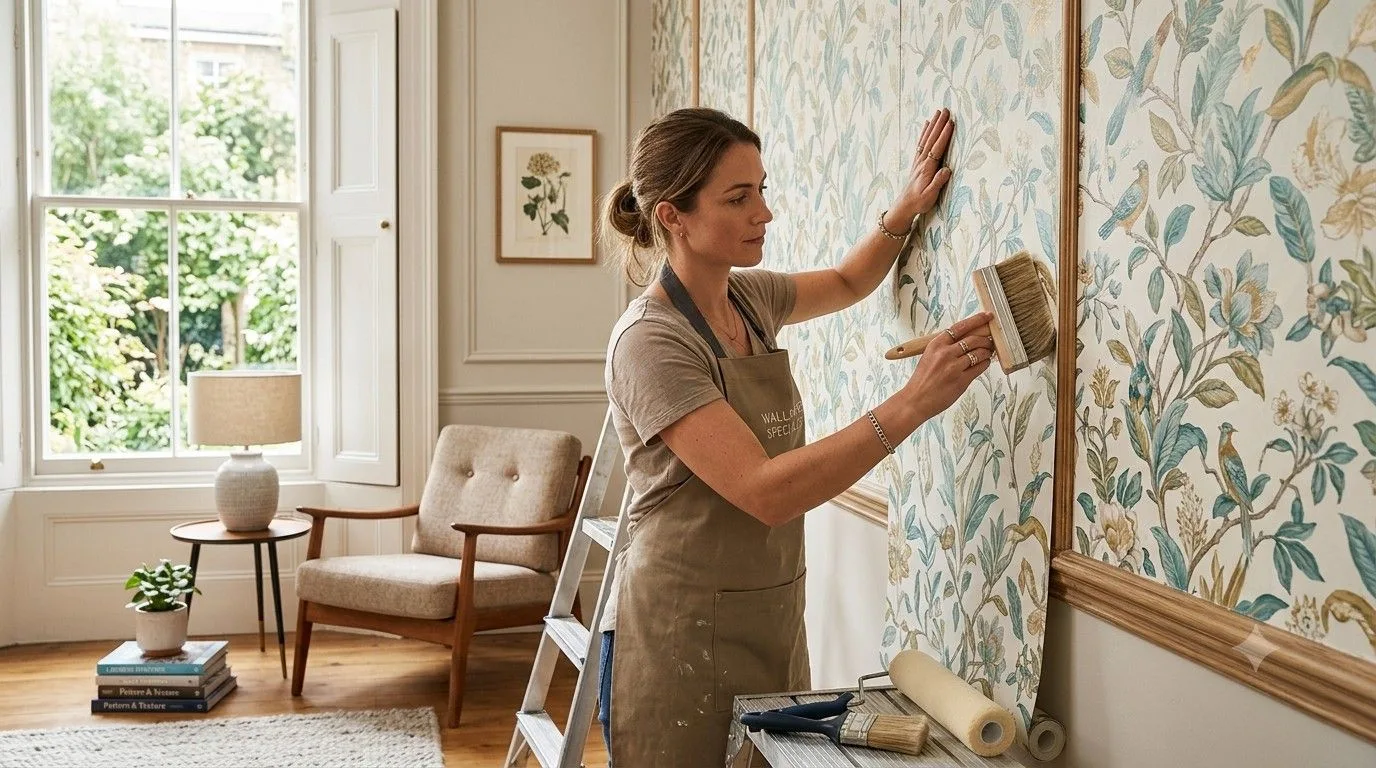
Wallpaper has become a popular choice for homeowners looking to add personality, texture and character to their interiors. From elegant botanical prints to contemporary geometric patterns, the right design can transform a plain wall into an attractive focal point. However, achieving a professional finish requires more than choosing a pattern that suits your taste. Wall preparation, accurate measurements, material selection and careful installation all play an important role.
For homeowners considering a room makeover, working with a wallpaper specialist in London can help ensure the chosen design complements the property and creates a lasting impression. Understanding the different wallpaper options, installation techniques and preparation requirements can also make the decorating process easier and more rewarding.
Why Wallpaper Remains a Popular Interior Design Choice
Wallpaper offers a level of variety that paint alone cannot always provide. It can introduce intricate patterns, tactile finishes and visual depth, making it suitable for both traditional and modern interiors.
In London homes, where properties range from period terraces and Victorian houses to contemporary flats, wallpaper can help reflect the character of a room. Subtle textures may suit a minimalist living space, while bold prints can bring energy to a dining room or feature wall.
Wallpaper can also help define different areas within an open-plan layout. A carefully selected design behind a dining table, for example, can create a sense of separation without the need for physical partitions.
The key is to choose a pattern that works with the room's proportions, natural light, furniture and existing colour scheme.
Understanding Different Types of Wallpaper
Before arranging installation, it is worth exploring the materials available. Each type has different characteristics, maintenance requirements and suitability for particular rooms.
Traditional Paper Wallpaper
Traditional paper wallpaper is available in an extensive range of colours, patterns and finishes. It can be an excellent option for bedrooms, lounges and other spaces where moisture levels are relatively low.
However, paper can be delicate during installation, particularly when wet. It may require careful handling to prevent tearing, stretching or visible creases.
Non-Woven Wallpaper
Non-woven wallpaper is often easier to install because adhesive can usually be applied directly to the wall. This can simplify positioning and reduce the need to soak individual wallpaper strips.
It is available in a wide variety of designs, making it suitable for homeowners who want an attractive finish without unnecessarily complicated installation.
Vinyl Wallpaper
Vinyl wallpaper generally offers greater resistance to everyday wear and can be easier to clean than many paper-based alternatives. Depending on its specification, it may be suitable for busy hallways, kitchens or other areas where walls require more frequent maintenance.
Nevertheless, suitability for humid environments depends on the particular product and the room's ventilation. Always check the manufacturer's guidance before selecting wallpaper for kitchens or bathrooms.
Textured and Luxury Wallpaper
Textured wallpaper can introduce depth and sophistication through raised patterns, fabric-inspired finishes or metallic details. These designs can work particularly well in bedrooms, reception rooms and feature areas.
Because textured materials and intricate patterns may require precise alignment, careful planning is essential to achieve a consistent appearance.
The Importance of Professional Wallpaper Installation
Even high-quality wallpaper can look disappointing when it is installed incorrectly. Misaligned patterns, visible joins, trapped air and uneven edges can affect the overall appearance of a room.
A wallpaper specialist in London can assess the condition of the walls, identify potential installation challenges and recommend an appropriate approach for the selected material.
Professional installation typically begins with inspecting the surface. Loose paint, old adhesive, cracks and uneven areas may need attention before wallpaper is applied. Without adequate preparation, imperfections can remain visible beneath the finished covering.
Accurate measurements are equally important. Wallpaper requirements depend on wall dimensions, roll width, pattern repeats and the amount of material needed for matching designs. Ordering too little can create difficulties if additional rolls come from a different production batch.
Experienced installers also pay attention to corners, window reveals, door frames and sockets. These details require careful cutting and positioning to create a neat, consistent result.
Preparing Your Walls Before Installation
Wall preparation is one of the most important stages of any wallpaper project. A clean, stable and appropriately prepared surface helps the adhesive work effectively and improves the finished appearance.
Remove Existing Wall Coverings
Where old wallpaper is present, it may need to be removed before new material is installed. Leaving unsuitable coverings in place can cause adhesion problems, bubbling or an uneven surface.
The correct removal method depends on the existing material and the condition of the wall beneath it.
Repair Cracks and Imperfections
Small cracks, dents and holes should be filled and smoothed. Even minor imperfections can become noticeable beneath thinner wallpaper, particularly when light falls across the wall at an angle.
Allow repaired areas to dry fully before sanding and removing dust.
Check the Wall Surface
Walls should be clean, dry and suitable for the chosen adhesive. Depending on the surface and wallpaper type, a primer or lining paper may be recommended.
New plaster requires particular attention because it must be sufficiently dry and prepared before wallpaper is applied. Rushing this stage can compromise the final result.
Choosing Wallpaper for Different Rooms
The best wallpaper depends on how a room is used, the atmosphere you want to create and the amount of natural light available.
Living rooms: Botanical prints, understated geometric designs and textured neutrals can create a welcoming environment. A feature wall behind a sofa or fireplace may provide a focal point without overwhelming the space.
Bedrooms: Softer colours, subtle patterns and fabric-inspired textures can create a relaxed atmosphere. Larger patterns can also work well when balanced with simple furnishings.
Hallways: These areas often experience frequent contact and everyday wear. Durable finishes and patterns that disguise minor marks may be practical choices, particularly in busy family homes.
Home offices: Restrained geometric patterns, muted colours or subtle textures can create a professional background while keeping the room visually comfortable.
Dining rooms: Rich colours and decorative prints can introduce character, especially when coordinated with lighting, furniture and accessories.
In smaller London properties, lighter colours and carefully scaled patterns may help a room feel more open. However, darker wallpaper can also create an attractive, intimate effect when supported by suitable lighting.
How to Find a Suitable Wallpaper Installer
Choosing the right installer involves more than comparing prices. Homeowners should consider experience, workmanship, communication and the ability to handle their preferred wallpaper material.
When researching a wallpaper specialist in London, look for examples of completed projects that demonstrate clean joins, accurate pattern matching and neat finishing around architectural details.
Photographs can provide useful evidence, although it is worth checking whether they show the installer's own work. Where possible, ask for relevant references or reviews that describe the quality of the installation and the overall customer experience.
A reliable professional should also explain what preparation is required, which materials are included in the quotation and whether additional repairs could affect the final cost.
For example, Adam's Painting can be considered as part of the research process when exploring decorating services and wallpaper installation options. Homeowners should still assess the suitability of any provider against their specific requirements, project scope and available evidence of workmanship.
Before work begins, confirm the estimated timescale, access arrangements, furniture protection and disposal of removed wall coverings. Clear communication helps prevent misunderstandings and makes it easier to plan around the decorating work.
Common Wallpaper Installation Mistakes to Avoid
Several avoidable mistakes can affect the appearance and durability of a wallpaper project.
One common problem is choosing a design without considering the room's lighting. Colours can appear different under natural daylight, warm bulbs and cool artificial lighting. Requesting a sample and viewing it at different times of day can help with the decision.
Another mistake is neglecting pattern repeats. Large prints may generate more offcuts because each strip must align with the previous one. This should be considered when calculating the quantity required.
Poor surface preparation is also a frequent cause of disappointing results. Applying wallpaper over dusty, damp or unstable walls can lead to lifting edges and uneven finishes.
Finally, rushing the installation process can create visible joins and trapped air. Following the manufacturer's instructions and allowing sufficient time for preparation and drying can help avoid unnecessary problems.
Maintaining Your Wallpaper for a Longer-Lasting Finish
Proper maintenance helps preserve the appearance of wallpaper. The appropriate cleaning method depends on the material, so always follow the manufacturer's instructions.
Many wallpapers can be maintained with gentle dusting using a soft cloth or brush. Washable varieties may tolerate light cleaning, but excessive moisture and abrasive products can damage certain finishes.
Address minor marks promptly using a method suitable for the specific wallpaper. Avoid scrubbing delicate printed or textured surfaces, as this may affect their colour or structure.
It is also sensible to monitor areas near windows, external walls and plumbing for signs of dampness. Wallpaper should not be used to conceal an underlying moisture problem. Any suspected leak or persistent dampness should be investigated before repairs or redecoration take place.
For larger decorating projects, a wallpaper specialist in London may also be able to advise on suitable materials and preparation methods that support the intended finish.
Final Thoughts
Wallpaper can make a significant difference to the appearance of a London home, whether the aim is to introduce a subtle texture, create a striking feature wall or complement a property's original character.
The most successful results come from combining thoughtful design choices with appropriate materials, thorough preparation and accurate installation. Taking time to compare patterns, understand maintenance requirements and assess professional experience can help homeowners make informed decisions.
By planning carefully and choosing an installation approach suited to the property, it is possible to create an attractive interior that remains practical for everyday living. A well-executed wallpaper project should not simply look impressive on completion; it should also complement the room and meet the household's needs over time.