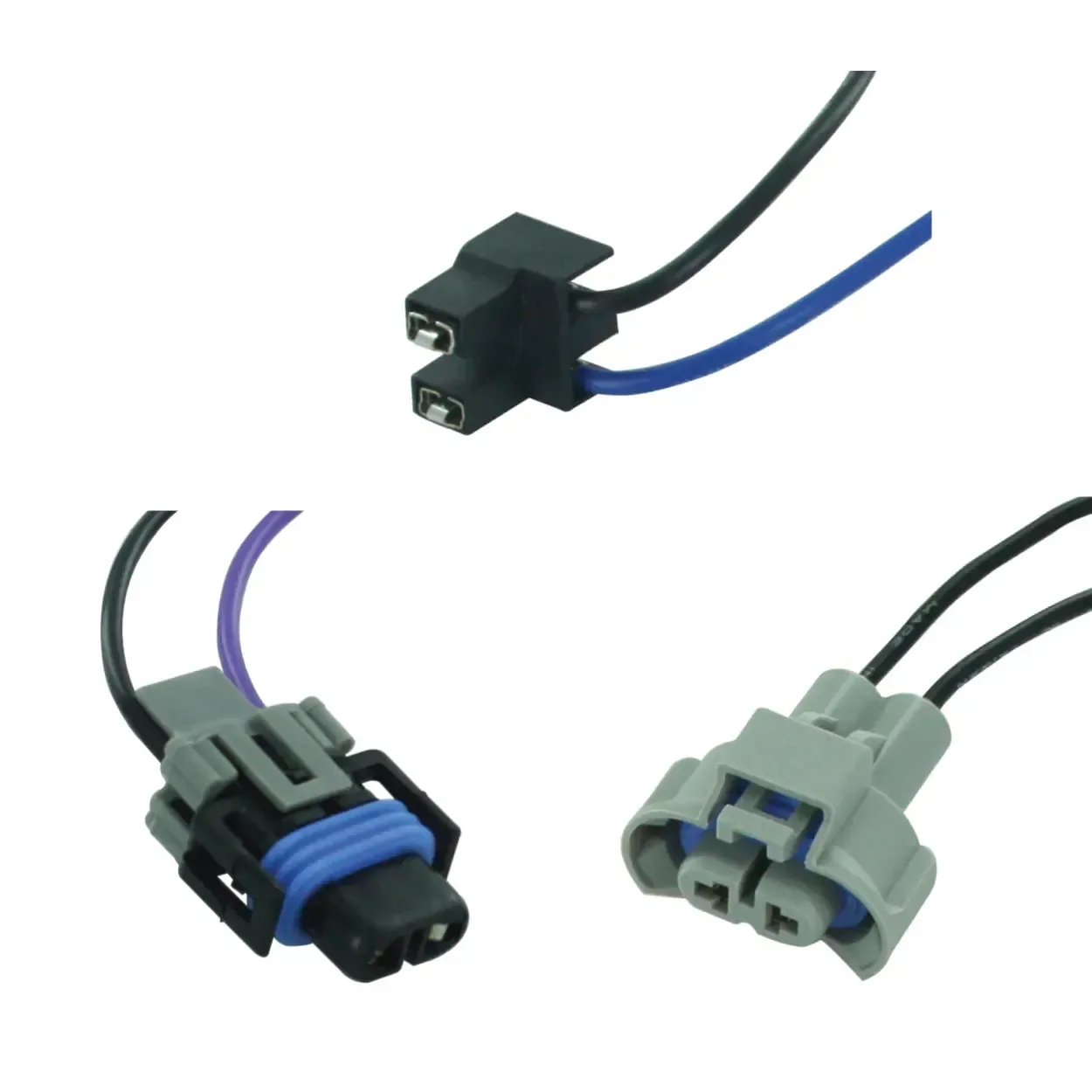
When a connector gets damaged, corroded, or broken, you rarely need to replace an entire wiring harness. A pigtail connector offers a quick, cost-effective fix. It is a connector with short lengths of wire already attached, ready to splice into existing wiring. Pigtail connectors are widely used in automotive, marine, trailer, lighting, and industrial applications.
Choosing the right pigtail connector is essential for a safe and reliable repair or installation. The wrong connector can lead to poor fit, loose contacts, water intrusion, or electrical failure. This guide covers the key factors to consider so you can pick the right pigtail connector the first time.
What Is a Pigtail Connector?
A pigtail connector is a pre-wired plug or socket with leads that extend from the back of the housing. Instead of crimping individual terminals into a new housing, you simply splice the pigtail leads to the existing wires. This saves time, reduces errors, and often provides a factory-quality connection.
Key Factors to Consider When Choosing a Pigtail Connector
1. Connector Type and Compatibility
The most important step is matching the connector to the component it plugs into. Pigtail connectors come in many shapes and locking styles, and even small differences can prevent a proper fit. Check the part number on the original connector, the device it connects to, or the vehicle or equipment manual. For automotive repairs, look for pigtails that match the original equipment (OEM) design for sensors, headlights, switches, or modules.
2. Number of Pins or Circuits
Count the number of terminals in the original connector. A pigtail with too few pins will not carry all the required circuits, while one with extra pins may not fit or lock correctly. Also check the pin layout and keying, since two connectors with the same pin count can have different configurations.
3. Wire Gauge and Lead Length
The pigtail leads should match or exceed the gauge of the wires they will connect to. Undersized wire can overheat under load. Lead length matters too. Longer leads give you more room to make clean splices away from tight or hot areas, while shorter leads suit compact installations.
4. Voltage and Current Rating
Make sure the connector and its wires are rated for the voltage and current of your circuit. Lighting, sensors, and signal circuits carry low current, while fans, pumps, and power feeds need higher-rated pigtails. Exceeding the rating can cause heat buildup and connection failure.
5. Environmental Sealing
Where will the connector be installed? Engine bays, trailers, boats, and outdoor equipment are exposed to moisture, dust, road salt, and temperature swings. In these locations, choose a sealed or weatherproof pigtail connector with rubber seals and secure locking tabs. Many sealed connectors list an IP rating, which tells you how well they resist water and dust.
6. Wire Insulation and Temperature Resistance
Wire insulation should suit the operating environment. Automotive applications often use cross-linked insulation types such as GXL, TXL, or SXL, which handle heat, abrasion, and fluids better than general-purpose wire. For high-heat areas, check the temperature rating of both the housing and the wire.
7. Termination and Installation Method
Consider how you will connect the pigtail to the existing harness. Options include crimped butt connectors, heat shrink solder sleeves, or soldering with heat shrink tubing. In wet or high-vibration areas, sealed heat shrink butt connectors are a popular choice because they add strain relief and moisture protection.
8. Quality and Certifications
Not all pigtail connectors are built the same. Look for durable housings, well-plated terminals, and clearly color-coded wires. Products from reputable manufacturers, or those that meet relevant industry standards, are more likely to deliver long-term reliability.
Installation Tips for a Reliable Connection
- Disconnect power or the battery before starting any repair.
- Cut out the damaged connector, leaving enough wire to work with.
- Stagger your splices so they do not create a bulky bundle.
- Match wire colors or circuits carefully, and test before sealing.
- Seal each splice with heat shrink and secure the harness to prevent strain.
Frequently Asked Questions
What is a pigtail connector used for?
It is used to replace a damaged connector or add a new connection without replacing the entire wiring harness.
Are waterproof pigtail connectors worth it?
Yes, for any location exposed to moisture, dust, or road spray. Sealed connectors help prevent corrosion and intermittent faults.
Can I use a universal pigtail connector?
Universal pigtails work for some applications, but an exact-fit connector is usually the best choice for proper locking and sealing.
Conclusion
Choosing the right pigtail connector means matching the connector type, pin count, wire gauge, rating, and sealing to your application. The right choice gives you a clean, durable repair that performs like the original.
Need a reliable pigtail connector for your next repair or installation? Browse our full range of automotive, sealed, and replacement pigtail connectors, or contact our team for help finding the right fit.