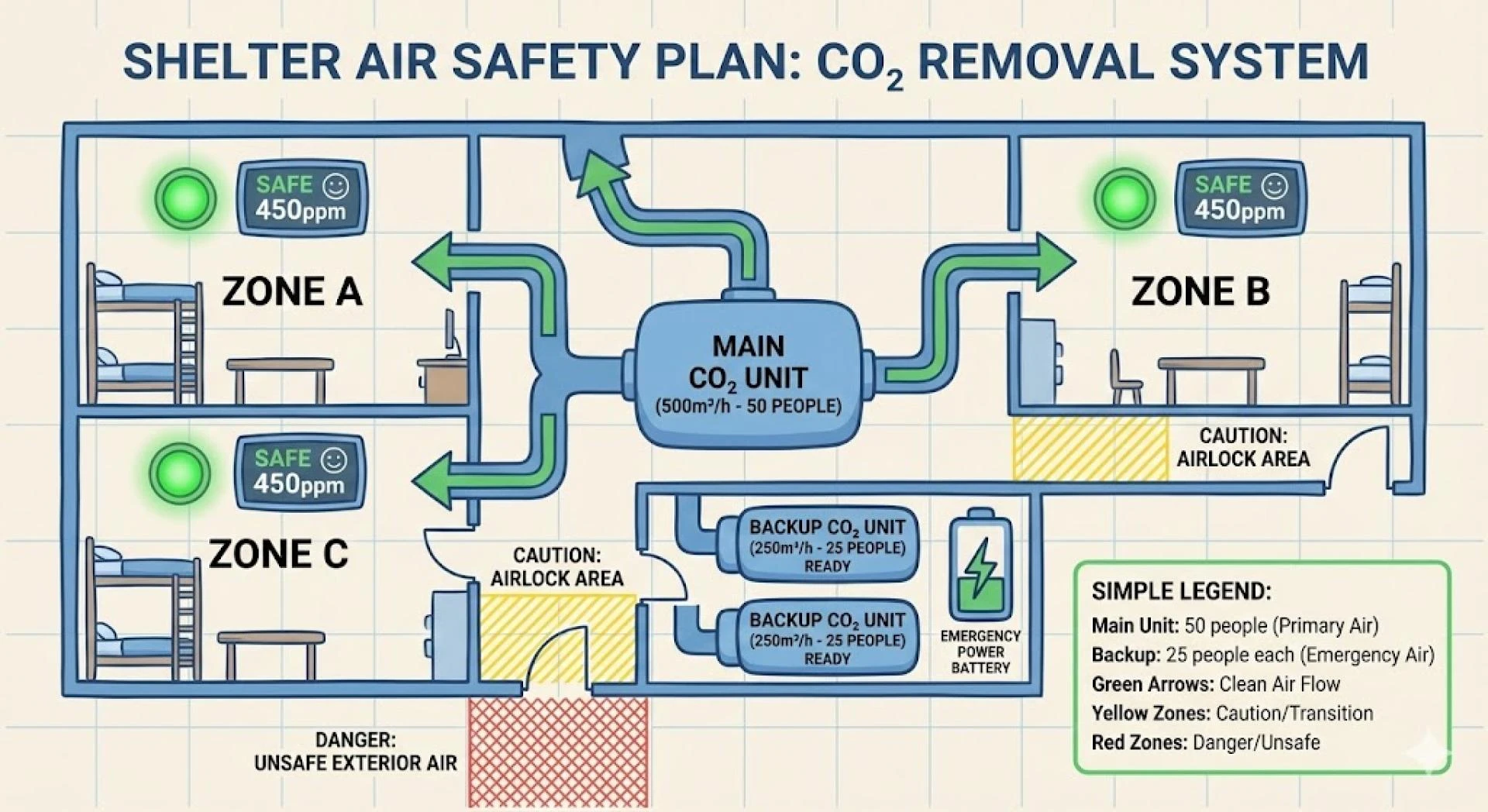
These devices pull excess carbon dioxide out of the air, preventing buildup that leads to stuffy spaces and health issues. With so many options out there, knowing what to look for helps you avoid wasting money on something that doesn't fit your needs.
Understand Your Facility's Needs
Start by looking at your space. How big is the area where CO2 builds up? A small workshop might only need a compact CO2 scrubber, while a large production floor calls for something stronger that handles more air. Think about where the gas comes from—maybe from welding, painting, or engines—and how often it happens.
Count the number of people working there too. More folks breathing means more CO2, so size up accordingly. Jot down daily hours of operation and any hot spots, like near machines. This quick check gives you a clear picture of what your CO2 scrubber must handle without guessing.
Check the Air Handling Power
Every CO2 scrubber has a rating for how much air it can process, often listed in cubic feet per minute. Match this to your room size—for example, aim for five air changes per hour in busy areas. A unit too weak won't keep up, leaving air heavy, while one too strong just runs extra costs.
Look at noise levels next, especially if it's near offices or quiet zones. Quiet fans make a huge difference for comfort. Also, consider power use; models that sip electricity save on bills over time. Test a few in person if possible to feel the airflow yourself.
Look at Ease of Upkeep
Nobody wants a CO2 scrubber that turns into a chore. Check how often filters need swapping—every few months is ideal for most. Easy-access designs let workers handle it without tools or downtime. Ask about replacement costs; cheap filters add up fast.
Portable wheels or wall-mount options suit different setups. Wall ones save floor space in tight spots, while movers go where needed. Read user stories online for real feedback on how simple maintenance really is day-to-day.
Weigh Cost Against Long-Term Value
Upfront price matters, but don't stop there. A bargain CO2 scrubber might break soon or use pricey parts. Factor in energy savings and how long it lasts—five to ten years is common with good care. Look for warranties covering at least two years.
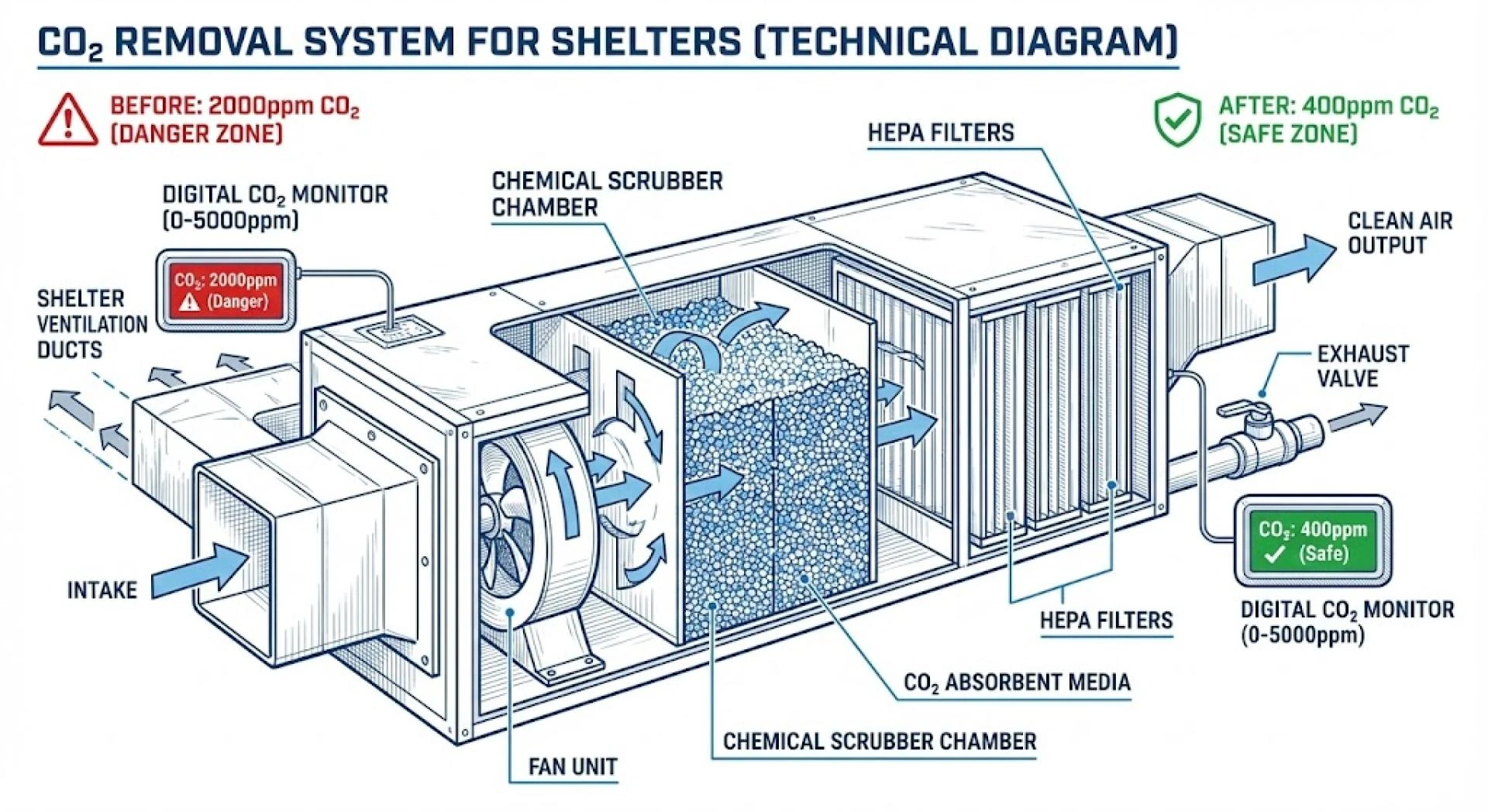
Compare brands side by side. Some offer bundles with extra filters or monitors to track air quality. Energy-efficient ones pay for themselves quicker in high-use factories. Balance your budget with reliability to get the best deal overall.
Test and Get Advice
Before buying, run a trial if the seller allows. Set it up for a week to see real results—does the air feel fresher? Use a simple meter to confirm CO2 drops. Talk to current users in similar facilities for honest tips.
Reach out to suppliers for custom advice based on your setup. They often share checklists or demos. Once installed, train your team on basics to keep it running smooth. Choosing smart means safer air, happier workers, and fewer headaches down the road.
In the end, the best CO2 scrubber fits your facility like a glove—powerful enough, easy to manage, and worth every penny. Take your time matching it to your needs, and you'll breathe easier knowing you've made the right call.