
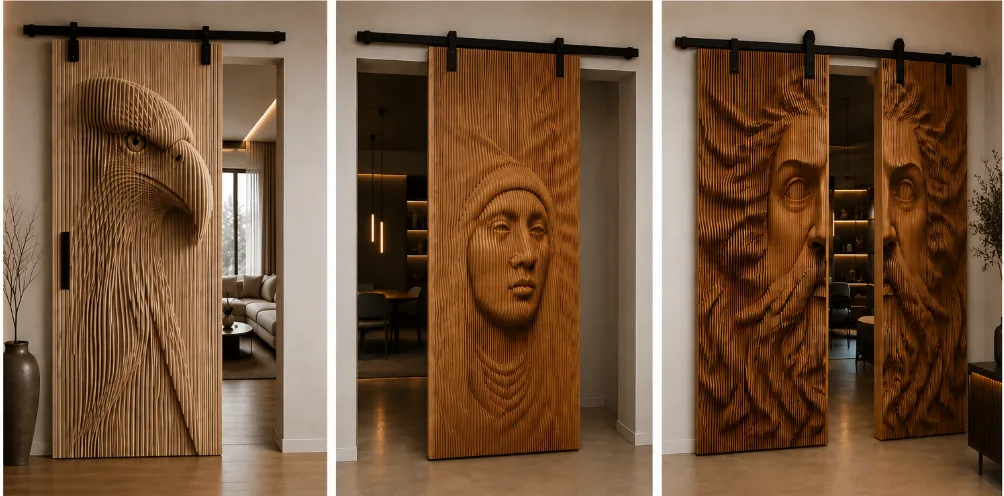
Doors are often treated as an afterthought in interior design, yet they play a major role in how a space feels and functions. Custom wooden doors offer a way to change that, turning a simple functional element into a design feature that enhances the overall character of a room. Whether you're separating a home office from a living area, adding privacy to a bedroom, or creating a striking focal point in an open-concept space, choosing the right sliding door can make a significant difference in both aesthetics and everyday usability.
This guide from Zorka Furniture walks through the key considerations for selecting custom wooden sliding doors, helping you choose a design that fits your space, your style, and your practical needs.
Why Choose Sliding Doors
It is clear that sliding doors have gained popularity in interior design due to several advantages. Firstly, they do not need clearance on the floor in order to open, which makes them a great solution for small spaces, narrow passages, or rooms where the position of furniture hinders door opening. The space-saving function of sliding doors makes them especially convenient for apartments in cities, home offices, or rooms with versatile functions.
In addition to their functional advantages, sliding doors have their own specific aesthetic qualities. Due to the smooth motion of sliding doors along the horizontal axis and usually simple hardware, sliding doors look very modern and can fit into many interior styles.
Key Factors to Consider Before Buying
1. Room Function and Purpose
Start by considering how the door will actually be used. A door separating a home office from a living space may prioritize sound dampening and privacy, while a decorative sliding door used as a room divider might focus more heavily on visual impact than full acoustic separation. Understanding the door's primary role helps guide material and construction decisions.
2. Wood Species and Finish
The type of wood significantly affects both appearance and durability. Oak, walnut, and birch are popular choices, each offering distinct grain patterns and tonal qualities. Finish selection also matters, as matte, satin, or natural oil finishes each create a different visual mood while offering varying levels of protection against daily wear.
3. Panel Style and Design
Custom wooden doors can range from simple flat panels to more intricate designs featuring slats, geometric cutouts, or sculptural detailing. A minimalist flat panel works well in understated modern interiors, while a more decorative design can serve as a genuine statement piece within an open floor plan.
4. Hardware and Track System
The quality of the sliding mechanism directly impacts how smoothly the door operates over time. Look for durable track systems with soft-close features to prevent slamming, along with hardware finishes that complement the door's overall design, such as matte black or brushed metal handles.
5. Size and Space Planning
Measure your doorway opening carefully, keeping in mind that sliding doors require adjacent wall space for the door to slide into when open. This is an important consideration for rooms with limited wall space, as it may influence whether a single sliding panel or a multi-panel system works best.
Where Custom Sliding Doors Work Best
Home Offices: As remote work continues to shape home design, sliding doors offer an effective way to create a defined workspace without permanently altering a room's layout.
Bedrooms and Closets: Sliding doors are a practical choice for closets and bedroom entries, particularly in homes where space efficiency is a priority.
Open-Concept Living Areas: In open floor plans, custom sliding doors can serve as flexible room dividers, allowing homeowners to open up or section off spaces as needed throughout the day.
If your space calls for a design that separates rooms without sacrificing natural light flow, consider options with glass or slatted inserts that maintain openness while still providing a defined boundary.
Choosing a Single Custom Sliding Door vs. Multiple Panels
There is also a scenario where a sliding door needs to be installed with just one large panel as this creates a neat, continuous appearance and allows for ample coverage of your space when it opens up. There are times where you need to install more than one panel because of the dimensions of your space. Having a custom-made door for your specific opening will ensure that you have the best fit.
Durability and Maintenance
Since wooden sliding doors are used quite regularly on a daily basis, you need to consider the durability of the doors. The door needs to be framed so that there is no warping in the long term. A good finish will protect the door from any damage caused by water and scratches.
Final Thoughts
Selecting the right sliding door involves more than just picking an attractive wood tone; it requires thoughtful consideration of function, size, and design style to ensure the final piece truly fits your space. With custom wooden doors, you gain the flexibility to create a solution tailored precisely to your room's needs rather than settling for a generic, one-size-fits-all option. Explore Zorka Furniture full sliding door collection and find the perfect custom wooden doors for your next project.
Frequently Asked Questions (FAQs)
1. Are sliding doors a good option for small rooms?
Yes, sliding doors don't require floor clearance to open, making them ideal for smaller spaces or rooms with limited furniture placement flexibility.
2. What wood species work best for custom sliding doors?
Oak, walnut, and birch are popular choices, each offering distinct grain patterns and durability suited to different design styles.
3. Do custom wooden doors require special maintenance?
Routine care, such as periodic track cleaning and occasional hardware lubrication, helps keep the door operating smoothly over time.
4. Can sliding doors be used as room dividers in open floor plans?
Yes, sliding doors are a popular choice for flexible room division, allowing spaces to be opened up or sectioned off as needed.
5. How do I know if I need a single panel or multi-panel sliding door?
This depends on your doorway width, as wider openings often require multiple panels to achieve full coverage without an oversized single door.