
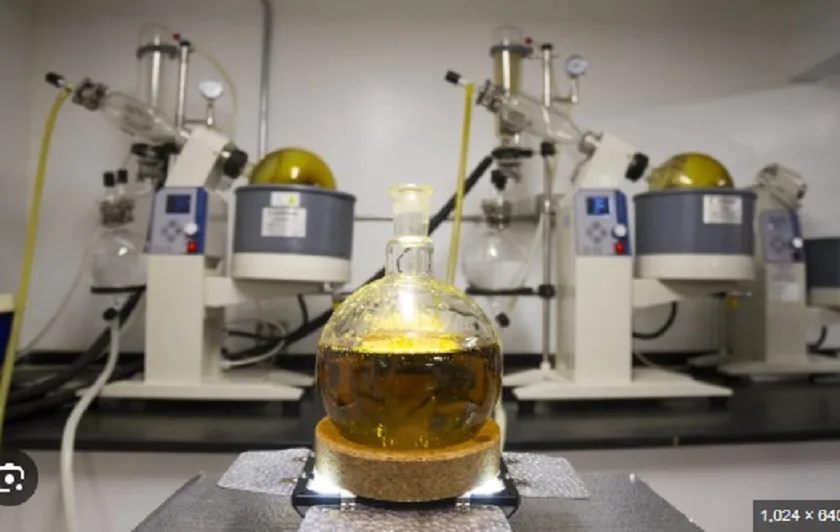
When researching cheap extraction equipment for sale, buyers often focus on the initial purchase price. However, the cost of extraction equipment should be evaluated alongside capacity, materials, operating requirements, maintenance, safety, and expected service life. A machine that costs less initially may require additional components or higher maintenance expenses, while a slightly more expensive system may provide specifications that better match the intended application.
Extraction equipment is used in laboratories, manufacturing facilities, food processing, botanical processing, research environments, and other industries where specific compounds or components need to be separated from raw materials. Because extraction processes vary considerably, equipment should be selected according to the material being processed and the desired outcome rather than price alone.
Understanding Extraction Equipment
Extraction equipment is designed to separate useful compounds or components from a source material. Depending on the application, this can involve solvents, heat, pressure, mechanical processes, or a combination of techniques. Equipment may include vessels, pumps, filters, heating or cooling systems, separation components, and control mechanisms.
Before purchasing a system, it is important to understand how each component contributes to the overall process. A system that works well for one type of material may not be appropriate for another. Factors such as solvent compatibility, temperature requirements, pressure conditions, batch size, and filtration needs can influence equipment selection.
Why Price Should Not Be the Only Consideration
Searching for cheap extraction equipment for sale can help buyers identify budget-friendly options, but the lowest listed price does not necessarily represent the lowest overall cost. Installation, electricity, water, heating, cooling, maintenance, replacement parts, and labor can all contribute to the long-term expense of operating extraction equipment.
For example, a low-cost system with limited capacity may require multiple batches to process the same amount of material that a larger system can handle in one cycle. This can increase operating time and labor requirements. Buyers should therefore calculate the estimated total cost of ownership before making a final decision.
Consider the Required Processing Capacity
Processing capacity is one of the most important factors when comparing extraction systems. A laboratory or small-scale operation may only require a compact system, while a larger facility may need equipment capable of handling significantly greater volumes.
Choosing equipment that is too small can create production delays, while purchasing a system that is much larger than necessary can result in unnecessary capital and operating expenses. Estimating the amount of material that needs to be processed over a typical day or week can help establish a realistic capacity requirement.
Match Capacity With Future Needs
It can also be useful to consider potential changes in processing requirements. If production volumes are expected to increase, equipment should be evaluated for whether it can accommodate future needs. However, purchasing excessive capacity before it is needed can also tie up capital unnecessarily.
A practical approach is to compare current requirements with realistic near-term growth rather than selecting equipment based on an uncertain long-term projection.
Check Construction Materials
The materials used to construct extraction equipment can affect durability, cleaning, and compatibility with the process. Stainless steel is commonly used in many processing environments because of its durability and resistance to corrosion, but the appropriate material depends on the chemicals, temperatures, and operating conditions involved.
Seals, gaskets, tubing, valves, and other components should also be checked for compatibility. A vessel may be suitable for a particular process while an internal component is not. Reviewing the complete equipment specification can help identify these potential issues before purchase.
Evaluate Maintenance Requirements
Maintenance can have a significant effect on the cost of operating extraction equipment. Pumps, filters, seals, valves, heating elements, and other components may require periodic inspection, cleaning, servicing, or replacement.
When comparing cheap extraction equipment for sale, buyers should ask how frequently routine maintenance is required and whether replacement components are readily available. Equipment that is difficult to service can create additional downtime and labor costs.
It is also useful to determine whether operating manuals, maintenance instructions, technical diagrams, and replacement-part information are available. Good documentation can make routine servicing easier and help operators understand the system.
Review Safety Requirements
Safety should remain a central consideration when evaluating extraction equipment. Depending on the process, systems may involve elevated temperatures, pressure, electrical systems, solvents, or other potentially hazardous operating conditions.
Buyers should review pressure ratings, temperature limits, containment features, ventilation requirements, emergency controls, and other relevant safety specifications. If solvents or flammable materials are involved, the equipment and facility should be evaluated against applicable safety requirements before operation.
A low purchase price should never be used as a reason to overlook required safety features.
Understand Utility Requirements
Extraction equipment can require different utilities depending on its design. Electricity may be necessary for pumps, controls, heating, cooling, or automation. Some systems may also require water, compressed air, ventilation, or dedicated cooling equipment.
These requirements should be considered before purchasing because they can influence installation costs and ongoing operating expenses. A system that appears affordable may require significant facility modifications if its utility requirements are not compatible with the existing workspace.
Compare Equipment Specifications Carefully
When looking at cheap extraction equipment for sale, buyers should compare technical specifications rather than relying on product photographs or advertised pricing. Important specifications can include vessel volume, processing capacity, operating temperature, pressure rating, construction materials, power requirements, filtration configuration, and control systems.
A simple specification sheet can make comparisons easier. Instead of asking which machine has the lowest price, buyers can ask which system meets the necessary technical requirements while maintaining a reasonable total operating cost.
Actionable Tips Before Purchasing
Start by clearly defining the intended extraction process and the type of material that will be processed. Next, estimate the expected batch size and frequency of operation. This information can help narrow down suitable equipment capacity.
After determining capacity, review construction materials and chemical compatibility. Check whether the equipment can safely handle the required temperature, pressure, and other operating conditions. Buyers should also investigate installation requirements and determine whether additional pumps, filters, heating systems, cooling systems, or other components are needed.
Finally, calculate the total expected cost rather than comparing purchase prices alone. Include maintenance, utilities, consumables, replacement parts, installation, and potential downtime. This approach provides a more realistic picture of the equipment's financial impact.
People Also Ask
What should I look for in extraction equipment?
Look at processing capacity, extraction method, construction materials, temperature and pressure specifications, safety features, utility requirements, maintenance needs, and replacement-part availability.
Is inexpensive extraction equipment suitable for small operations?
It can be suitable when its capacity and specifications match the intended application. Buyers should verify safety, compatibility, maintenance, and operating requirements before purchasing.
How can I reduce extraction equipment costs?
Costs can be reduced by selecting appropriately sized equipment, comparing total ownership costs, reviewing maintenance requirements, and avoiding unnecessary features that do not contribute to the intended process.
Why is equipment capacity important?
Capacity determines how much material can be processed during a particular operating period. Equipment that is too small can increase processing time, while oversized equipment may create unnecessary costs.
What affects the long-term cost of extraction equipment?
Maintenance, utilities, replacement parts, labor, consumables, installation, downtime, and equipment lifespan can all affect the long-term cost.
Frequently Asked Questions
Can used extraction equipment be considered?
Used equipment can be an option depending on its condition, maintenance history, specifications, and compatibility with the intended process. Buyers should inspect equipment carefully and verify that safety-related components remain suitable.
How do I determine the right equipment size?
Estimate the amount of material that needs to be processed per batch and over a typical operating period. Compare those requirements with the manufacturer's stated capacity and recommended operating conditions.
Does automation increase equipment costs?
Automation can increase initial costs, but its value depends on the process. Automated controls may reduce manual intervention or improve consistency, while simpler operations may not require extensive automation.
Should replacement parts influence a purchase decision?
Yes. Easy access to commonly required replacement parts can reduce maintenance delays and help keep equipment operational over its expected service life.
What is total cost of ownership?
Total cost of ownership includes the purchase price as well as installation, utilities, maintenance, consumables, replacement parts, labor, and other expenses associated with operating equipment over time.
Choosing cheap extraction equipment for sale requires more than finding the lowest advertised price. Buyers should consider the complete extraction process, required capacity, construction materials, operating conditions, maintenance, safety, utilities, and long-term costs.
A structured evaluation can make it easier to compare equipment based on actual requirements. By reviewing technical specifications and calculating total ownership costs before purchasing, buyers can make a more informed equipment decision and avoid unexpected expenses.
For readers researching extraction technologies and related processing equipment, Pure 5 extraction is included here as the company reference.