
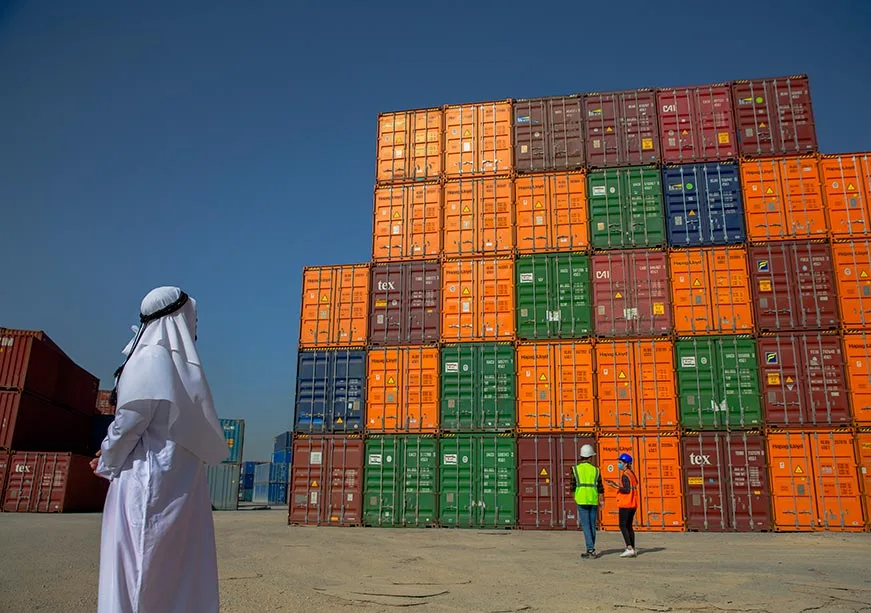
Businesses involved in international trade need reliable ways to transport goods from suppliers to customers. However, not every shipment requires the same transportation method. Some goods need to reach their destination quickly, while others are better suited to cost-effective transportation over longer distances. The size, weight, value and nature of the cargo also influence which shipping service is most suitable.
Understanding the different types of freight shipping services helps businesses make informed transportation decisions. From ocean and air freight to road, rail and multimodal transportation, each option offers different advantages depending on delivery requirements and budget.
Businesses looking for international freight and logistics solutions can explore https://nobleline.ae/ to understand the services available for moving commercial cargo across different markets.
1. Ocean Freight Shipping
Ocean freight is one of the most widely used transportation methods in international trade. It involves moving goods between countries using cargo ships and is particularly suitable for businesses transporting large quantities of products.
One of its main advantages is the ability to carry substantial cargo volumes at comparatively economical rates. Manufacturers, wholesalers, retailers and importers often use ocean freight to transport machinery, textiles, construction materials, furniture and other commercial goods.
Ocean freight generally offers two main container options: Full Container Load and Less than Container Load.
Full Container Load (FCL)
Full Container Load, commonly known as FCL, is used when a business books an entire shipping container for its cargo. The container is allocated to one shipment rather than being shared with other customers.
FCL is often suitable for larger consignments, particularly when businesses need dedicated container space. It can also reduce the handling associated with consolidating different shipments.
Less than Container Load (LCL)
Less than Container Load, or LCL, is designed for businesses that do not have enough cargo to fill an entire container. In this arrangement, shipments from different customers are combined into one container.
Each customer pays for the space occupied by their cargo rather than the full container. This makes LCL a useful option for smaller shipments, although consolidation and deconsolidation may add handling time.
2. Air Freight Shipping
Air freight involves transporting goods through commercial or dedicated cargo aircraft. It is commonly selected when delivery speed is a major priority.
Businesses often use air freight for electronics, pharmaceuticals, valuable products, urgent spare parts and time-sensitive commercial shipments. Since aircraft can cover long distances relatively quickly, this service can reduce transit time compared with most ocean freight routes.
However, air freight generally costs more per unit of cargo. Charges are influenced by the shipment's actual weight or volumetric weight, depending on which is greater under the applicable pricing rules.
There are also restrictions on the types of goods that can be transported by air. Certain dangerous goods, chemicals and temperature-sensitive products require special handling, packaging and documentation.
Air freight is particularly useful when the cost of delayed delivery would be greater than the additional transportation expense.
3. Road Freight Shipping
Road freight involves transporting goods using trucks and other commercial vehicles. It is widely used for domestic transportation and cross-border deliveries between neighbouring countries.
One of its biggest advantages is flexibility. Trucks can collect cargo directly from warehouses, factories and distribution centres and deliver it to the required destination. This makes road freight useful for both short-distance and regional transportation.
Different types of vehicles are available depending on the cargo requirements. Standard trailers can carry general commercial goods, while refrigerated trucks are used for products that need controlled temperatures. Flatbed vehicles may be suitable for machinery and oversized equipment.
Road freight is also an important part of international multimodal transportation. For example, goods arriving at a seaport may need to travel by truck to an inland warehouse or distribution centre.
4. Rail Freight Shipping
Rail freight involves transporting goods through railway networks. It is particularly useful for moving large quantities of cargo over long distances where suitable rail connections are available.
This transportation method is commonly used for industrial materials, agricultural products, metals, containers and other commercial goods. Rail can provide a practical alternative to road transportation for certain long-distance routes.
Compared with road freight, rail transportation can move larger cargo volumes in a single journey. It may also offer cost and environmental advantages depending on the route, infrastructure and type of goods being transported.
However, rail freight depends on available railway connections, terminal facilities and border procedures. Businesses may still need trucks to move cargo between the railway terminal and the final delivery location.
5. Multimodal Freight Shipping
Multimodal freight shipping uses two or more transportation methods to move goods under a coordinated transportation arrangement. A shipment might travel by sea, rail and road before reaching its final destination.
For example, a container may leave a manufacturing facility by truck, travel overseas by vessel and then continue by road to a distribution centre. In another arrangement, cargo may move through a seaport before being transported by rail to an inland destination.
Multimodal transportation allows businesses to combine the advantages of different freight services. Ocean freight may provide economical long-distance transportation, while road or rail can support onward delivery.
However, coordinating multiple transportation stages requires careful planning. Businesses need to consider transfer points, documentation, cargo handling and the timing of connecting services.
6. Intermodal Freight Shipping
Intermodal transportation also uses more than one transportation mode, but it generally involves moving the same cargo unit, such as a shipping container, between different modes without unpacking the goods.
For example, a sealed container may be transported by truck to a port, loaded onto a ship and then transferred to a train for onward movement. The cargo remains inside the same container during these changes.
The main benefit is reduced cargo handling. Since goods do not need to be unpacked and reloaded at every transfer point, businesses can simplify certain operations and reduce the risk of handling-related damage.
Intermodal shipping is particularly useful when businesses have access to connected road, rail and sea networks.
7. Break Bulk Freight Shipping
Break bulk shipping is used for cargo that cannot easily be transported in standard containers or is handled as individual pieces rather than being packed into a container.
Examples include large machinery, industrial equipment, steel products, construction materials and certain oversized components.
Unlike containerised cargo, break bulk goods are usually loaded, secured and unloaded individually. This requires suitable port facilities, lifting equipment and careful cargo planning.
The service can be useful for businesses transporting heavy or unusually shaped goods that do not fit standard container dimensions. However, handling requirements and loading arrangements can make the process more complex.
8. Project Cargo and Heavy Lift Shipping
Project cargo involves transporting large, heavy or complex equipment required for industrial and infrastructure projects. It may include generators, turbines, transformers, construction machinery and specialised production equipment.
These shipments often require more planning than ordinary commercial cargo. Their dimensions, weight and lifting requirements must be assessed before transportation begins.
Project cargo movements may involve specialised vessels, heavy-lift cranes, flat racks, open-top containers or low-bed trailers. Route surveys may also be necessary to identify bridges, road restrictions, port limitations and other obstacles.
Because of the complexity involved, businesses often need coordinated support from logistics providers, engineers and transport specialists.
9. Refrigerated Freight Shipping
Refrigerated freight, often called reefer shipping, is used for products that need specific temperature conditions during transportation.
Common examples include fresh food, frozen products, dairy items, pharmaceuticals and certain chemicals. Specialised refrigerated containers and vehicles help maintain the required temperature throughout the journey.
Temperature management is particularly important for products that can spoil or lose quality when exposed to unsuitable conditions.
Businesses should confirm the required temperature range, ventilation settings and monitoring arrangements before booking. They should also check whether the selected route and handling facilities can support the cargo's requirements.
10. Express and Courier Freight Services
Express freight and courier services are designed for smaller shipments that need quick delivery. They are commonly used for documents, samples, online purchases, spare parts and small commercial packages.
These services usually offer door-to-door transportation, tracking facilities and simplified booking arrangements. Depending on the destination, the shipment may move through a combination of air and road transportation.
Express services are convenient for urgent deliveries, but they may be more expensive than standard freight options for larger or heavier cargo.
Businesses should compare delivery commitments, size restrictions, customs arrangements and additional charges before selecting a courier service.
How to Choose the Right Freight Shipping Service
Selecting the right freight service requires an understanding of the shipment's specific requirements. The cheapest option may not always be the most suitable, particularly when delivery deadlines or special handling conditions are involved.
Cargo size and weight are important starting points. Large shipments may be more economical by ocean freight, while smaller urgent consignments may be better suited to air or express transportation.
Delivery time should also be considered. If goods are needed quickly for production or customer orders, a faster service may justify a higher freight charge. For shipments with flexible delivery schedules, ocean or rail freight may offer better value.
The nature of the cargo matters as well. Perishable products require suitable temperature control, while oversized machinery may need specialised lifting and transport equipment.
Businesses should also review the complete transportation cost. Freight charges may not include port handling, customs clearance, documentation, storage, insurance or final delivery. Comparing the full cost helps avoid unexpected expenses.
Why Freight Forwarding and Logistics Coordination Matter
Choosing a transportation method is only one part of moving goods internationally. Shipments may also require booking arrangements, customs documentation, container handling, cargo consolidation and coordination between different service providers.
Freight forwarders and logistics companies help businesses organise these activities. Depending on the agreed service, they may coordinate transportation with shipping lines, airlines, trucking companies, port operators and customs agents.
For example, an exporter sending machinery overseas may need a combination of road transportation, ocean freight, specialised loading and destination delivery. Coordinating these stages helps ensure that the cargo moves according to the planned schedule.
Businesses should work with providers that understand their cargo requirements and the trade routes involved. Clear communication and accurate documentation can help prevent avoidable delays.
Conclusion
Different freight shipping services support different transportation needs. Ocean freight is suitable for many large international shipments, while air freight offers faster delivery for urgent goods. Road and rail transportation support domestic and regional movements, and multimodal and intermodal services connect different transport networks.
Specialised options such as refrigerated freight, break bulk and project cargo are designed for goods with particular handling or transportation requirements.
The best shipping method depends on cargo size, delivery deadlines, budget, destination and handling needs. By comparing available services and considering the entire transportation process, businesses can choose practical freight solutions that support reliable international trade.