Installing a borewell is a major decision for farmers, homeowners and businesses that need access to groundwater. The work involves drilling, selecting suitable pipe sections and arranging the system according to the site. Choosing the wrong boring pipe can create installation difficulties and may lead to additional expenses.
A careful buying decision begins with understanding the borewell requirements rather than selecting a pipe based only on price.
Start with the Borewell Requirements
Before contacting a supplier, speak with the drilling contractor and collect the basic project details. The borewell depth, diameter, ground formation and intended use can influence the type of pipe required.
For example, a borewell in loose soil may need a different casing arrangement from one drilled through a stable rock formation. The correct design should be determined after considering the actual site.
Five Mistakes to Avoid
1. Buying Without Confirming the Diameter
Pipe diameter should match the borewell design. Purchasing a size without checking the drilling plan can result in compatibility problems during installation.
2. Ignoring Material Specifications
Different pipe materials have different properties. Check the product's intended application, dimensions, wall thickness and technical information. Do not assume that every pipe is suitable for every depth or ground condition.
3. Focusing Only on the Purchase Price
A low purchase price may appear attractive, but the product must still meet the project's requirements. Compare specifications, expected service conditions and the total quantity required before making a decision.
4. Overlooking Joint Design
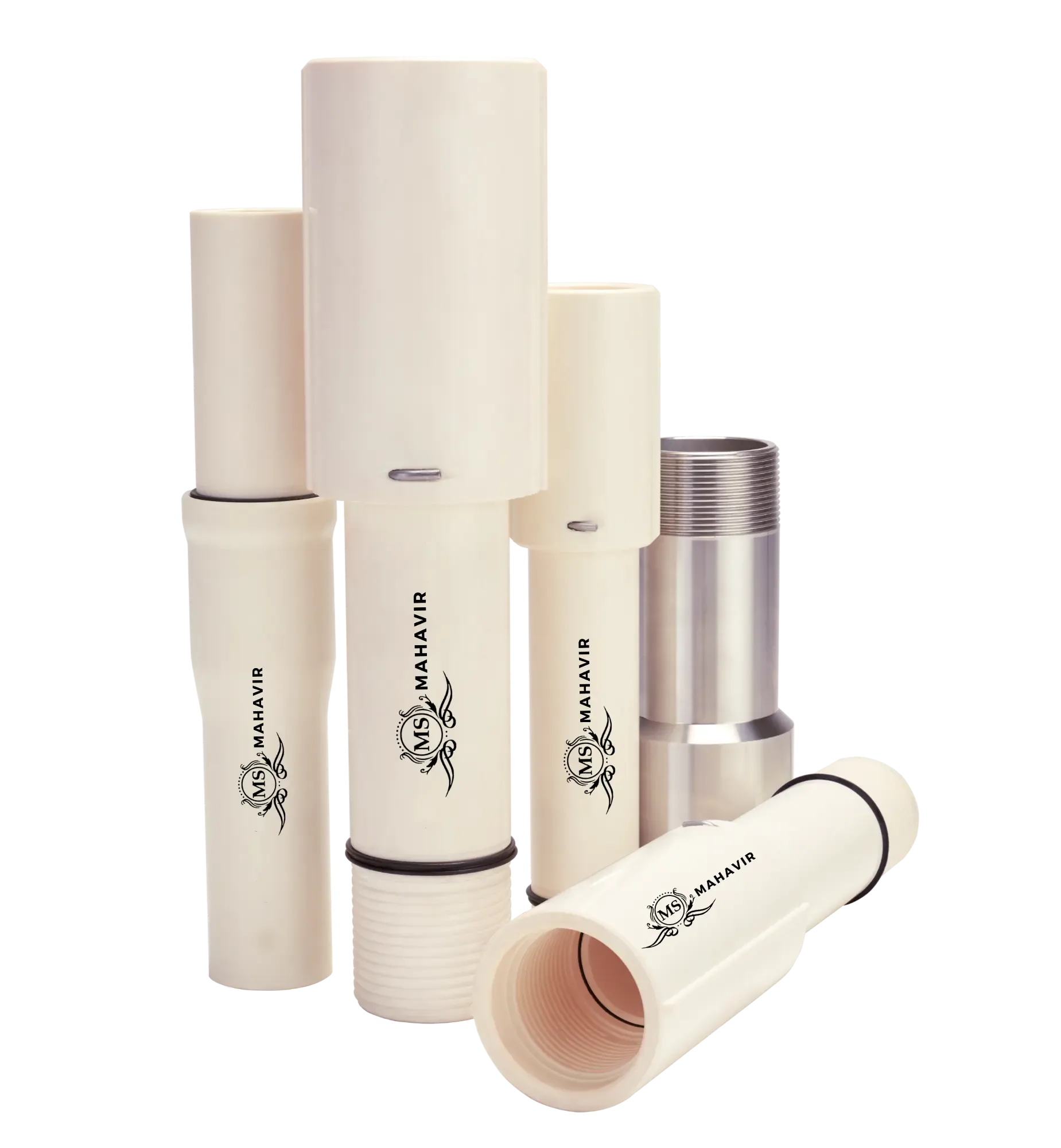
Pipe sections need suitable connections. Damaged ends, incompatible joints or incorrect installation methods can affect the borewell arrangement. Confirm the joining procedure before starting work.
5. Ordering the Wrong Quantity
The required quantity depends on borewell depth, section length and the installation design. Ask the contractor to calculate the total requirement and include any additional sections needed for the planned arrangement.
Storage and Handling Before Installation
Keep pipe sections on a suitable, level surface and follow the manufacturer's storage instructions. Avoid dragging them across rough ground or placing heavy materials on top. Inspect each section before installation and do not use visibly damaged components.
Questions to Ask Your Supplier
Before finalising the order, ask about available diameters, material specifications, joint type, intended applications and product documentation. Share the borewell details so the supplier can help identify whether the selected product matches the project.
Mahavir Group provides pipe solutions for different customer requirements. Buyers planning a borewell can review the available product details and discuss the required dimensions before purchasing.
Conclusion
A successful borewell project needs suitable drilling work and carefully selected pipe components. Confirm the depth, diameter, soil conditions, material and joint design before buying boring pipe. Avoiding common purchasing mistakes can help reduce delays and unnecessary expenses during installation.
Frequently Asked Questions
1. What information should I provide before buying boring pipe?
Share the borewell depth, diameter, ground conditions and intended application.
2. Is a cheaper boring pipe always a good choice?
No. The pipe must meet the technical requirements of the borewell, regardless of its price.
3. Why should I check pipe joints?
The joints connect individual sections, so compatibility and correct installation are important.
4. How should boring pipes be stored?
Follow the manufacturer's instructions and protect the pipes from damage during storage and handling.
5. Who can help me select boring pipe?
A borewell contractor or knowledgeable pipe supplier can help assess the project requirements.