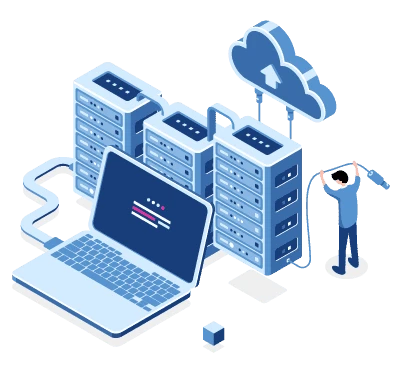
A server backup appliance is a critical component of any robust data protection strategy. These dedicated hardware devices, often integrated with specialized software, provide a comprehensive solution for backing up and restoring server data. In the event of data loss due to hardware failure, cyberattacks, or human error, a reliable backup appliance ensures business continuity and minimizes downtime. This guide details the essential criteria for selecting the right server backup appliance for your organization's needs.
Key Features to Look For
When evaluating server backup appliances, several key features are critical for ensuring effect`ive data protection and efficient operation.
Storage Capacity
The appliance must have sufficient storage to accommodate your organization's data volume, both now and in the future. Consider your current data footprint and project future growth. An ideal appliance should offer scalable storage options, allowing you to expand capacity as your data requirements increase without needing to replace the entire unit.
Backup Speed and Performance
The speed at which the appliance can perform backups and restores is a crucial performance metric. High-speed data transfer rates minimize the impact on network performance and reduce the backup window. Look for features like incremental backup capabilities and data deduplication, which significantly decrease the amount of data transferred and stored, thereby improving overall speed and efficiency.
Ease of Use and Management
A server backup appliance should simplify, not complicate, your data protection processes. An intuitive user interface and centralized management console are essential for easy configuration, monitoring, and management of backup jobs. The system should provide clear reporting and alerting to keep administrators informed of the status of backups and any potential issues.
Security
Data security is paramount. The appliance must include robust security features to protect backup data from unauthorized access and cyber threats. Key security measures include strong encryption for data both in transit and at rest, ransomware detection and protection, and secure access controls to ensure that only authorized personnel can manage the backups.
Types of Server Backup Appliances
Server backup appliances are available in various configurations to meet different business requirements.
- Small Business Appliances: These are typically compact, all-in-one units designed for smaller environments. They offer straightforward functionality and are easy to deploy and manage, making them suitable for organizations with limited IT resources.
- Mid-Range Appliances: Aimed at medium-sized enterprises, these appliances provide a balance of performance, scalability, and advanced features. They often support a wider range of applications and operating systems and offer greater storage capacity.
- Enterprise-Grade Appliances: Designed for large organizations with complex IT infrastructures, these high-performance systems offer maximum scalability, advanced data management features, and integration with enterprise-level disaster recovery solutions.
Benefits of Using a Server Backup Appliance
Integrating a dedicated server backup appliance into your IT infrastructure offers significant advantages over software-only or cloud-only backup solutions.
- Quick Recovery: Since the appliance is on-premises, it enables rapid data recovery. In the event of a server failure, you can restore data directly from the local appliance, drastically reducing the Recovery Time Objective (RTO).
- Centralized Management: An appliance provides a single point of control for all backup and recovery operations. This centralized approach simplifies management, reduces administrative overhead, and ensures consistent application of backup policies across all servers.
- Reliability and Performance: These devices are purpose-built for backup and recovery, meaning their hardware and software are optimized for performance and reliability. This reduces the likelihood of failed backups and ensures data integrity.
Key Considerations Before Purchase
Before making a final decision, consider the following factors to ensure the appliance aligns with your operational and strategic goals.
- Budget: Determine your budget, but consider the total cost of ownership (TCO), which includes the initial purchase price, ongoing maintenance, support subscriptions, and potential expansion costs.
- Compatibility: Verify that the appliance is compatible with your existing IT environment, including operating systems (Windows, Linux, etc.), hypervisors (VMware, Hyper-V), and specific business applications.
- Scalability: Choose an appliance that can grow with your business. Assess its ability to scale in terms of storage capacity, performance, and feature set to meet long-term data growth and evolving business needs.
Securing Your Organization's Data
Selecting the right server backup appliance is a fundamental step in building a resilient IT infrastructure. By carefully evaluating features such as storage capacity, performance, ease of use, and security, and by considering your specific budget and compatibility requirements, you can implement a solution that effectively protects your critical data. A well-chosen appliance not only guards against data loss but also streamlines your data management processes, providing a solid foundation for business continuity.