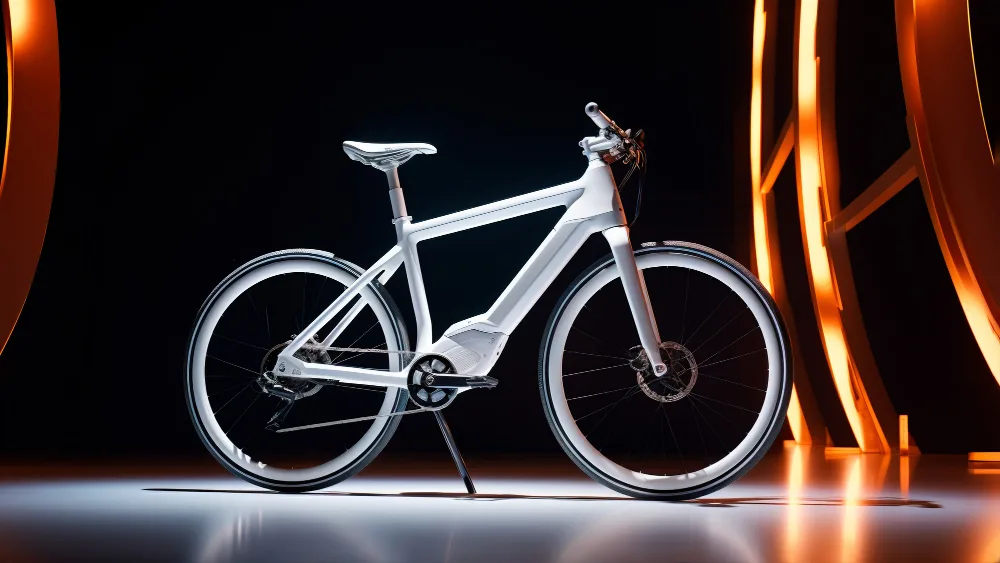
We hear from a lot of riders who've just brought home one of our E-Bikes and realize pretty quickly that the bike itself is only part of what makes a daily commute work. Getting to the office with a laptop, a change of clothes, and lunch is a different challenge from a quick weekend spin, and the gear you choose around the bike ends up shaping how smooth or frustrating that routine feels.
The good news is that putting together a reliable commuting setup doesn't need to be complicated or expensive. It mostly comes down to three things: a rack that carries weight properly, a bag that suits what you actually haul, and a lock that gives you real peace of mind when you step away from the bike. Let's go through each one.
Start With a Rack That Can Handle the Load
A rear rack is the foundation of most commuting setups, since it moves weight off your back and down onto the bike where it belongs. The first thing worth checking is the rack's weight rating, because an e-bike's extra frame reinforcement and the added weight of the battery and motor mean the rack needs to be compatible with your specific bike. It's also worth confirming that your frame has the right mounting points, since some bikes are built with rack mounts included and others need adapters.
Placement matters too. A rack mounted too far back can make the bike feel tail heavy, especially on a bike that already carries a battery low on the frame or near the rear wheel. Keeping your heavier items close to the frame and low on the rack helps the bike stay balanced and predictable when you're turning, braking, or riding in wind.
Choose Bags Based on What You Actually Carry
Panniers, which hang on either side of the rear rack, are a popular pick for commuters because they carry a lot while keeping the weight low and evenly balanced. A rack-top bag works well if you carry less, and it's often quicker to take on and off when you're heading straight into a building. The best choice depends on whether you're hauling a laptop and a few essentials or something closer to a full grocery run on the way home.
Weather deserves real attention here. A bag that looks waterproof but isn't fully sealed can leave a laptop soaked after one rainy ride, so it's worth looking for roll-top closures or properly sealed seams. It also helps to pick bags with reflective details, since commuting often means riding in low light at the start or end of the day.
Pick a Lock That Matches Where You Park
Locks are the part riders most often underestimate, and for an e-bike it's worth spending a bit more thought here since the bike represents a larger investment than a standard bicycle. A solid U-lock is generally a strong everyday choice, and many commuters pair it with a second lock, such as a folding or chain lock, to secure the wheels and add another layer of difficulty for anyone with bad intentions. Using two different types of lock makes it much harder for a thief to bring a single tool that defeats both.
How you lock matters as much as what you use. Secure the frame, and ideally a wheel, to something fixed and sturdy in a well lit, busy area, keeping the lock off the ground where possible. If your battery is removable, taking it with you when you park is a simple habit that protects an expensive part of the bike and makes the bike less appealing to steal.
Add the Small Things That Make Commuting Easier
Beyond racks, bags, and locks, a few small additions go a long way. Fenders keep spray off your clothes on wet roads, and lights front and back keep you visible and seen, which matters more than people expect during shorter winter days. These aren't flashy additions, but they're the things that make a commute feel easy rather than like something you have to prepare for each morning.
It also helps to think about the whole setup as a system rather than a pile of separate purchases. A rack, bag, and lock that fit together and suit your route will serve you better than a collection of random pieces that never quite work as a set.
Build It Around Your Routine
A well planned e-bike commuting setup isn't about buying the most gear, it's about matching what you carry and where you park to your actual daily routine. Start with a solid rack, choose a bag that suits your load and your weather, and invest in a lock that gives you confidence when you walk away.
Once those three pieces are in place, the rest tends to fall into line quickly. Adjust as you learn what your commute actually asks of you, and you'll end up with a setup that feels natural and keeps the ride the easy part of your day.