Decentralized exchanges (DEXs) have transformed how digital assets are traded by removing intermediaries and enabling peer-to-peer transactions powered by smart contracts. Platforms like Uniswap have demonstrated that liquidity, transparency, and automation can coexist without centralized control, creating a new paradigm in financial infrastructure. Businesses and developers exploring Decentralized Exchange Development are increasingly drawn to this model due to its resilience, user autonomy, and global accessibility. Building a DEX is not just about writing smart contracts—it requires a strategic blend of blockchain architecture, security practices, user experience design, and token economics. This guide provides a comprehensive breakdown of the technical and strategic steps involved in creating a decentralized exchange similar to Uniswap, focusing on clarity, depth, and practical insight.
Understanding the Core Architecture of a Decentralized Exchange
A decentralized exchange operates through a layered architecture that replaces centralized control with automated, blockchain-based processes. This structure ensures transparency, security, and continuous availability without relying on intermediaries. For teams involved in Decentralized Exchange Development, understanding how these components interact is essential for building a stable and scalable platform. From liquidity pools to governance mechanisms, each element contributes to seamless trading experiences while maintaining decentralization. A strong architectural foundation not only supports performance but also enables future enhancements and integrations within the broader decentralized finance ecosystem.
- Automated Market Maker (AMM) Model
Instead of traditional order books, AMMs use liquidity pools where users trade against pooled assets. Prices are determined algorithmically based on supply and demand within the pool. This model ensures continuous liquidity without requiring buyers and sellers to match directly. - Smart Contracts as the Backbone
Smart contracts handle all trading logic, including swaps, liquidity provision, and fee distribution. These contracts must be immutable, transparent, and rigorously tested to avoid vulnerabilities that could compromise funds or operations. - Liquidity Pools and Token Pairs
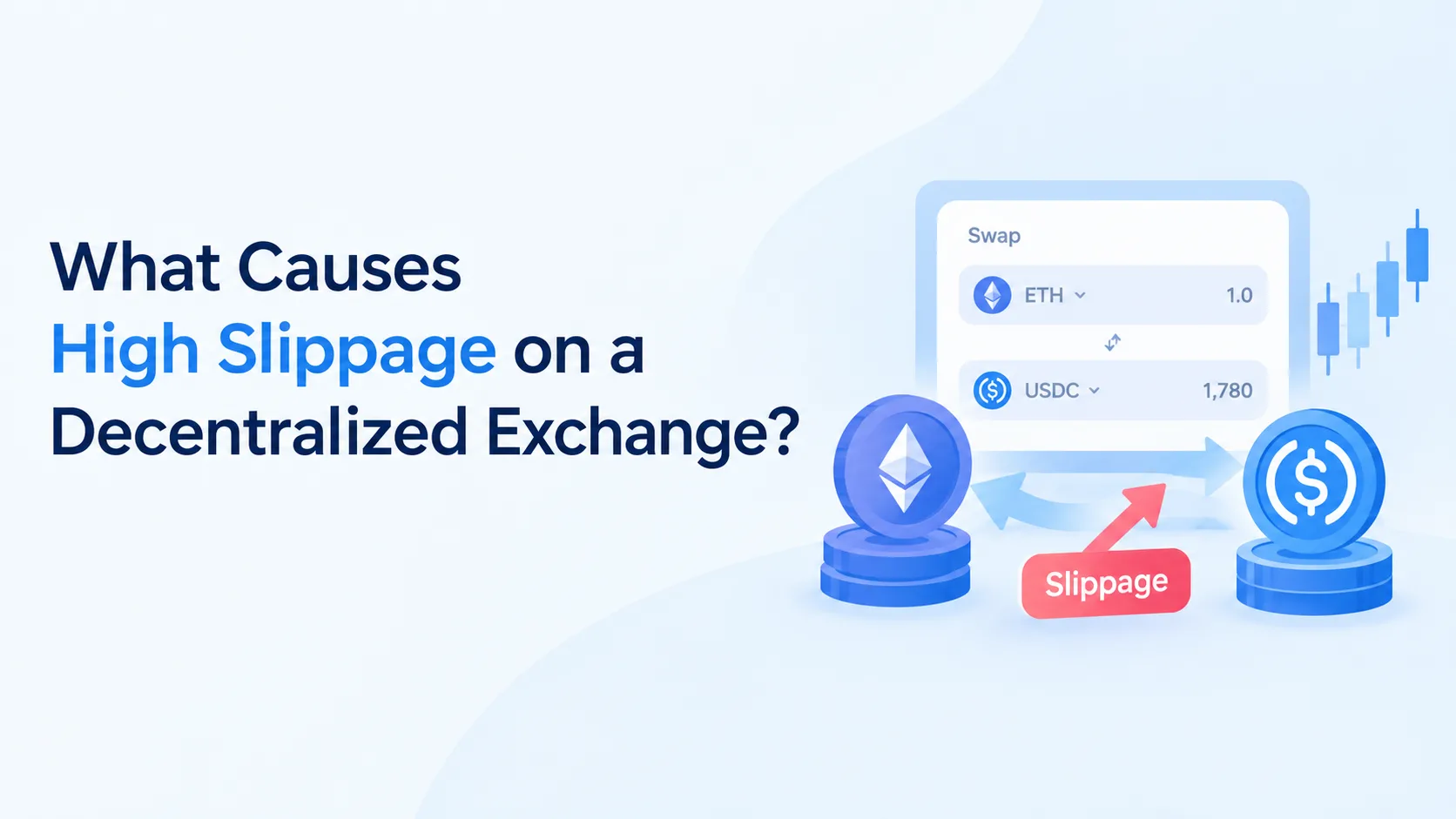
Liquidity providers deposit token pairs into pools, enabling trading between those assets. In return, they earn a share of transaction fees. Efficient pool design ensures minimal slippage and competitive pricing for users. - Decentralized Governance Mechanisms
Many DEXs incorporate governance tokens that allow the community to vote on protocol changes. This creates a participatory ecosystem where stakeholders influence development decisions.
Choosing the Right Blockchain Platform
Selecting the appropriate blockchain is a critical decision that directly influences the performance, scalability, and cost-efficiency of your exchange. In Decentralized Exchange Development, the choice of network determines transaction speed, gas fees, and compatibility with existing tools and ecosystems. Developers must evaluate multiple factors, including consensus mechanisms, security standards, and community adoption. A well-chosen blockchain platform provides the technical backbone needed to support high transaction volumes while ensuring reliability. It also impacts user experience, making it essential to align the platform’s capabilities with the expectations of your target audience.
- Ethereum and Layer 2 Solutions
Ethereum remains the most widely used platform for DEXs due to its mature ecosystem and developer tools. However, high gas fees have led to the adoption of Layer 2 solutions like Optimism and Arbitrum to improve efficiency. - Alternative Blockchains
Networks such as Binance Smart Chain, Solana, and Polygon offer lower fees and faster transactions. Each comes with trade-offs in decentralization, security, and ecosystem maturity that must be evaluated carefully. - Interoperability Considerations
Cross-chain compatibility is becoming increasingly important. Supporting multiple blockchains can expand your user base and liquidity but requires additional infrastructure and security layers. - Developer Ecosystem and Tooling
A strong ecosystem with robust libraries, documentation, and community support accelerates development and reduces technical friction.
Designing Smart Contracts for Security and Efficiency
Smart contracts form the operational core of any decentralized exchange, executing transactions and enforcing rules without human intervention. In Decentralized Exchange Development, designing secure and efficient contracts is essential to protect user funds and maintain trust. Poorly written code can expose the platform to vulnerabilities, making rigorous testing and optimization a priority. Developers must balance functionality with performance, ensuring that contracts are both reliable and cost-effective. By focusing on modular design and robust security practices, teams can build a resilient foundation that supports long-term growth and innovation.
- Modular Contract Design
Breaking contracts into smaller, reusable modules improves maintainability and reduces the risk of errors. This approach also simplifies upgrades and testing processes. - Security Audits and Testing
Comprehensive audits by third-party firms are essential before deployment. Automated testing, including unit and integration tests, ensures that contract logic behaves as expected under various scenarios. - Gas Optimization Techniques
Efficient code reduces transaction costs for users. Techniques such as minimizing storage operations and optimizing loops can significantly improve performance. - Fail-Safe Mechanisms
Emergency stop functions and upgradeable proxies can provide additional layers of protection in case vulnerabilities are discovered post-deployment.
Building the User Interface and Experience
The success of a decentralized exchange depends heavily on how users interact with it. A well-crafted interface bridges the gap between complex blockchain operations and user-friendly experiences. In Decentralized Exchange Development, prioritizing usability ensures that both beginners and experienced traders can navigate the platform with ease. Clear design, intuitive workflows, and responsive performance contribute to higher user retention and satisfaction. By focusing on accessibility and real-time feedback, developers can create an environment where users feel confident managing their assets and executing trades efficiently.
- Simplified Trading Experience
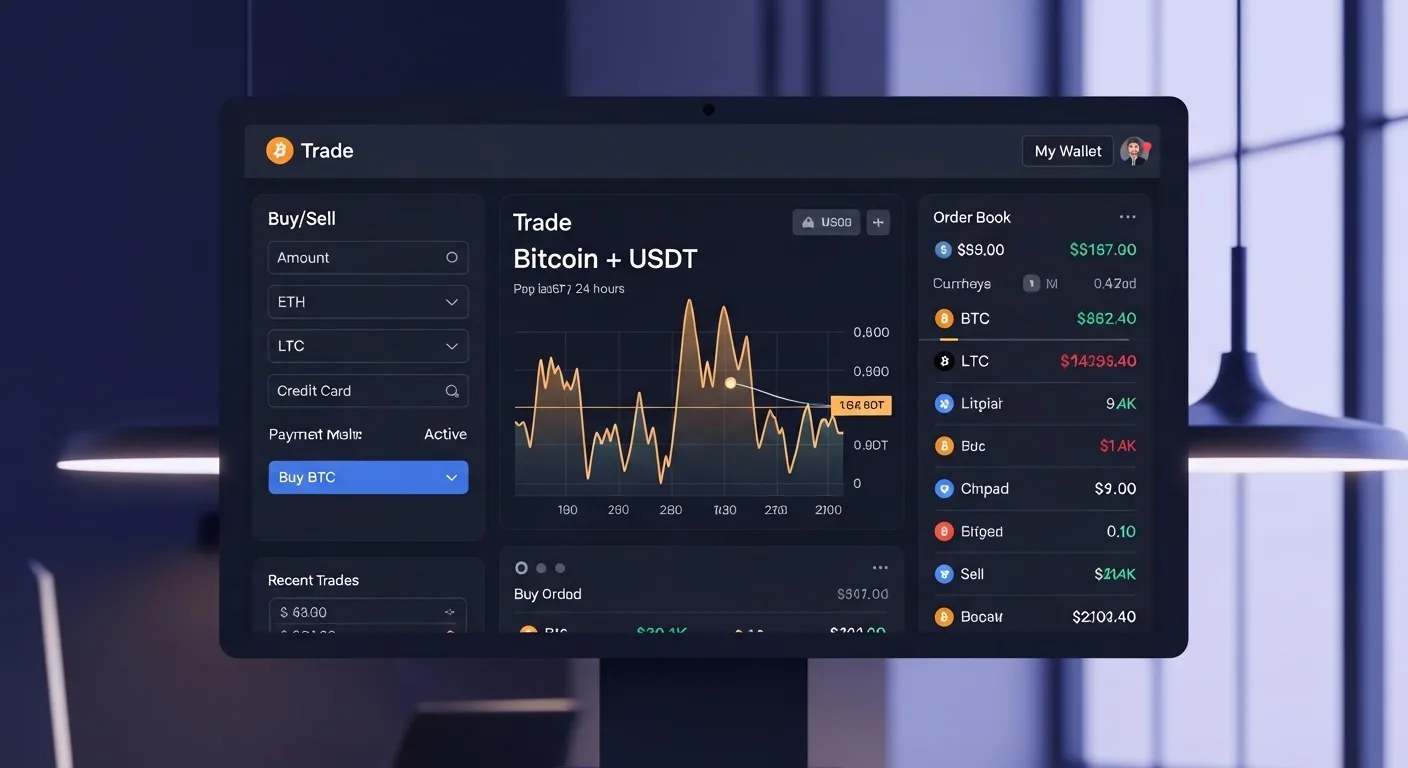
Users should be able to swap tokens with minimal steps. Clear navigation, real-time price updates, and transparent fee structures enhance usability. - Wallet Integration
Seamless integration with popular wallets like MetaMask and WalletConnect ensures easy onboarding. Secure authentication methods are critical for user trust. - Responsive Design Across Devices
The platform should function smoothly on desktops, tablets, and mobile devices. Consistency across devices improves accessibility and engagement. - Real-Time Analytics and Data Visualization
Providing charts, liquidity metrics, and transaction history helps users make informed decisions and builds confidence in the platform.
Implementing Liquidity Mechanisms
Liquidity is a defining factor in the efficiency and success of any decentralized exchange. Without adequate liquidity, users face higher slippage and reduced trading opportunities. In Decentralized Exchange Development, designing effective liquidity mechanisms ensures smooth transactions and competitive pricing. Developers must create incentives that attract and retain liquidity providers while maintaining balance within the ecosystem. Strategic planning in this area not only enhances user experience but also strengthens the platform’s overall stability and growth potential in a competitive decentralized finance landscape.
- Incentivizing Liquidity Providers
Offering rewards such as trading fees and governance tokens encourages users to supply liquidity. Balanced incentives prevent excessive inflation or unsustainable rewards. - Dynamic Fee Structures
Adjusting fees based on market conditions can optimize liquidity and trading activity. Lower fees attract traders, while higher fees reward liquidity providers. - Impermanent Loss Mitigation
Educating users and implementing strategies to reduce impermanent loss can improve participation. Advanced models may include insurance mechanisms or hybrid AMMs. - Liquidity Mining Programs
Time-limited reward campaigns can boost initial adoption and help establish strong liquidity pools during early stages.
Ensuring Security and Compliance
Security and compliance are essential pillars in maintaining trust and credibility in decentralized exchanges. In Decentralized Exchange Development, safeguarding user assets and ensuring transparent operations are top priorities. Developers must implement multiple layers of protection, from smart contract audits to proactive monitoring systems. At the same time, understanding regulatory frameworks helps avoid legal challenges and supports sustainable growth. By combining strong security practices with compliance awareness, platforms can build confidence among users and stakeholders while maintaining operational integrity.
- Smart Contract Audits
Independent audits identify vulnerabilities and ensure compliance with best practices. Regular re-audits are recommended after updates. - Bug Bounty Programs
Encouraging ethical hackers to identify issues can significantly enhance security. Incentives motivate the community to participate in safeguarding the platform. - Regulatory Awareness
While DEXs operate in a decentralized manner, understanding regional regulations helps avoid legal complications and ensures long-term viability. - Data Privacy Measures
Protecting user data, even in decentralized systems, is essential. Minimal data collection and secure storage practices enhance trust.
Tokenomics and Governance Strategy
Tokenomics plays a crucial role in shaping the economic structure and sustainability of a decentralized exchange. In Decentralized Exchange Development, a well-designed token model aligns incentives among users, developers, and investors. Governance mechanisms further empower the community to participate in decision-making processes, fostering transparency and trust. By carefully planning token distribution, utility, and reward systems, developers can create a balanced ecosystem that encourages long-term engagement and growth while minimizing risks associated with centralization or misuse.
- Utility of the Native Token
Tokens can be used for governance, staking, and fee discounts. Clear utility drives demand and engagement within the ecosystem. - Distribution Models
Fair and transparent token distribution prevents centralization and builds community trust. Options include airdrops, liquidity mining, and initial offerings. - Governance Frameworks
Voting mechanisms allow token holders to influence protocol changes. Transparent governance fosters community involvement and long-term commitment. - Incentive Alignment
Balancing rewards between developers, investors, and users ensures ecosystem stability and prevents exploitation.
Deployment and Continuous Improvement
Launching a decentralized exchange marks the transition from development to real-world application, but ongoing refinement is essential for sustained success. In Decentralized Exchange Development, continuous improvement ensures that the platform adapts to evolving user needs and technological advancements. Monitoring performance, gathering feedback, and implementing updates are key to maintaining competitiveness. A proactive approach to upgrades and community engagement helps identify opportunities for innovation while addressing potential challenges, ensuring the platform remains reliable, secure, and relevant over time.
- Testnet Deployment and Feedback
Deploying on testnets allows developers to identify issues and gather user feedback before the mainnet launch. Iterative improvements enhance reliability. - Monitoring and Analytics
Tracking user activity, transaction volumes, and liquidity trends helps identify growth opportunities and potential issues. - Regular Updates and Upgrades
Introducing new features and optimizing performance keeps the platform relevant. Upgrade mechanisms must be secure and transparent. - Community Engagement
Active communication with users through forums and social channels builds trust and encourages long-term participation.
Conclusion
Building a decentralized exchange like Uniswap requires a comprehensive approach that combines technical expertise, strategic planning, and user-focused design. Each stage, from architecture and blockchain selection to liquidity strategies and governance, contributes to the platform’s overall effectiveness. Decentralized Exchange Development is an evolving process that demands continuous optimization, security enhancements, and community engagement. By prioritizing transparency, efficiency, and innovation, developers can create a decentralized exchange that not only meets current market expectations but also adapts to future advancements in the decentralized finance ecosystem.