Decorating with artificial flowers has come a long way. Today’s high-quality faux blooms are designed to closely mimic their real counterparts, making them a practical and stylish option for homes, offices, and event spaces. When arranged thoughtfully, they can look just as fresh and organic as real flowers, without the upkeep. The key lies in using the right techniques to bring realism, balance, and personality into every arrangement.
Below are expert tips to help you create faux flower displays that feel effortless rather than artificial.
Choose Realistic Florals as Your Foundation
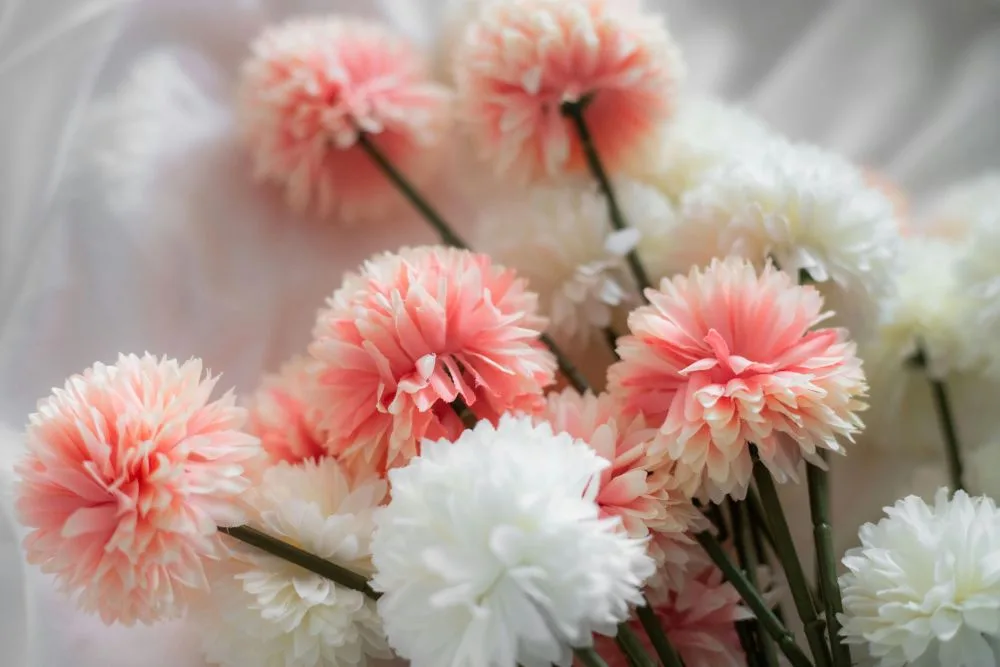
The final look of any arrangement starts with the quality of the stems you select. Opt for faux flowers made from materials like silk, latex, or soft-touch plastics, as these better replicate natural textures. Slight variations in petal color, subtle veining, and flexible stems are all signs of a more realistic bloom.
Avoid choosing flowers that all look identical. In nature, no bouquet is perfectly uniform. Selecting stems with minor imperfections, varied sizes, or uneven petal edges will make your arrangement feel more natural. Greenery matters just as much as flowers, so mix in lifelike leaves, branches, or grasses to add depth.
Work with an Organic Color Palette
Color plays a major role in how authentic an arrangement appears. Instead of sticking to one bold shade, blend complementary tones. Pair soft neutrals with subtle pops of color, or mix different hues of the same flower type for a layered effect.
Nature rarely produces exact matches, so incorporating slight differences in color helps avoid a flat or overly polished look. Earthy shades, muted pastels, and seasonal tones typically work best. When styling faux floral arrangements, think about how colors interact naturally in real gardens or fresh-cut bouquets.
Build Shape and Movement Gradually
A common mistake with artificial flowers is arranging them too symmetrically. To create a realistic style, build your arrangement gradually. Start with greenery to establish the overall shape, then add focal flowers, and finish with filler stems for balance.
Vary the stem heights and angles so the bouquet doesn’t look rigid. Allow some flowers to extend slightly beyond the rest, while others sit lower or peek through greenery. Gentle movement and irregular spacing help mimic the randomness found in natural floral designs.
Use the Right Vase and Placement
The container you choose can either elevate or detract from your arrangement. Clear glass vases work well for lighter, airy designs, especially when you can see layered stems inside. Ceramic, stone, or textured vessels add weight and character to fuller arrangements.
Make sure the size of the vase matches the scale of the flowers. A small vase with oversized blooms can feel awkward, while an overly large container may swallow delicate stems. Proper placement also matters. Position arrangements where they receive natural light, as this enhances texture and reduces the artificial sheen some faux flowers have under harsh lighting.
Add Finishing Touches for Realism
Small details make the biggest difference. Gently bend stems and leaves to remove stiff, straight lines. If the flowers look too perfect, lightly fluff or separate petals to create variation.
For added authenticity, consider pairing faux flowers with real elements like dried grasses, branches, or even a few fresh leaves. Some designers lightly dust or spray arrangements with a matte finish to reduce shine. Stepping back and adjusting from different angles ensures the arrangement looks natural from every viewpoint.
Bringing It All Together
Creating a natural-looking faux flower arrangement is less about perfection and more about intention. By choosing realistic stems, layering colors thoughtfully, and embracing asymmetry, you can design displays that feel fresh and inviting year-round. With a bit of creativity and attention to detail, artificial blooms can become a seamless part of your décor, offering long-lasting beauty without the maintenance.