
Redefining Fitness: A Morning in 2026
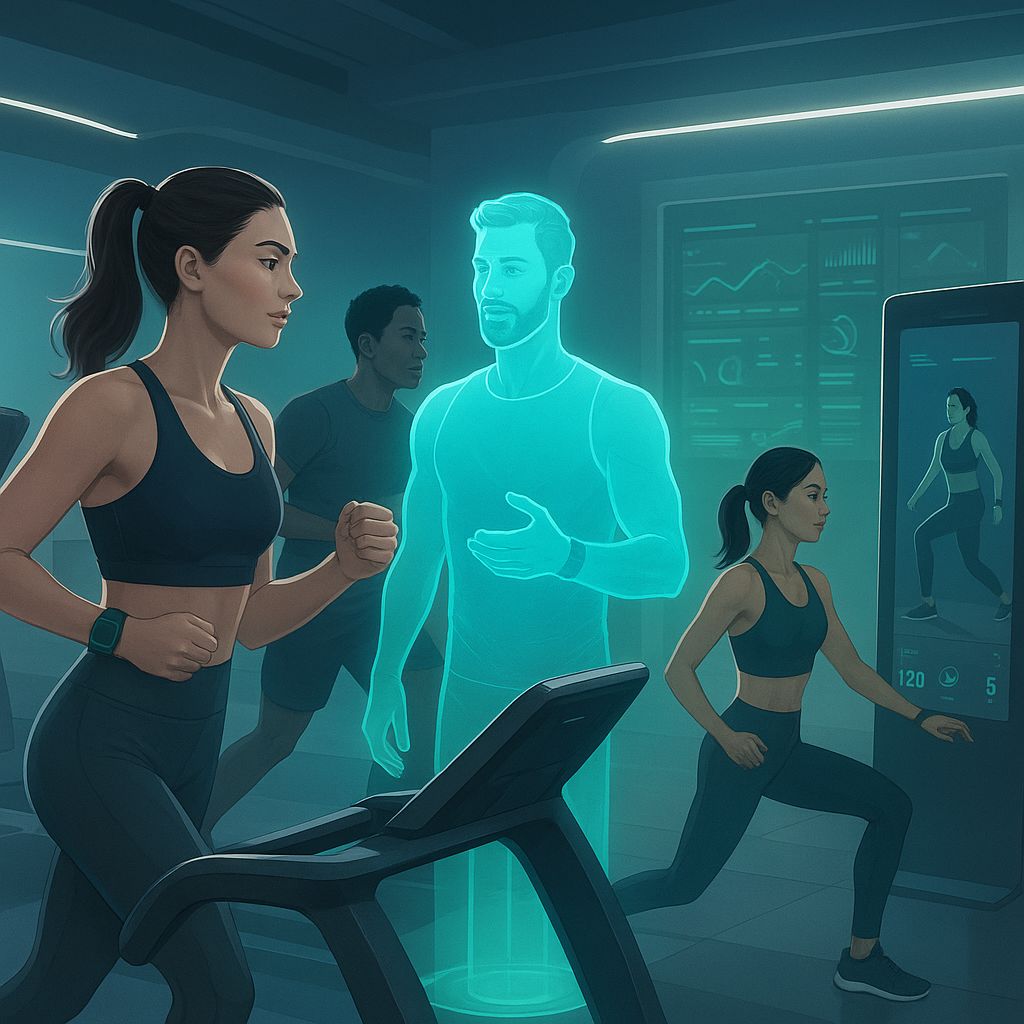
The sun rises over a bustling metropolis where fitness is no longer confined to gyms or outdoor parks but seamlessly integrated into daily life. Emma, a 34-year-old marketing executive, starts her day with an AI-guided workout tailored precisely to her biometrics and mood, delivered through her smart home system. Her wearable device syncs with virtual trainers who analyze her muscle recovery from last night’s session, adjusting intensity in real time. Meanwhile, in a coworking space downtown, a group participates in a mixed-reality fitness class that blends physical movements with interactive gamification, blurring the boundaries between exercise and entertainment.
This scene captures the essence of fitness in 2026: highly personalized, technology-driven, and holistically connected to wellness. According to industry reports, the global fitness technology market has surged beyond $80 billion this year, reflecting a seismic shift in how individuals approach health and physical activity. This transformation is not just a trend but a fundamental change reshaping the entire health and wellness ecosystem.
"Fitness today is an ecosystem where technology, psychology, and biology converge to create experiences that are as effective as they are engaging," says Dr. Leah Martinez, a leading exercise physiologist and futurist.
Tracing the Trajectory: From Gym Memberships to Digital Ecosystems
The origins of fitness culture were straightforward: physical spaces equipped with machines and trainers designed to build strength and endurance. However, the past decade witnessed a disruption triggered by smartphone ubiquity and wearable sensors that democratized access to fitness data. The COVID-19 pandemic accelerated this shift, forcing many to adopt virtual workouts and home fitness equipment.
By 2020, platforms offering on-demand classes and personalized coaching began to dominate market share. Yet, these were only the initial phase. Over the next five years, advances in AI, machine learning, and sensor technology enabled a deep personalization layer, integrating physiological data such as heart rate variability, sleep quality, and stress markers into workout design. Fitness moved beyond isolated activity to become a continuous feedback loop optimizing health.
The rise of holistic wellness further expanded fitness's scope. Nutrition tracking, mental health support, and even social connectivity became integral components. According to data from the International Health, Racquet & Sportsclub Association (IHRSA), membership models evolved into subscription-based, multiservice platforms combining coaching, community, and medical insights.
- 2020–2023: Surge in virtual and hybrid fitness studios
- 2023–2025: Integration of AI-driven personalized coaching
- 2025–2026: Emergence of immersive mixed-reality fitness environments
Industry analyst Marcus Yuen notes, "Fitness has become less about gym attendance and more about embedding health practices into everyday technology and lifestyle."
Data-Driven Fitness: The Core of Modern Training
At the heart of fitness's evolution lies data. Advanced sensors embedded in wearables, smart clothing, and even implantables collect vast streams of biometric data. This data fuels AI algorithms that provide actionable insights, predicting injury risks, optimizing recovery times, and enhancing performance.
For instance, companies like BioPulse and NeuroFit have launched platforms that combine neuromuscular and cardiovascular analytics to tailor workouts at a granular level. These systems analyze individual muscle activation patterns and fatigue rates to recommend specific exercises and rest intervals, maximizing efficiency and safety.
Comparative studies published in the Journal of Sports Science & Medicine reveal that athletes using AI-personalized regimens reduced injury rates by 30% compared to traditional training methods. Recreational users also reported higher adherence rates, thanks to engaging, adaptive programs that respond to fluctuating motivation and physical readiness.
Further, nutrition integration is no longer an afterthought. AI-powered dieticians use continuous glucose monitoring and microbiome analysis to customize meal plans that complement fitness goals, whether fat loss, muscle gain, or endurance.
- Real-time biometric monitoring: Heart rate, oxygen saturation, muscle fatigue
- AI adaptive programming: Adjusting workouts based on daily readiness
- Integrated nutrition coaching: Personalized meal plans synced with training load
- Mental health tracking: Stress and sleep data incorporated for recovery optimization
2026 Developments: The Rise of Immersive and Social Fitness
This year marks a turning point with immersive technology becoming mainstream in fitness. Virtual reality (VR) and augmented reality (AR) platforms have matured, offering users interactive environments that motivate and entertain simultaneously. Companies such as FitSphere and OxyPlay have launched subscription services where users can cycle through the French Alps or row across Lake Tahoe from their living rooms.
These immersive experiences don’t just serve entertainment but incorporate biomechanical feedback and social connectivity, allowing users to compete or collaborate in real time. The social aspect addresses a key psychological driver, combating isolation and boosting motivation. Fitness studios now use mixed-reality zones, blending in-person and virtual participants to create hybrid communities.
Additionally, the concept of "fitness as medicine" has gained traction. Insurance providers and healthcare systems incentivize users to maintain activity through data-sharing agreements, offering premium reductions and health credits. This has propelled adoption among older adults and chronic disease populations, traditionally underserved by fitness industries.
Moreover, the workplace has embraced fitness integration. Employers implement AI-driven wellness programs that adjust workloads and recommend micro-exercises to counter sedentary behavior, improving productivity and employee health.
- Immersive VR/AR fitness experiences accessible via affordable devices
- Social fitness networks combining competition, collaboration, and coaching
- Healthcare partnerships incentivizing preventive fitness behavior
- Corporate wellness programs leveraging AI for personalized interventions
Voices from the Field: Experts Weigh In on Fitness’s Future
Experts across disciplines agree the future of fitness hinges on personalization, technology, and holistic health integration. Dr. Sandra Kim, Chief Innovation Officer at VitalFit Labs, highlights the importance of mental wellness: "Fitness is no longer just physical output. Emotional and cognitive wellness are deeply intertwined with physical health. Future solutions must address this triad comprehensively."
Meanwhile, tech entrepreneur and founder of BioSync, Rahul Desai, emphasizes data privacy: "As fitness apps gather increasingly sensitive biometric data, ensuring user trust through robust privacy frameworks is critical. Ethical AI deployment will define which platforms succeed."
From the consumer perspective, behavioral scientist Dr. Elena Rossi notes, "Sustained engagement requires understanding motivation cycles and integrating social accountability. Technology alone cannot drive adherence without addressing psychological factors." These insights underscore the complexity of designing future fitness experiences that are effective, secure, and user-centric.
"The convergence of AI, immersive tech, and behavioral science is unlocking fitness experiences that are deeply personalized and socially connected," Dr. Sandra Kim explains.
Rahul Desai adds, "We must balance innovation with ethical stewardship to maintain user trust in a data-rich fitness environment."
Looking Ahead: Key Trends to Watch and Strategic Takeaways
As fitness continues to evolve, several trends will shape its trajectory over the next decade:
- Hyper-personalization: Leveraging multi-omic data and AI to tailor every aspect of fitness and wellness.
- Immersive social fitness: Expanding virtual communities and gamification to enhance motivation and adherence.
- Integration with healthcare: Fitness as a cornerstone of preventive medicine, supported by insurer and provider collaboration.
- Ethical AI and privacy: Establishing standards that protect user data while enabling innovation.
- Work-life fitness fusion: Seamless incorporation of activity into daily routines through smart environments and corporate programs.
For individuals, embracing these advances means adopting fitness solutions that respond dynamically to their unique physiology and lifestyle. For industry players, the challenge lies in balancing cutting-edge technology with accessibility and ethics. As detailed in TheOmniBuzz’s Unlocking Enduring Vitality, sustainable fitness is rooted in science-driven strategies, not fleeting trends.
Moreover, newcomers to fitness can find guidance in the practical frameworks described in Starting Strong, which emphasizes gradual, data-informed habit formation supported by technology.
Ultimately, the future of fitness promises a holistic, engaging, and scientifically grounded approach that empowers individuals to thrive physically and mentally in an increasingly complex world.