
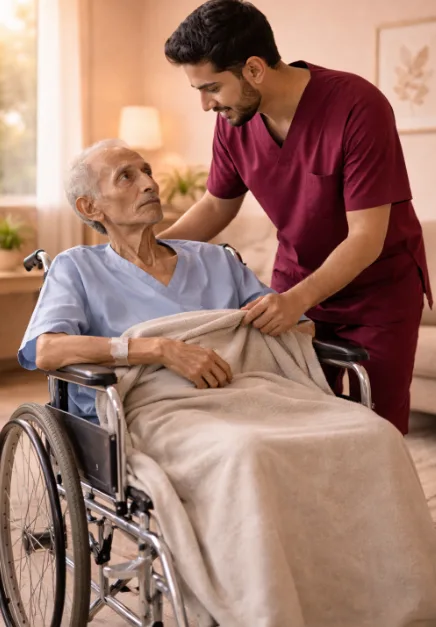
When families hear the term "palliative care, it often creates confusion or even fear. Many people think it is only for the last stage of life or that it means giving up on treatment. Because of this misunderstanding, families delay decisions that could actually make life much more comfortable for their loved ones.
In reality, palliative care is something very practical—it helps people feel better, live more comfortably, and manage serious illnesses in a more stable way.
This guide explains palliative care in India in simple terms, so families can understand what it means, how it helps, and when it should be considered.
What Is Palliative Care?
Palliative care is a type of care that focuses on improving quality of life for people with serious or long-term illnesses. It does not replace treatment. Instead, it works alongside it.
In simple words, pain and palliative care helps manage symptoms such as pain, fatigue, breathlessness, and emotional stress. It ensures that the patient is comfortable and supported every day.
Unlike regular treatment, which focuses mainly on curing the disease, palliative care focuses on how the patient feels while going through it.
What Does Palliative Care Include?
Doctor-Led Care
In a structured palliative care setup, doctors regularly review the patient’s condition. They adjust medications, monitor progress, and ensure that symptoms are controlled. The focus is not just on treatment outcomes, but on comfort and stability.
Nursing and Daily Support
Nursing plays a critical role in pain and palliative care. Nurses monitor the patient closely, manage medications, and respond quickly if symptoms change. This ensures that care is continuous and not delayed.
Symptom and Pain Management
One of the biggest benefits of palliative care is proactive symptom management. Instead of waiting for discomfort to increase, care teams act early. This keeps pain under control and reduces sudden complications.
Emotional and Family Support
Serious illness affects both patients and families. Palliative care in India includes emotional support, helping families understand what to expect and how to manage care better.
Does Palliative Care Mean Giving Up?
This is the biggest misconception.
The answer is no.
Palliative care does not mean stopping treatment. It means improving comfort while treatment continues. Many patients receive pain and palliative care alongside therapies like chemotherapy, cardiac care, or rehabilitation.
In fact, starting palliative care in India early often helps patients handle treatment better and reduces stress for families.
Benefits of Palliative Care
The impact of palliative care is often visible within a short time.
Patients feel more comfortable because symptoms are controlled. They experience less pain, better sleep, and reduced anxiety. Daily life becomes more stable and predictable.
For families, pain and palliative care reduces confusion and stress. Instead of reacting to emergencies, they follow a structured care plan.
Over time, this improves both the patient’s experience and the family’s confidence in managing the situation.
Why Palliative Care in Hospital Alone Is Not Enough
Hospitals are essential for acute care, but they are not designed for long-term comfort-focused care.
Palliative care in hospital plays an important role during critical phases, but frequent hospital visits can be exhausting. The environment is clinical, routines are disrupted, and families often feel overwhelmed.
After discharge, patients need stability and continuous support. This is where care needs to move beyond palliative care in hospital into a more structured environment.
Why Care Homes Are Better Equipped for Palliative Care
In India, terms like Care Homes, Senior Homes, and retirement homes are often used interchangeably. In the context of premium and professionally managed setups, they essentially refer to structured residential care environments.
What makes these setups important is their readiness.
A well-managed Care Home is designed to handle complex care needs. It provides continuous monitoring, trained staff, and immediate response systems. This ensures that palliative care is delivered consistently and without delay.
Compared to fragmented care at home or repeated hospital visits, Care Homes, Senior Homes, and retirement homes offer a more stable and reliable environment for pain and palliative care.
They are better equipped from every angle—medical support, daily care, and emergency readiness.
When Should You Consider Palliative Care?
Families should consider palliative care when a serious illness starts affecting daily life.
This may include situations where:
- Pain or discomfort becomes frequent
- Recovery is slow or uncertain
- Hospital visits are increasing
- Managing care at home becomes difficult
Starting palliative care in India early helps avoid complications and creates a smoother care journey.
Why Choosing the Right Provider Matters
Not all setups offering Care Homes, Senior Homes, or retirement homes provide the same level of care.
Families should always choose established providers with experience in managing palliative care. An experienced provider brings structured systems, trained staff, and a wider support network.
This includes proper protocols, consistent monitoring, and the ability to handle emergencies effectively. These factors ensure that pain and palliative care is reliable and safe.
Without such structure, care can become reactive, increasing stress for both patients and families.
FAQs: Simple Answers for Families
1. Is palliative care only for the last stage of life?
No. Palliative care can start at any stage of a serious illness. It is meant to improve comfort and quality of life.
2. Can palliative care be provided at home?
Yes, but pain and palliative care is often more effective in structured environments like Care Homes, where support is available continuously.
3. What is the role of palliative care in hospital?
Palliative care in hospital helps manage symptoms during acute phases, but long-term care usually requires a more stable environment.
4. How are Care Homes different for palliative care?
Care Homes, Senior Homes, and retirement homes are better equipped with trained staff, monitoring systems, and emergency readiness, making care more consistent and reliable.
Conclusion: Making Care Simple and Supportive
Understanding palliative care does not have to be complicated. It is about helping patients feel better, live more comfortably, and receive the support they need during difficult times.
It is not about giving up. It is about improving life.
With the right approach—and especially in structured environments like Care Homes, Senior Homes, or retirement homes—pain and palliative care becomes more effective, more stable, and more supportive for families.
Because in the end, care should not feel overwhelming. It should feel organized, compassionate, and always available when it is needed most.