
From Buffering to Binge-Watching: The Streaming Revolution Unfolds
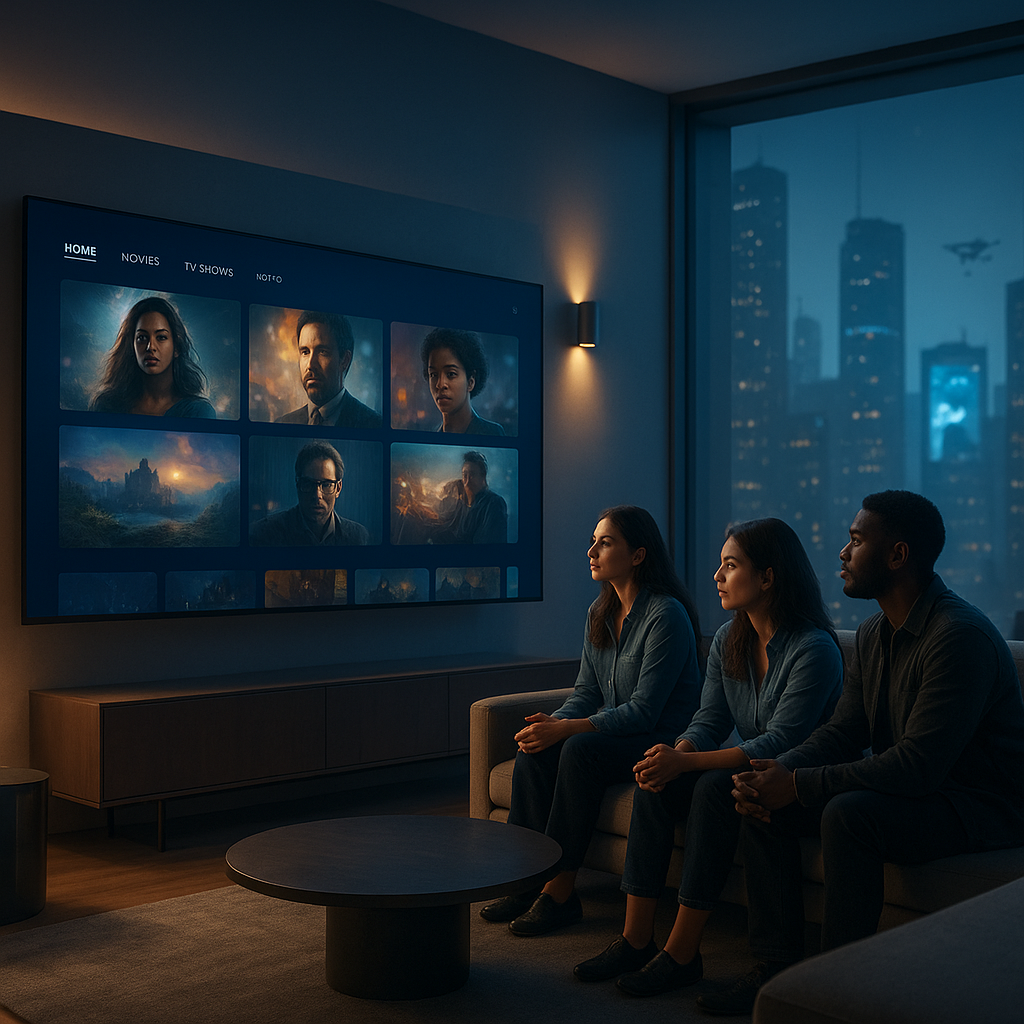
In 2026, streaming is no longer a novelty but an intrinsic part of global entertainment culture. Consider that in early 2026, over 4.8 billion people worldwide were accessing streaming services monthly, according to industry estimates. This represents more than 60% of the global population, a staggering penetration that underscores the medium’s dominance. The scene is familiar: families gathered around smart TVs, commuters engaging with podcasts, and gamers live-streaming their latest exploits — all propelled by streaming’s seamless delivery.
This transformation from physical media and scheduled broadcasts to on-demand, personalized content fundamentally altered how audiences consume entertainment. The once clunky, unpredictable experience of early streaming — marred by buffering icons and low resolution — has matured into a sophisticated ecosystem powered by AI-driven recommendations, edge computing, and 8K video standards. The question now is: how did streaming evolve so rapidly, and where is it headed next?
“Streaming has shifted from being a disruptive alternative to traditional media to the primary gateway through which audiences engage with content.” — Media analyst Karen Liu
Tracing the Path: How Streaming Became the Entertainment Backbone
The origins of streaming trace back to the early 2000s, with pioneering platforms like YouTube and Netflix’s initial DVD-by-mail model. The watershed moment arrived in the 2010s when broadband internet became widely accessible, enabling smooth video delivery. Netflix’s 2013 pivot to streaming original content with hits like House of Cards marked a new era, catalyzing the decline of cable TV subscriptions and physical media sales.
By 2020, global streaming revenue exceeded $70 billion, driven by giants such as Netflix, Amazon Prime Video, Disney+, and emerging regional players. The COVID-19 pandemic accelerated adoption, pushing consumers indoors and heightening demand for varied, fresh content. This period also saw the rise of multi-service subscription bundles and ad-supported streaming tiers, expanding affordability and reach.
Technological breakthroughs underpinned this growth. Content delivery networks (CDNs) enhanced latency and bandwidth efficiency, while codecs like AV1 improved video compression without quality loss. Simultaneously, advancements in mobile technology made streaming ubiquitous, with smartphones becoming the primary viewing devices in developing markets.
- 2010s: Broadband expansion and streaming pioneers emerge
- 2020: Pandemic-driven surge in streaming consumption
- 2023: AI-powered content personalization mainstreamed
- 2025: Introduction of immersive 8K and VR streaming experiences
Decoding the Data: Streaming’s Market Dynamics and Consumer Trends
As of mid-2026, the global streaming market is valued at over $150 billion, with projections suggesting a compound annual growth rate (CAGR) of 12% through 2030, according to market research firms. Subscription Video on Demand (SVOD) services dominate revenue, but Advertising Video on Demand (AVOD) and hybrid models are closing the gap, especially in price-sensitive markets.
Consumer behavior analysis reveals three key trends shaping streaming today:
- Content Fragmentation and Aggregation: With over 500 active streaming services worldwide, consumers face subscription fatigue. This has spurred growth in aggregator platforms offering unified access and personalized recommendations.
- Personalized, Interactive Experiences: AI-driven algorithms curate content tailored to individual preferences, while interactive formats such as live shopping streams and choose-your-own-adventure narratives gain traction.
- Globalization of Content: Regional content, from K-dramas to Nollywood films, now has unprecedented global reach, facilitated by multilingual subtitles and dubbing technology.
Furthermore, bandwidth improvements and 5G expansion have enabled higher resolution streaming with reduced latency. The rise of edge computing has minimized buffering, delivering near real-time experiences even in congested networks. These technological enablers contribute to a more immersive and satisfying user experience.
“The streaming landscape is no longer about one-size-fits-all; it’s about hyper-personalized, culturally diverse, and interactive content that engages viewers on multiple levels.” — Streaming strategist Javier Mendoza
2026 and Beyond: Current Innovations Propelling Streaming Forward
This year, streaming platforms have unveiled several innovations that redefine user engagement and content creation. Notably, AI-powered content generation tools are now assisting studios in scriptwriting, editing, and even CGI rendering, reducing production timelines and costs. Companies like StreamForge and CineAI have partnered with major streaming giants to integrate these capabilities.
Virtual Reality (VR) and Augmented Reality (AR) streaming have also matured. Platforms such as ImmersiView and VirtuStream offer live concerts, sports events, and narrative experiences that transport viewers into the action, aided by haptic feedback devices and spatial audio. These immersive formats are witnessing a 35% year-over-year growth in user adoption.
Moreover, blockchain technology is being leveraged for decentralized streaming networks, enhancing content security and creator monetization. Platforms like StreamChain allow artists to retain ownership rights and receive direct payments, disrupting traditional distribution models.
Social streaming continues to expand, with platforms integrating real-time chat, co-watching, and collaborative playlists, fostering community engagement. This trend reflects a shift from passive consumption to shared experiences, a dynamic explored in detail in the article Why Streaming's Silent Revolution Is Redefining Entertainment Consumption.
- AI-assisted production and personalized content creation
- Immersive VR/AR streaming experiences
- Blockchain-based decentralized streaming platforms
- Social and interactive streaming features
Industry Voices: How Experts View Streaming’s Impact and Challenges
Leaders in media and technology emphasize that while streaming offers unprecedented opportunities, it also presents significant challenges. Dr. Elena Martinez, Chief Innovation Officer at a leading streaming service, notes that “balancing data privacy with personalization remains a critical concern as AI algorithms become more sophisticated.” This underscores the ongoing debate around user data ethics and regulatory frameworks.
Moreover, content oversaturation is a growing issue. With thousands of new titles released monthly, discoverability is a bottleneck despite advanced recommendation engines. Industry analysts suggest that curation and editorial oversight will regain importance alongside AI tools to maintain quality.
The economic model of streaming is also evolving. Subscription fatigue and market saturation in developed countries push platforms to innovate monetization strategies, including microtransactions, tipping, and exclusive limited releases. These models aim to sustain revenue while catering to diverse consumer willingness to pay.
From an industry workforce perspective, streaming’s demand for rapid content turnover and technological integration pressures production teams. Automation helps but cannot fully replace human creativity and oversight, highlighting a complex interplay between human and machine roles.
“Streaming has democratized access to content but requires vigilance to ensure it remains a sustainable ecosystem for creators, consumers, and platforms alike.” — Media economist Dr. Robert Chen
Looking Ahead: The Future of Streaming and What Consumers Should Expect
The future of streaming promises even deeper integration of emerging technologies and evolving consumer habits. Experts anticipate several trends shaping the next five years:
- Hyper-Personalized Ecosystems: Streaming will evolve into adaptive environments that change in real time based on viewer mood, location, and social context.
- Expanded Immersive Formats: Mixed reality experiences combining AR, VR, and physical environments will become mainstream, especially for live events and education.
- AI as Collaborative Creators: AI will move beyond tools to co-creators, partnering with humans to craft unique narratives and interactive plots.
- Green Streaming Initiatives: With rising environmental concerns, platforms will adopt energy-efficient delivery methods and carbon-neutral data centers.
- Community-Centric Models: Social features will deepen, enabling decentralized content curation and peer-to-peer sharing economies.
Consumers can also expect more choice and flexibility, with modular subscription options and seamless device interoperability. For those seeking to enhance their viewing, the guide Stream Smarter: Pro Tips to Elevate Your Streaming Experience offers practical advice on optimizing settings, discovering hidden gems, and leveraging companion apps.
In conclusion, streaming has irrevocably reshaped the entertainment ecosystem. Its trajectory reflects technological innovation, shifting audience expectations, and complex business dynamics. While challenges remain, the promise of richer, more personalized, and immersive content experiences makes streaming the cornerstone of entertainment for years to come.