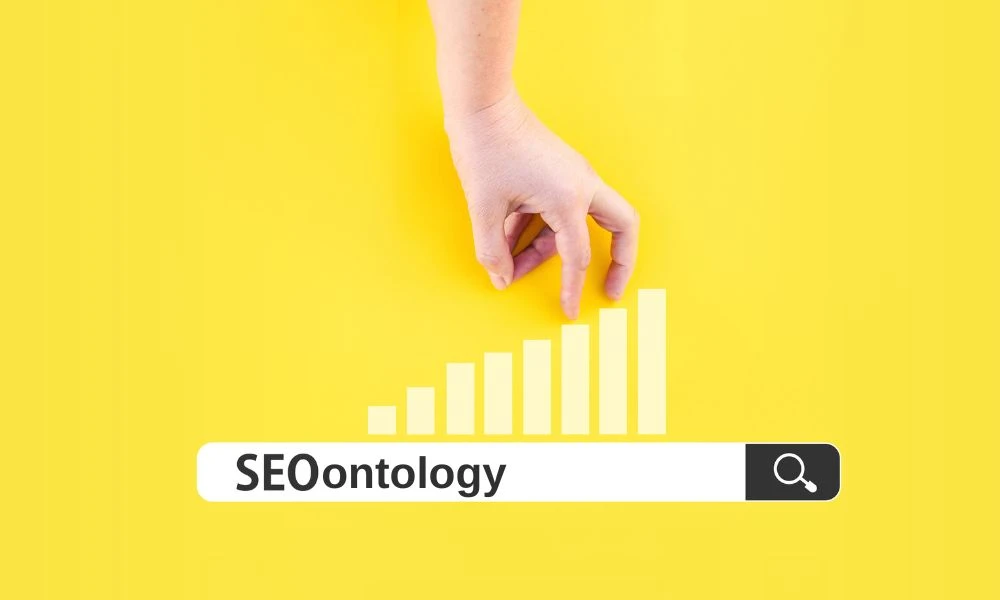
Search marketing is shifting fast. Algorithms evolve, user behaviour changes, and brands struggle to keep up. But underneath the constant motion is a deeper need: a structure that makes digital content understandable, connected, and future-proof. This is where SEOntology enters the picture.
SEOntology is the practice of applying ontological principles like clear definitions, relationships, and structured meaning to SEO. It moves optimization beyond keywords and trends and into the realm of semantic clarity, where content becomes part of an intelligent, interconnected system.
From Keywords to Meaning Systems
Traditional SEO has long centered on keywords. While still relevant, keywords alone are no longer enough. Search engines now evaluate the context, intent, and relationships behind content.
SEOntology builds on this shift by creating frameworks that describe:
• What your concepts mean
• How they relate to each other
• How they connect to your products, services, problems, and audiences
This transforms your website from a collection of pages into a structured knowledge system, one that search engines can understand in deeper ways.
Why It Matters for Long-Term Search Success
Search marketing is no longer about short-term wins. With AI-driven search, multimodal search, and retrieval-augmented experiences becoming the norm, brands need to think long-term.
SEOntology helps in several ways:
1. Scalability That Doesn’t Break
When content is built on a clear semantic foundation, you can add, modify, or reorganize pages without breaking your structure. Topic clusters stay coherent. Internal linking becomes logical. Large websites finally grow without chaos.
2. Authority Through Conceptual Ownership
Search engines reward entities that demonstrate depth, coherence, and expertise.
Ontologies help position a brand as the authoritative source within its domain because the content is consistent, interconnected, and built on well-defined concepts.
3. Future-Proofing for AI-First Search
AI search systems rely on knowledge graphs, embeddings, and semantic relationships.
SEOntology aligns your content with how these systems operate. Instead of only ranking in traditional SERPs, your content becomes more suitable for:
• AI-generated answers
• Chat-based search interfaces
• Voice assistants
• Recommendation engines
Long-term visibility becomes much more resilient.
4. Better User Experience
Ontologies don’t only help machines, humans benefit too.
A well-structured content network reduces friction, clarifies navigation, and makes information easier to digest. When users can find exactly what they need with minimal effort, engagement and conversions rise.
What This Means for MarketersSEOntology is not a tactic. It’s a strategic foundation.
Brands that invest in ontological structures create search ecosystems that grow stronger over time, not weaker.
The future of search belongs to businesses that:
• define their core concepts
• map their knowledge
• structure their content with meaning at the center
• stop reacting to algorithm updates and start building durable semantic frameworks
SEO is evolving into a discipline driven by clarity, context, and relationships. SEOntology is the blueprint that makes this possible.