The SaaS Surge: A Silent Revolution in eCommerce
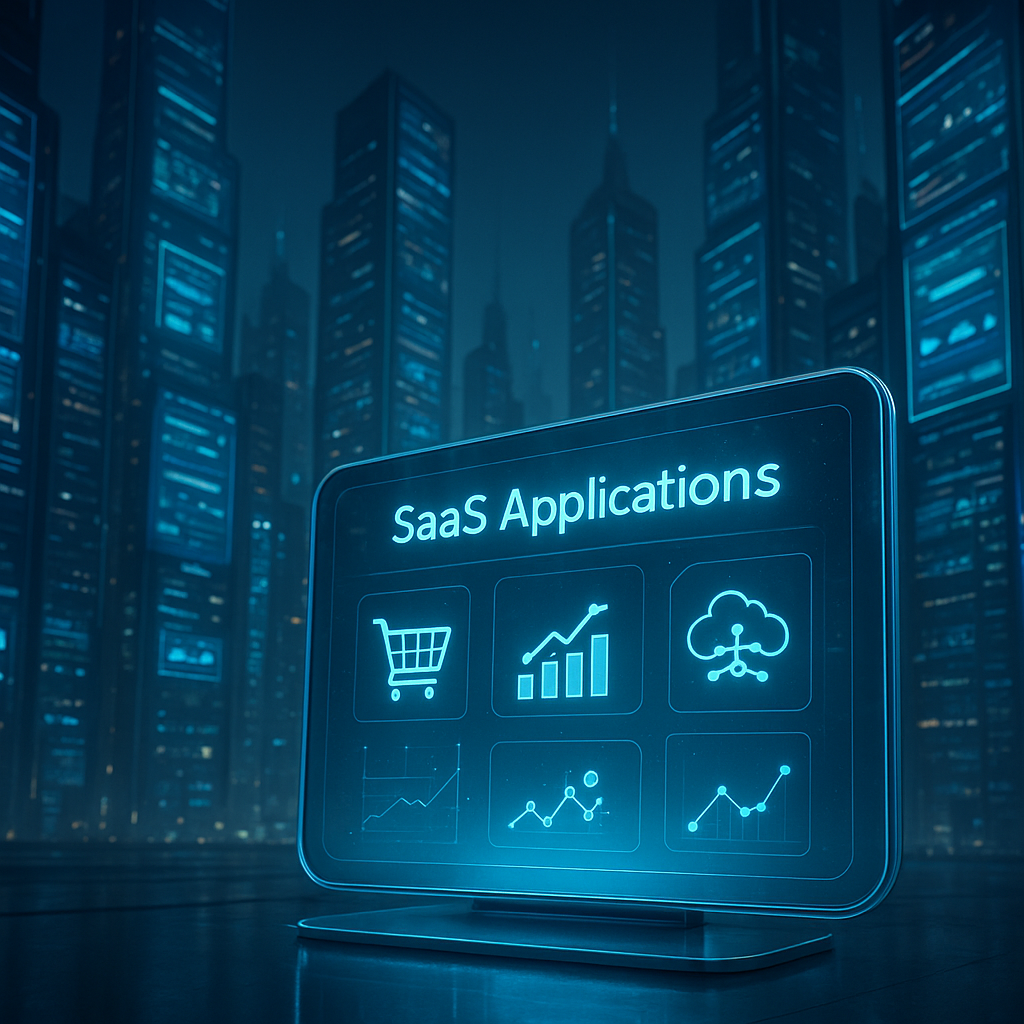
On a quiet Tuesday morning in early 2026, a mid-sized eCommerce brand based in Austin, Texas, launched a new global sales campaign without hiring extra IT staff or building new infrastructure. Instead, it leveraged a suite of Software as a Service (SaaS) applications to seamlessly scale operations, optimize marketing, and personalize customer experiences. This scenario, once reserved for tech giants, reflects a profound shift across digital commerce.
According to industry reports, over 85% of eCommerce businesses now rely on SaaS platforms for critical functions ranging from inventory management to AI-driven customer engagement, a figure that was less than 40% just five years ago. This rapid adoption signals not merely a technology trend but a fundamental transformation in how commerce is conducted online.
“The democratization of advanced software through SaaS has leveled the playing field, enabling small and mid-sized eCommerce players to compete globally with minimal upfront investment,” explains Dr. Maya Chen, a leading SaaS strategist.
This article explores the origins, current dynamics, and future trajectory of SaaS within the eCommerce ecosystem, revealing how this synergy is reshaping the digital marketplace.
From On-Premise to Cloud: The Evolution of SaaS in Commerce
To appreciate SaaS's impact today, it is essential to understand its evolution. The concept of delivering software over the internet emerged in the late 1990s, but early iterations were limited by bandwidth constraints and rudimentary cloud infrastructure. Initial adoption was largely confined to large enterprises with the resources to pilot such models.
Over the last decade, advances in cloud computing, API integrations, and data security transformed SaaS from a niche solution into a mainstream enabler. eCommerce platforms, historically dependent on monolithic, on-premise software, began shifting towards modular, cloud-based services that offered flexibility and scalability.
This shift was accelerated by the rise of mobile commerce and omnichannel retail, which demanded real-time data synchronization and customer personalization. SaaS vendors responded by developing specialized tools for inventory forecasting, dynamic pricing, and customer relationship management tailored for eCommerce needs.
- 2016–2020: Rapid growth in cloud adoption and API ecosystems.
- 2021–2024: Integration of AI and machine learning into SaaS tools.
- 2025+: Expansion into no-code/low-code platforms empowering non-technical users.
Such milestones set the stage for SaaS to become the backbone of modern eCommerce innovation, as detailed in our previous coverage on Why SaaS Is the Backbone of Modern Ecommerce Innovation.
The SaaS Advantage: Unlocking Agility and Growth for eCommerce
The core appeal of SaaS for eCommerce lies in its ability to reduce complexity while enhancing functionality. Unlike traditional software, which requires significant upfront investment, SaaS operates on subscription or usage-based models, aligning costs with growth.
Data from Gartner highlights that businesses deploying SaaS solutions have experienced an average 35% reduction in IT overhead and a 25% increase in operational efficiency. For eCommerce, this translates directly into faster time-to-market and improved customer experience.
Key SaaS-driven transformations in eCommerce include:
- Scalable Infrastructure: Platforms like Shopify Plus and BigCommerce leverage SaaS to handle surges during peak sales without downtime.
- Personalized Marketing Automation: SaaS tools like Klaviyo and Iterable use AI to deliver hyper-targeted campaigns based on real-time behavior.
- Inventory and Supply Chain Optimization: SaaS analytics enable dynamic stock management, reducing overstock and stockouts.
- Multi-channel Integration: Seamless connections between marketplaces, social media, and direct-to-consumer sites.
- Security and Compliance: SaaS providers invest heavily in data protection, ensuring GDPR, CCPA, and PCI compliance.
“SaaS platforms have removed the technical bottlenecks that once constrained eCommerce scaling, allowing brands to focus on customer engagement and innovation,” notes industry analyst Rajiv Sethi.
Moreover, SaaS’s rapid update cycles mean that eCommerce companies can adopt emerging technologies, such as generative AI for content creation or AR for virtual try-ons, without lengthy development lag.
2026 Landscape: Emerging Trends and Innovations in SaaS for eCommerce
The SaaS market in 2026 is marked by several defining trends that are shaping how eCommerce businesses operate:
- AI-First SaaS Solutions: Integration of generative AI engines into SaaS platforms has revolutionized customer support chatbots, product recommendations, and demand forecasting.
- No-Code Empowerment: No-code SaaS tools have surged, enabling merchants without technical backgrounds to build custom workflows and integrations, as explored in our article Why No-Code Tools Are Redefining eCommerce and SaaS Innovation in 2026.
- Decentralized SaaS Architectures: Leveraging blockchain and edge computing to enhance data privacy and reduce latency.
- Subscription Economy SaaS: Platforms specialized in managing complex subscription models have grown, supporting the explosion of membership and replenishment-based eCommerce.
- Environmental, Social, and Governance (ESG) SaaS: Tools for tracking carbon footprints and supply chain ethics have become integral to brand strategies.
In addition, SaaS firms are increasingly adopting vertical-specific solutions that cater to niche eCommerce sectors such as luxury goods, health supplements, and digital products, providing tailored compliance and user experience features.
The competitive SaaS landscape has also seen consolidation, with major players acquiring specialized startups to expand their service ecosystems. This trend promises more comprehensive, end-to-end platforms but raises questions about vendor lock-in risks for businesses.
Voices from the Frontlines: Industry Leaders on SaaS’s Role in eCommerce
To understand SaaS’s real-world impact, conversations with industry leaders reveal a consensus on its transformative potential and challenges.
“SaaS has fundamentally redefined what it means to scale an eCommerce business. The barriers to entry are lower, and innovation cycles are faster,” says Elena Rodriguez, CTO of a leading omnichannel retailer.
However, she warns about the trade-offs: “Reliance on third-party SaaS exposes businesses to vulnerabilities like service outages and data privacy concerns. Strategic vendor management is critical.”
Similarly, venture capitalist Michael Nguyen identifies SaaS as a fertile ground for investment, especially companies focusing on AI-driven analytics and automation. “The future of eCommerce is inseparable from SaaS innovation. Our portfolio reflects a strong bet on platforms that empower merchants with actionable insights in real time.”
The evolving relationship between SaaS providers and eCommerce businesses also fosters collaborative ecosystems, where feedback loops accelerate product refinement tailored to retailer needs. This dynamic is highlighted in the recent discussion on 5 Trends Shaping the Next Decade of SaaS Innovation.
Looking Ahead: What SaaS Means for the Future of eCommerce
Looking forward, SaaS will continue to be a catalyst for eCommerce transformation, but emerging challenges and opportunities will shape its trajectory.
Key areas to watch include:
- Hyper-Personalization: SaaS platforms will leverage richer datasets and advanced AI to deliver ever more precise customer experiences.
- Interoperability Standards: As ecosystems grow complex, seamless integration across SaaS tools will become essential to avoid fragmentation.
- Ethical AI and Data Use: Regulatory pressures will increase around AI transparency and consumer data, driving demand for compliant SaaS solutions.
- Global Expansion: SaaS providers will localize offerings to meet diverse regulatory and cultural eCommerce environments.
- Sustainability Metrics: SaaS will enable eCommerce brands to operationalize sustainability through real-time tracking and reporting tools.
“The next frontier for SaaS in eCommerce is not just enabling transactions but fostering trust and sustainability at scale,” forecasts Dr. Chen.
For businesses, this means embracing SaaS not as a mere cost-saving measure but as a strategic partner in innovation, resilience, and customer loyalty.
As eCommerce continues its rapid evolution, SaaS remains at the core of this revolution, empowering businesses of all sizes to thrive in an increasingly digital and data-driven marketplace.