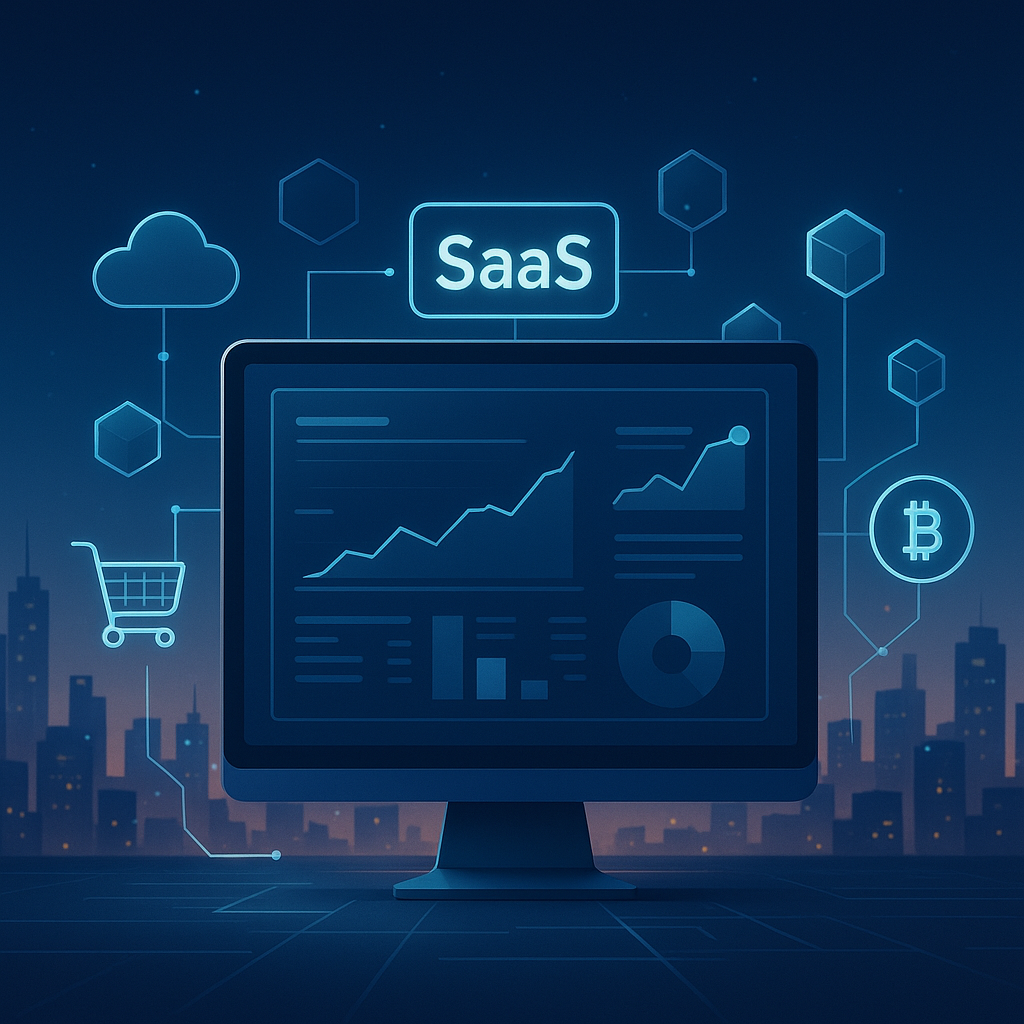
The SaaS Surge: A Glimpse into the Digital Transformation Engine
In a bustling San Francisco co-working space early in 2026, a mid-size ecommerce startup quietly revolutionizes how it manages inventory, customer relationships, and marketing automation. It’s not with bespoke software or hefty IT infrastructure, but through a suite of SaaS (Software as a Service) platforms that allow nimble experimentation and rapid scaling. This scene is no longer unique; across the globe, SaaS is the invisible force powering ecommerce’s rapid evolution.
Recent industry reports indicate that SaaS adoption rates among ecommerce businesses surged by 26% in the past two years, reflecting a decisive shift from traditional, on-premises software to cloud-based, subscription-driven models. The appeal lies in flexibility, cost efficiency, and access to cutting-edge features without the burden of heavy upfront investment. As ecommerce ecosystems become increasingly complex and competitive, SaaS solutions have emerged as the backbone facilitating innovation, agility, and growth.
“SaaS platforms have democratized access to enterprise-grade tools, enabling even small ecommerce players to compete globally,” says Anjali Mehta, CTO of a leading SaaS provider for online retail.
Understanding this transformation requires a closer look at the historical context and the technological underpinnings that have shaped SaaS’s role in ecommerce.
From On-Premises to Cloud: The Evolutionary Path of SaaS in Ecommerce
The early 2000s marked the beginning of ecommerce’s rise with companies primarily relying on customized software installations. These systems demanded large capital expenditures, lengthy deployment times, and complex maintenance. By the 2010s, cloud computing began reshaping software delivery, but adoption was gradual and met with skepticism regarding security and control.
By 2020, the convergence of improved internet infrastructure, rising demand for scalability, and advances in cybersecurity catalyzed SaaS’s widespread acceptance. SaaS shifted from being a convenient alternative to becoming the preferred method for deploying ecommerce technologies.
- Cost Efficiency: Subscription pricing models replaced large upfront costs, lowering barriers to entry.
- Scalability: Cloud-native architectures allowed businesses to scale resources dynamically based on demand.
- Speed of Innovation: Continuous deployment and updates meant ecommerce platforms could integrate new features faster.
This historical shift laid the foundation for SaaS to become integral in various ecommerce functions, from payment processing and customer engagement to supply chain logistics.
“The transition to SaaS has been a fundamental enabler for ecommerce businesses to pivot quickly in response to market changes,” notes Raj Patel, an industry analyst specializing in cloud technologies.
Data-Driven Insights: How SaaS Drives Ecommerce Performance in 2026
Recent data underscores SaaS’s impact on ecommerce operational efficiency and revenue growth. According to industry surveys, ecommerce merchants leveraging SaaS platforms report a 15-20% improvement in customer acquisition costs and a 25% boost in average order value due to enhanced personalization and automation capabilities.
Leading SaaS categories fueling ecommerce growth include:
- Customer Relationship Management (CRM): SaaS CRMs like Salesforce and HubSpot enable detailed customer profiling and omnichannel engagement.
- Inventory and Order Management: Real-time inventory tracking and automated fulfillment scheduling reduce stockouts and overstocking.
- Marketing Automation: Targeted campaigns powered by AI-driven SaaS tools increase conversion rates and customer retention.
- Payment Solutions: SaaS-based payment gateways streamline checkout experiences and integrate fraud detection.
- Analytics and BI Platforms: SaaS analytics help merchants derive actionable insights from vast data streams.
Comparatively, businesses using legacy software often face slower response times to consumer behavior shifts and higher operational costs. The agility of SaaS platforms allows ecommerce operators to experiment with new sales channels, such as social commerce and metaverse storefronts, without heavy infrastructure investments.
Moreover, SaaS providers have increasingly integrated AI and machine learning to enhance ecommerce functionalities. Predictive inventory management, dynamic pricing, and AI-powered chatbots are now standard features in many SaaS offerings.
Current Developments in 2026: SaaS Innovations Shaping Ecommerce
The SaaS landscape in 2026 is marked by three pivotal trends accelerating ecommerce transformation.
- AI-First SaaS Solutions: New platforms prioritize AI integration at their core, delivering hyper-personalized shopping experiences and operational automation. For example, AI-driven product recommendations now adapt in real-time to customer mood and contextual data, boosting engagement.
- Composable SaaS Architectures: Ecommerce firms increasingly adopt composable SaaS, assembling modular services that can be tailored and swapped without vendor lock-in. This allows unprecedented customization and faster feature rollouts.
- Edge Computing Integration: Combining SaaS with edge computing optimizes latency-sensitive ecommerce applications, such as AR-based virtual try-ons and instant payment verification, enhancing customer experience globally.
Additionally, data privacy regulations continue to shape SaaS innovation. Providers invest heavily in compliance-ready platforms that help ecommerce businesses manage consumer data transparently and securely, mitigating regulatory risks.
These developments not only enhance operational capabilities but also redefine competitive dynamics within ecommerce, privileging those who can swiftly adopt and integrate advanced SaaS technologies.
For a deeper understanding of how technology and sustainability intersect in ecommerce, you might enjoy our feature How AI and Sustainability Are Revolutionizing Ecommerce’s Next Chapter.
Industry Voices: Expert Perspectives on SaaS’s Ecommerce Impact
Industry leaders widely acknowledge SaaS as a strategic asset driving ecommerce innovation and resilience.
“SaaS has transformed ecommerce from a static industry into a dynamic, data-driven ecosystem where agility and customer-centricity are paramount,” asserts Maria Gomez, CEO of a top SaaS ecommerce platform.
Experts emphasize that SaaS democratizes access to sophisticated tools, leveling the playing field between startups and established retailers. This has accelerated competition but also fostered collaboration and ecosystem growth via APIs and third-party integrations.
However, industry insiders caution about potential challenges:
- Vendor Dependency: Heavy reliance on SaaS vendors can introduce risks if providers experience outages or policy shifts.
- Data Security Concerns: Despite advances, ecommerce firms must remain vigilant about data breaches and compliance.
- Integration Complexity: As SaaS portfolios grow, managing interoperability and avoiding platform sprawl is critical.
In response, many ecommerce businesses are adopting hybrid IT strategies, blending SaaS with private cloud and on-premises systems to balance flexibility and control.
Further exploring the broader ecommerce trends can provide valuable context; see our comprehensive review in Ecommerce in 2026: Trends, Challenges, and the Road Ahead.
Looking Ahead: What SaaS Means for Ecommerce’s Future
As ecommerce continues to evolve, SaaS is poised to deepen its influence in several key areas:
- Hyper-Personalization: SaaS platforms will leverage increasingly sophisticated AI to deliver individualized shopping journeys at scale.
- Decentralized Commerce: Integration with blockchain and decentralized finance (DeFi) via SaaS will create new trust frameworks and payment modalities.
- Environmental and Social Governance (ESG): SaaS will enable ecommerce companies to track and optimize sustainability metrics, responding to growing consumer demand for ethical practices.
- Global Market Expansion: SaaS’s cloud-native nature simplifies cross-border ecommerce by handling localization, compliance, and currency complexities.
- Automation and Human Collaboration: The interplay of AI automation with human creativity and service will define next-generation ecommerce experiences.
Businesses that strategically invest in adaptable, AI-empowered SaaS solutions will gain a competitive edge, while those stuck with legacy systems risk obsolescence.
“The future of ecommerce is inseparable from SaaS innovation; it’s the foundation upon which new business models and customer experiences will be built,” predicts analyst Raj Patel.
In conclusion, SaaS’s role in ecommerce is far from static; it is a dynamic, evolving ecosystem driving growth, innovation, and resilience. For readers interested in broader technological disruptions shaping consumer markets, our article How Football’s Global Transformation Is Shaping the Future of Sport offers a compelling look at sports tech parallels.