Connectivity issues have long frustrated individuals and businesses alike. Dropped calls, slow data speeds, and unreliable coverage can disrupt everything from simple conversations to critical operations. A growing solution, the multi carrier network, is stepping in to solve these problems in a way most users barely notice—but deeply benefit from.
What Is a Multi-Carrier Network?
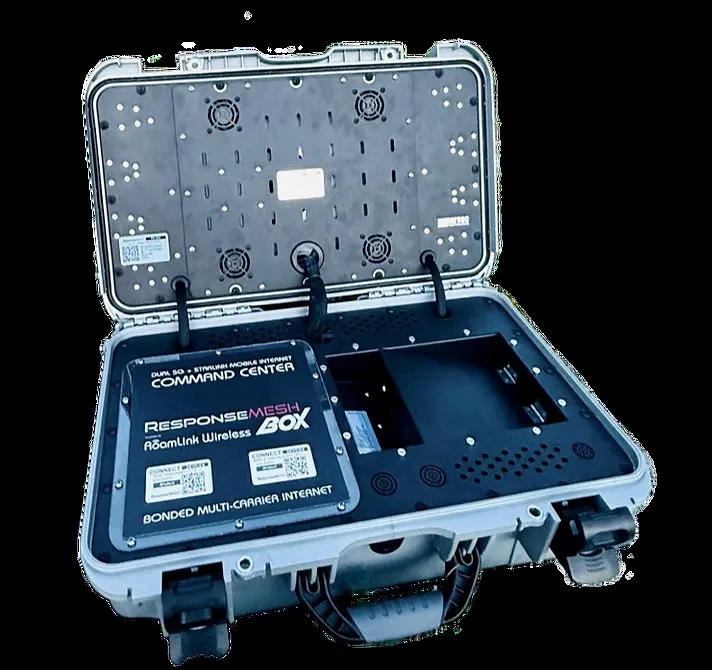
A multi-carrier network combines services from multiple telecom providers into a single, seamless connection. Instead of relying on just one carrier’s infrastructure, devices or systems can switch between networks based on availability, strength, and performance.
This dynamic approach ensures that users are always connected to the best possible signal at any given moment. Whether you’re in a crowded urban zone or a remote area, the system intelligently adapts to maintain stability.
Why Connectivity Problems Persist
Before understanding the solution, it helps to recognize the root issues:
- Coverage gaps: No single carrier covers every location perfectly.
- Network congestion: High traffic can slow down speeds dramatically.
- Infrastructure limitations: Weather, terrain, and hardware failures can disrupt service.
- Single point of failure: Depending on one carrier increases vulnerability.
These challenges have existed for years, often forcing users to accept inconsistent performance as unavoidable.
How Multi-Carrier Networks Solve These Issues
The strength of multi-carrier systems lies in their flexibility and redundancy. Here’s how they address common connectivity problems:
1. Seamless Switching
Devices automatically switch between carriers without interrupting the connection. This ensures uninterrupted service even when one network weakens.
2. Improved Coverage
By tapping into multiple infrastructures, users gain access to a broader coverage map, significantly reducing dead zones.
3. Load Balancing
Traffic is distributed across networks, preventing overload on a single carrier and maintaining consistent speeds.
4. Higher Reliability
If one carrier fails, others immediately take over. This built-in backup system increases uptime and reliability.
Key Facts About Multi-Carrier Networks
- Studies show that combining carriers can improve uptime by over 90% in unstable environments.
- Businesses using multi-carrier setups report fewer service disruptions and better operational efficiency.
- These networks are widely used in industries like logistics, healthcare, and remote monitoring.
- The technology often integrates with IoT devices, enhancing real-time data transmission.
Practical Benefits for Everyday Users
Even if users aren’t aware of it, the impact is significant:
- Fewer dropped calls during travel
- More stable video calls and streaming
- Better performance in crowded locations
- Reliable connectivity in emergencies
For businesses, the benefits extend further:
- Continuous operations without downtime
- Improved customer experience
- Enhanced data accuracy in real-time systems
Points to Consider
While multi-carrier networks offer clear advantages, there are a few considerations:
- Cost: Initial setup may be higher than single-carrier solutions.
- Complexity: Integration requires advanced systems and management tools.
- Compatibility: Not all devices are optimized for multi-network switching.
However, as technology evolves, these barriers are gradually decreasing.
Final Thoughts
Connectivity has become a critical part of modern life, yet traditional single-carrier systems struggle to keep up with growing demands. The multi carrier network approach is quietly transforming how we stay connected by eliminating weak points and improving reliability across the board.
What makes this shift remarkable is its subtlety—most users don’t notice the transition, only the improved experience. As adoption grows, multi-carrier systems are likely to become the standard rather than the exception, ensuring stronger, more dependable connections for everyone.
FAQs
1. What is a multi-carrier network?
It’s a system that uses multiple telecom providers simultaneously to ensure better connectivity and reliability.
2. Do users need special devices?
Some devices are designed for multi-network use, but many modern systems already support this technology.
3. Is it more expensive?
While setup costs can be higher, the long-term benefits often outweigh the investment.
4. Where is it most useful?
It’s especially valuable in areas with weak coverage, high congestion, or critical connectivity needs.
5. Will this replace single-carrier networks?
Not entirely, but it is becoming a preferred solution for improving performance and reliability.