Dubai has become one of the world's most competitive business destinations, attracting companies from diverse industries including real estate, hospitality, healthcare, retail, technology, finance, and professional services. As businesses compete for customer attention in an increasingly digital marketplace, having a strong online presence is no longer optional.
A company's website often serves as the first point of interaction between a business and its potential customers. Before making purchasing decisions, consumers frequently visit websites to evaluate products, services, credibility, and professionalism. A modern, well-designed website can significantly influence these decisions and create a lasting impression.
In a market where customers have countless options, website design has become a powerful tool for differentiation. Businesses that invest in modern digital experiences are better positioned to attract visitors, build trust, and convert prospects into customers.
The Importance of First Impressions
First impressions are formed within seconds of a visitor arriving on a website.
An outdated, slow, or poorly organised website can create negative perceptions and drive potential customers away.
Modern website design focuses on creating visually appealing and professional digital experiences that immediately capture attention.
Clean layouts, intuitive navigation, engaging visuals, and responsive design help businesses establish credibility from the first interaction.
A positive first impression encourages visitors to explore further and engage with the brand.
Enhancing User Experience
User experience has become one of the most important factors in website performance.
Modern consumers expect websites to be fast, easy to navigate, and accessible across all devices.
A professional Web design company in Dubai understands how to create user-focused experiences that simplify navigation and improve accessibility.
Features such as intuitive menus, clear calls-to-action, logical page structures, and optimised layouts help visitors find information quickly.
A seamless user experience contributes directly to customer satisfaction and engagement.
Supporting Mobile-First Audiences
Mobile devices now account for a significant portion of online traffic.
Consumers frequently browse websites, conduct research, and make purchasing decisions using smartphones and tablets.
Modern website design prioritises mobile responsiveness to ensure consistent performance across different screen sizes.
Responsive websites improve usability while supporting higher engagement and conversion rates.
Businesses that optimise for mobile users are better positioned to meet evolving customer expectations.
Strengthening Brand Identity
A website serves as a digital representation of a business.
Every visual element, from colours and typography to imagery and content presentation, contributes to brand perception.
Modern design helps businesses communicate their identity consistently and professionally.
A well-designed website reinforces brand values, strengthens recognition, and creates memorable experiences for visitors.
Strong branding helps businesses differentiate themselves in competitive markets.
Improving Website Performance
Website speed and performance directly influence user behaviour.
Slow-loading websites often result in higher bounce rates and reduced customer engagement.
Modern website design incorporates performance optimisation techniques that improve loading speeds and overall functionality.
Fast websites create better user experiences while supporting business objectives such as lead generation and conversions.
Performance optimisation remains an essential component of modern web development.
Building Customer Trust
Trust plays an important role in online decision-making.
Visitors are more likely to engage with businesses that present themselves professionally through high-quality website experiences.
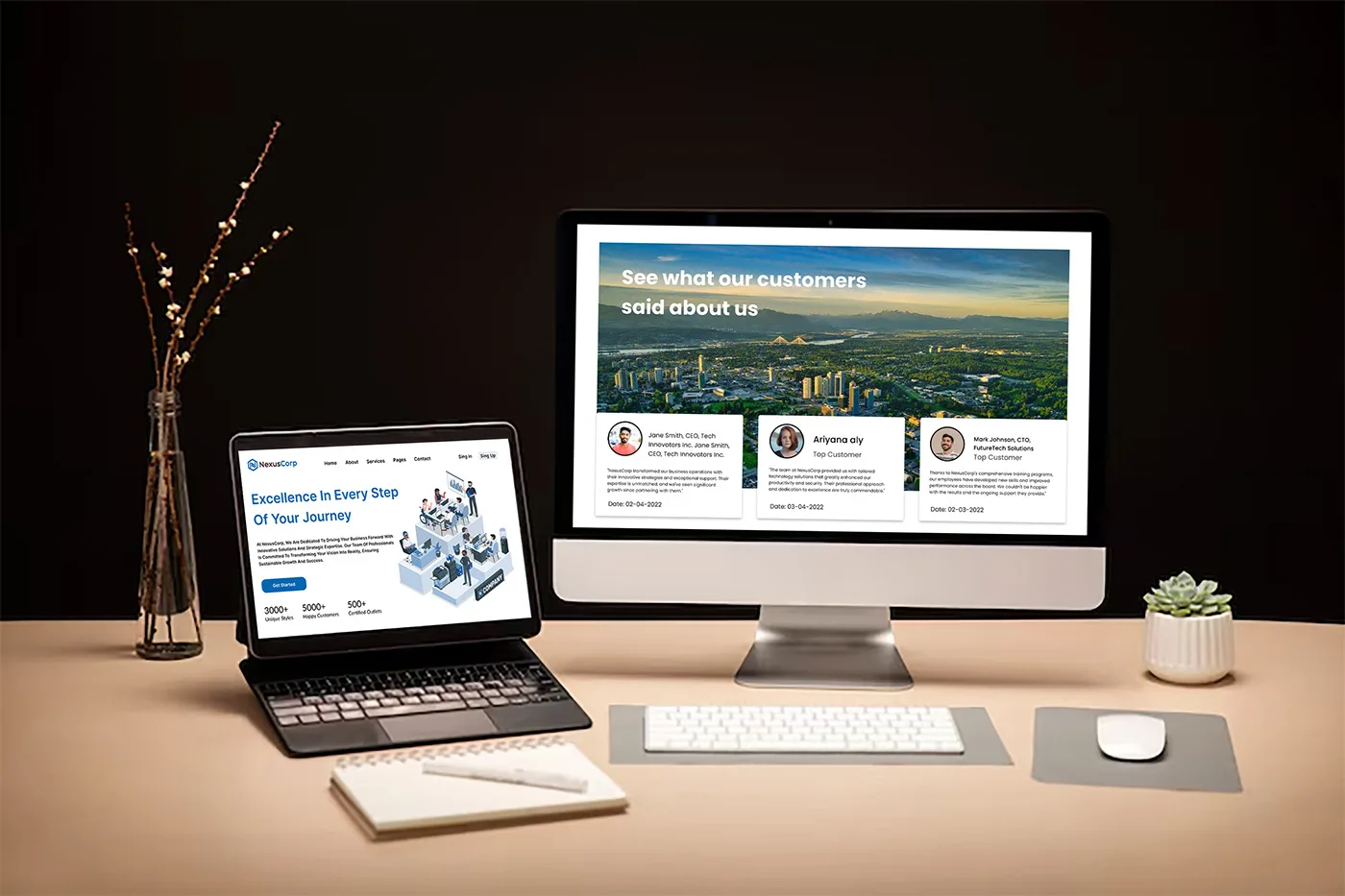
Modern design elements such as secure connections, professional layouts, customer testimonials, and clear business information contribute to credibility.
A trusted online presence encourages visitors to take desired actions and develop confidence in the brand.
Trust-building is particularly important in highly competitive industries.
Increasing Conversion Opportunities
The ultimate goal of most business websites is to generate leads, enquiries, or sales.
Modern website design focuses on guiding visitors toward specific actions through strategic layouts and user journeys.
Effective calls-to-action, optimised landing pages, and streamlined contact processes help improve conversion rates.
Design decisions should support business objectives while creating positive experiences for users.
Higher conversion rates contribute directly to business growth and profitability.
Supporting Search Engine Visibility
Website design and search engine optimisation often work together.
Search engines increasingly prioritise websites that provide excellent user experiences, fast loading speeds, and mobile-friendly functionality.
Many businesses work with specialists such as Zenerom Digital Marketing Agency Dubai to align website design with broader digital marketing strategies.
An optimised website creates a strong foundation for improving visibility and attracting organic traffic.
Integrated design and SEO efforts often produce stronger long-term results.
Creating Competitive Differentiation
Competition in Dubai continues to intensify across nearly every industry.
Businesses need effective ways to distinguish themselves from competitors.
A modern website can serve as a powerful differentiator by providing unique user experiences and showcasing organisational strengths.
Professional design helps businesses communicate value propositions more effectively while enhancing customer perception.
Differentiation contributes to stronger market positioning and improved brand recognition.
Integrating Modern Technologies
Technology continues to shape how businesses interact with customers online.
Modern websites often incorporate advanced features such as live chat, appointment booking systems, AI-powered tools, interactive content, and personalised experiences.
These technologies improve convenience while enhancing customer engagement.
Businesses that embrace innovation often gain advantages in customer acquisition and retention.
Technology integration supports long-term digital competitiveness.
Supporting Long-Term Business Growth
A website is more than a marketing asset—it is a strategic business tool.
Modern website design helps businesses attract visitors, engage audiences, generate leads, and support customer relationships.
As digital competition continues increasing, organisations that invest in professional web design create stronger foundations for sustainable growth.
A future-ready website supports changing customer expectations while adapting to evolving market trends.
Long-term success often begins with a strong digital presence.
Measuring Website Success
Modern websites provide valuable insights into visitor behaviour and performance.
Analytics tools help businesses understand how users interact with content, navigate pages, and complete actions.
These data support informed choice without continuous improvement.
Regular analysis allows businesses to optimise user experiences and maximise return on investment.
Data-driven improvements contribute to ongoing growth and stronger performance.
Conclusion
Modern website design has become a critical factor in helping businesses succeed within Dubai's highly competitive market. From improving user experience and strengthening brand identity to increasing conversions and supporting search visibility, a professionally designed website delivers significant long-term value.
As customer expectations continue evolving, businesses must invest in digital experiences that are visually appealing, functional, and optimised for performance. Partnering with an experienced Web design company in Dubai can help organisations create impactful websites that enhance credibility, attract customers, and support sustainable business growth in the UAE's dynamic digital landscape.