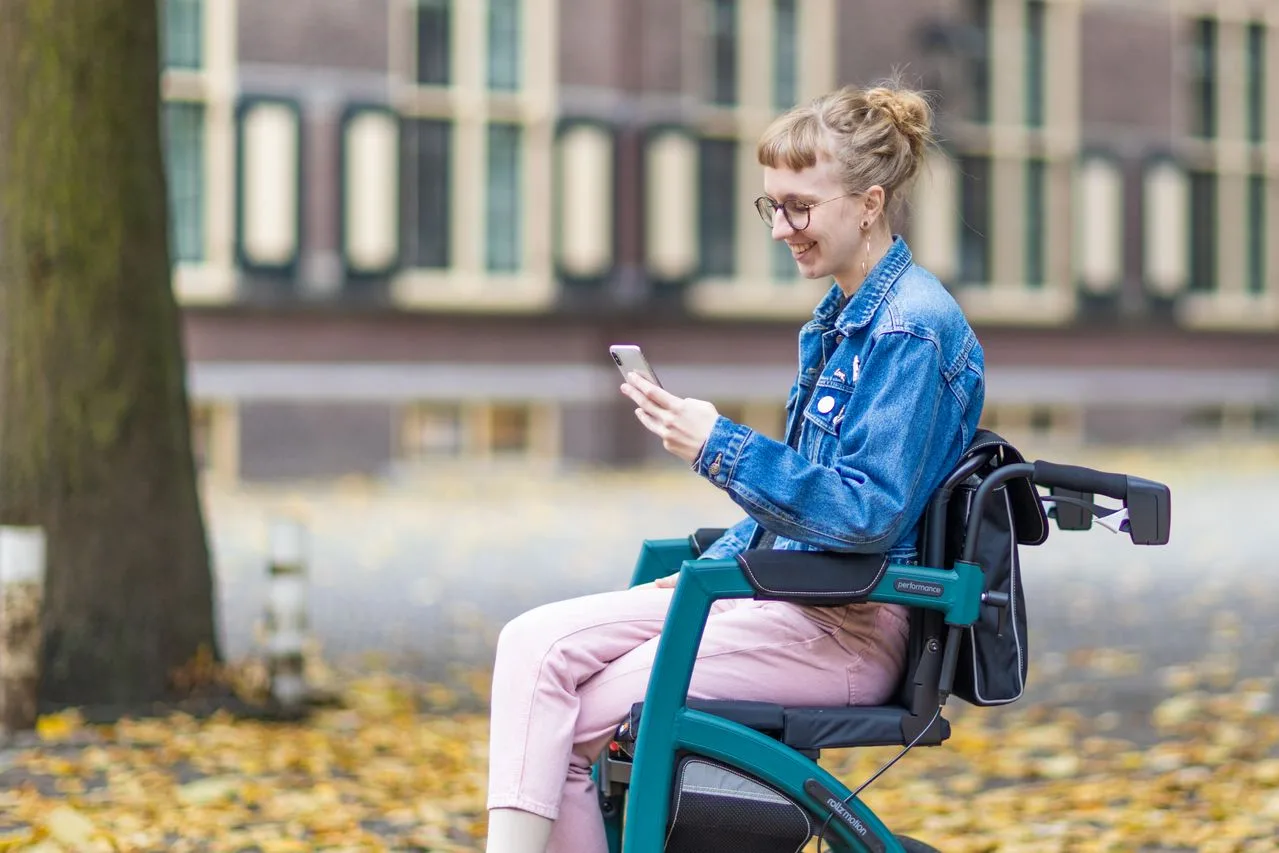
Transportation needs have evolved significantly over the past decade. You may notice that getting from one place to another is no longer limited to owning a personal vehicle or relying on traditional public transit alone. Modern mobility solutions have introduced new ways for you to think about commuting, running errands, and traveling within your community. These options have reshaped how people approach their daily routines and long-term transportation decisions. Understanding how these solutions integrate into your everyday life can help you make informed choices about your personal mobility needs.
Understanding the Range of Transportation Options Available to You
The modern mobility landscape offers you a diverse array of transportation choices that did not exist a decade ago. You can access ride-sharing services, bike-sharing programs, electric scooters, public transportation apps, and vehicle-sharing platforms all within the same ecosystem. Each option serves different purposes depending on your schedule, budget, and destination. For example, you might use a bike-sharing service for a short trip across town, a ride-sharing platform for travel during bad weather, and public transit for your daily commute. These interconnected systems allow you to select the most efficient and cost-effective method for each individual journey rather than defaulting to a single transportation mode. The availability of multiple options means you have greater control over how you allocate your transportation time and resources.
How Flexibility Enhances Your Daily Routine
Flexibility in transportation directly impacts how you structure your day and manage your responsibilities. When you have access to various mobility solutions, you can adjust your travel plans based on real-time circumstances rather than adhering to fixed schedules or routes. You might decide to take public transit when traffic is heavy, switch to a bike-sharing option when weather permits, or use a ride-sharing service when you need door-to-door convenience. This adaptability reduces the stress associated with commuting and gives you more control over your time. You no longer need to own multiple vehicles or maintain complex transportation arrangements to meet your varying needs. The flexibility that modern mobility provides allows you to respond to unexpected changes in your plans without significant disruption to your day.
The Integration of Technology into Your Transportation Experience
Technology serves as the backbone of modern mobility solutions and directly affects how you interact with transportation services. Mobile applications connect you to available transportation options, provide real-time tracking, and handle payment processing seamlessly. You can check schedules, book rides, unlock vehicles, and track your journey all from your smartphone. Navigation features help you find the most efficient routes, while user ratings and reviews help you make informed decisions about which services to use. The integration of GPS technology, data analytics, and digital payment systems has made it easier for you to access transportation options on demand. This technological infrastructure also enables mobility providers to optimize their services, which ultimately benefits you through improved reliability and better service quality.
Environmental and Economic Benefits of Diversified Mobility
Adopting modern mobility solutions can contribute to both environmental sustainability and economic efficiency in your life. When you share rides or use public transportation, you reduce your personal carbon footprint compared to driving a single-occupant vehicle. Many modern mobility options, such as electric bikes and scooters, produce minimal emissions or rely on renewable energy sources. If you are considering a personal electric scooter for regular travel, resources that address what electric scooter to buy for commuting provide detailed model comparisons and feature breakdowns to inform that decision. From an economic perspective, you can reduce transportation expenses by choosing shared or rental options instead of purchasing and maintaining a personal vehicle. The shift toward diversified transportation methods also encourages cities to invest in infrastructure that benefits entire communities rather than serving individual car owners exclusively.
Making Informed Choices About Your Personal Mobility Needs
You benefit from evaluating your specific transportation requirements before committing to any single solution. Consider factors such as the distance of your regular trips, your budget constraints, the time you have available, and the reliability you need from your transportation method. You might discover that a combination of services works better for you than relying on a single option. For instance, you could use public transit for your daily commute, a bike-sharing service for midday errands, and a ride-sharing platform for evening or weekend activities. Assessing your actual transportation patterns helps you identify which modern mobility solutions align with your lifestyle and values. Americans take millions of trips each day, and the modes people choose are increasingly shaped by access to new technologies and shared services.
Conclusion
Modern mobility solutions have created a transportation landscape that is far more flexible and responsive to individual needs than previous systems. You now have the opportunity to select from multiple options that can be combined to create a personalized transportation strategy. The integration of technology, increased environmental awareness, and economic considerations have all contributed to the growth of these alternative solutions. You can evaluate your specific circumstances and determine which combination of mobility options best supports your daily activities and long-term goals. As transportation continues to evolve, understanding how these modern solutions fit into your life allows you to make choices that align with both your practical requirements and your values.