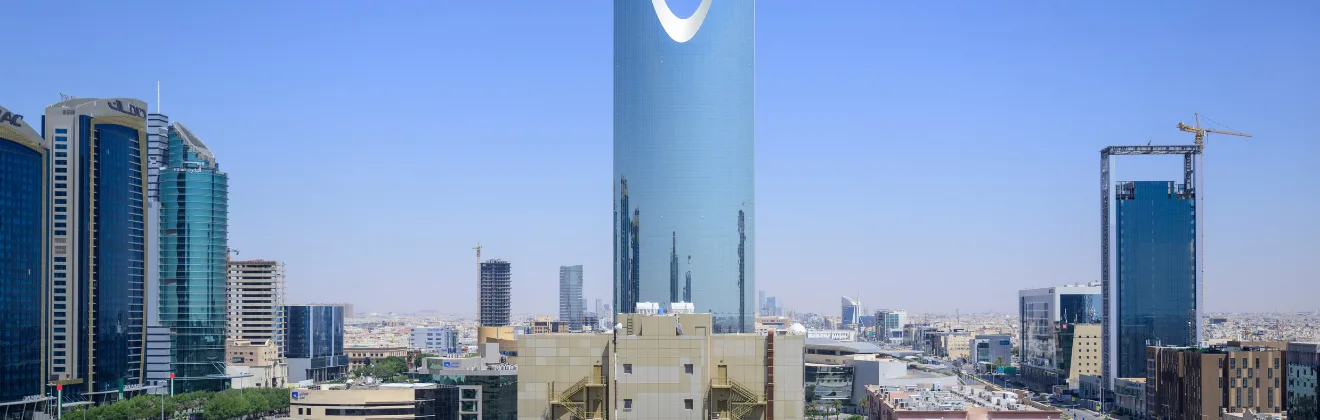
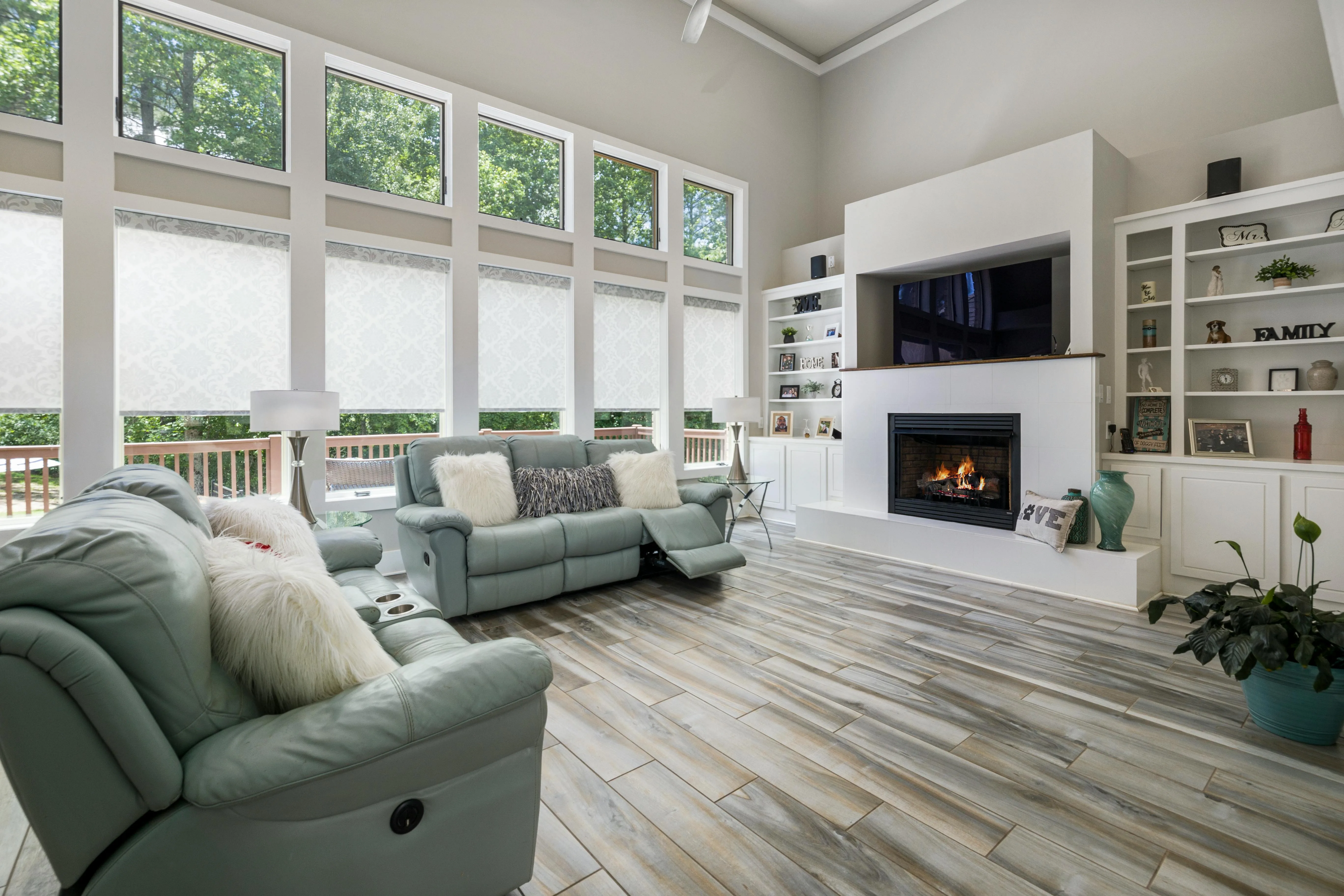
Modern spaces are not only about aesthetics - they are carefully engineered environments designed to improve comfort, efficiency, and well-being. From homes and offices to shopping places and healthcare facilities, engineering innovations have quietly shaped how we experience indoor spaces daily.
The Shift from Basic Structures to Intelligent Environments
Modern spaces are equipped with more than just structure in mind. Engineers now add smart systems that respond to human needs, environmental conditions, and energy efficiency goals. Lighting adjusts automatically, temperatures remain constant, and air quality is continuously monitored.
This transformation has turned ordinary buildings into smart ecosystems where comfort and functionality coexist seamlessly.
Air Quality: The Invisible Game-Changer
One of the most significant yet often overlooked aspects of modern engineering is indoor air quality. Clean, well-circulated air has a direct impact on health, focus, and overall comfort.
Behind the scenes, advanced ventilation and air management systems work constantly to remove pollutants, regulate humidity, and maintain fresh airflow. Components like the AHU Unit play a crucial role in ensuring that indoor environments remain breathable and balanced, especially in large commercial or high-occupancy spaces.
Energy Efficiency Meets Smart Design
Sustainability is now a central focus in engineering. Modern systems are designed to consume less energy while offering better performance. Smart sensors, automation, and optimized mechanical systems reduce wastage and improve efficiency.
For example, climate control systems are no longer static. They adapt based on occupancy and external weather conditions. Integrated solutions, including technologies like the AHU Unit, contribute to minimizing energy loads by efficiently managing airflow and temperature distribution in several zones.
Enhancing Comfort Through Precision Engineering
Comfort is no longer accidental - it’s engineered. Every detail, from airflow patterns to temperature gradients, is calculated to have a pleasant indoor experience.
Modern engineering ensures that there are no uneven temperatures, stuffy corners, or poorly ventilated areas. Whether it’s a corporate office or a retail space, these systems work silently to maintain consistency, allowing occupants to focus, relax, or work with no distraction.
The Role of Automation in Everyday Spaces
Automation has become a defining feature of modern buildings. Centralized systems allow facility managers to monitor and control multiple functions - from air circulation to lighting through a single interface.
This not only enhances operational efficiency but also allows predictive maintenance. Systems can detect problems early and adjust performance in real-time, ensuring constant comfort and reduced downtime.
Designing for the Future
As urban spaces continuously evolve, engineering will play an even greater role in shaping how we interact with our surroundings. The focus is shifting toward creating environments that are not just functional, but also adaptive, sustainable, and human-centric.
Modern engineering doesn’t just build spaces - it improves the way we live within them. By combining innovation with thoughtful design, it converts daily environments into experiences that prioritize comfort, health, and efficiency.