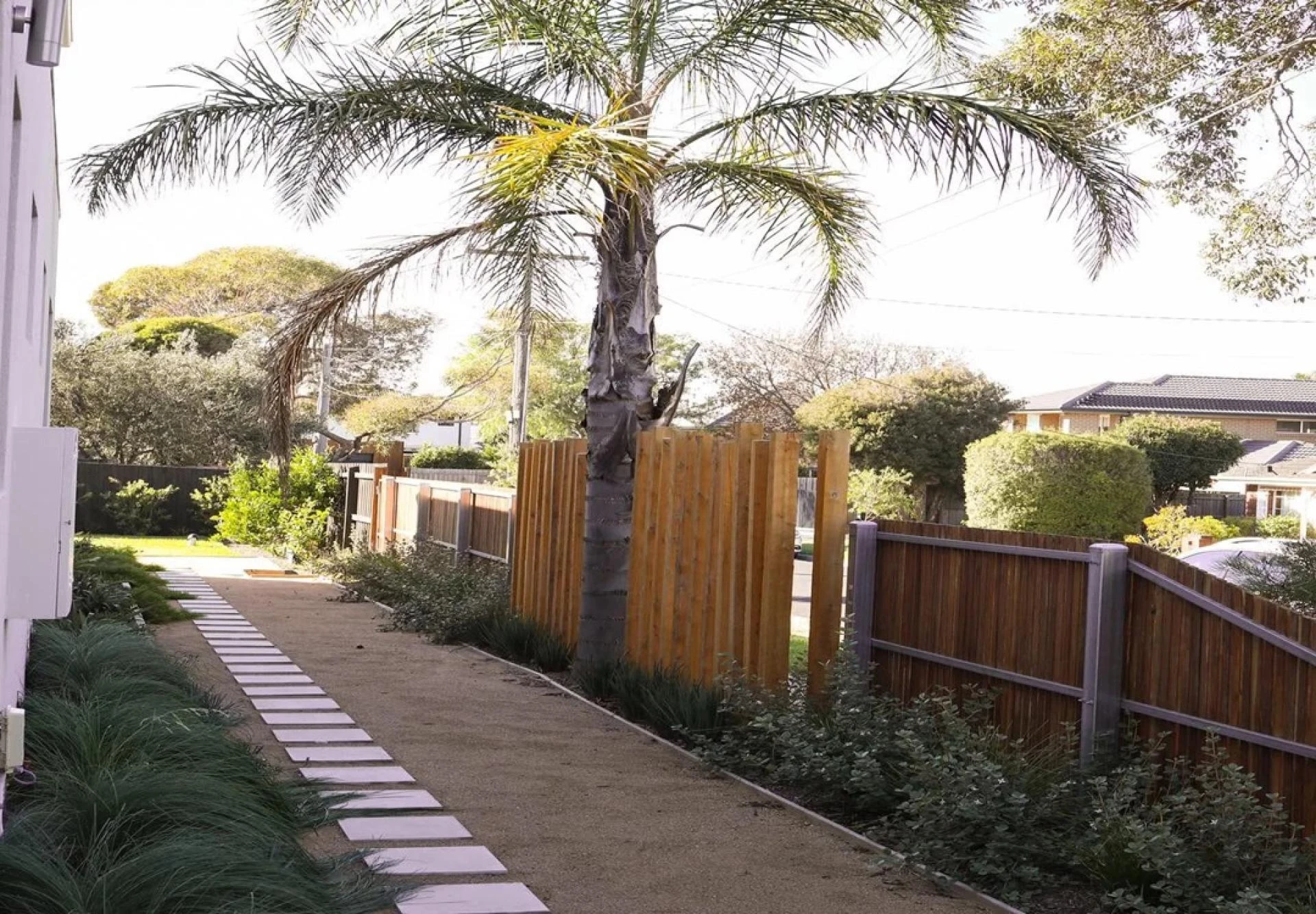
Melbourne’s unique coastal climate presents both challenges and opportunities for homeowners looking to design beautiful gardens. The combination of salty sea breezes, sandy soils, and occasional strong winds means that careful planning is essential. Yet, with the right approach, it’s entirely possible to create a stunning coastal garden that thrives year-round while enhancing your property’s aesthetic appeal.
1. Choose Salt-Tolerant and Hardy Plants
The first step in designing a coastal garden is selecting plants that can withstand the harsher conditions near the sea. Native Australian coastal plants are ideal because they have evolved to thrive in sandy soils and resist salt-laden winds. Examples include Banksia, Coastal Tea Tree, Kangaroo Paw, and Lomandra. These plants not only survive well but also provide a natural, low-maintenance look. Incorporating hardy succulents like Dudleya or Crassula can add texture and visual interest while being exceptionally drought-tolerant.
2. Consider Windbreaks and Shelter
Coastal winds can damage delicate plants and erode soil, so creating natural or constructed windbreaks is essential. Dense shrubs or hedges can act as living barriers, while timber fences or lattice panels can provide structural protection. Positioning taller plants or trees strategically around patios, pathways, or seating areas can create sheltered zones for more sensitive plants, giving your garden a layered and inviting feel.
3. Focus on Soil Health and Drainage
Sandy coastal soils often struggle to retain moisture and nutrients. Improving soil health is key to establishing a flourishing garden. Incorporate organic compost, mulch, and well-draining soil mixes to retain moisture while preventing waterlogging. Raised garden beds can also be effective, especially for flowering plants or vegetables that need slightly richer soil. Mulching not only conserves water but also helps protect plant roots from harsh sun and salty winds.
4. Embrace Coastal Design Elements
A coastal garden is more than just plants—it’s a chance to reflect the relaxed, breezy atmosphere of the seaside. Consider adding natural materials like timber, stone, and pebbles to pathways, patios, or garden borders. Outdoor furniture in weather-resistant materials, such as teak or powder-coated metals, complements the garden while withstanding coastal conditions. Water features, like small ponds or fountains, can introduce a tranquil, natural soundscape reminiscent of the ocean.
5. Incorporate Colour and Seasonal Interest
Even hardy coastal gardens can be vibrant and dynamic. Use flowering natives like Correa, Grevillea, and Hardenbergia to add pops of colour throughout the year. Grasses such as Lomandra or Poa create movement as the wind passes through, enhancing the natural coastal aesthetic. By carefully selecting plants with varying textures, heights, and bloom times, homeowners can ensure their garden remains visually appealing across all seasons.
Creating a coastal garden in Melbourne doesn’t have to be daunting. With the right plants, clever design, and attention to soil and shelter, homeowners can craft a space that is not only resilient but also visually stunning. By embracing the beauty of native flora and the natural coastal environment, your garden can become a serene retreat—a true extension of the seaside lifestyle.