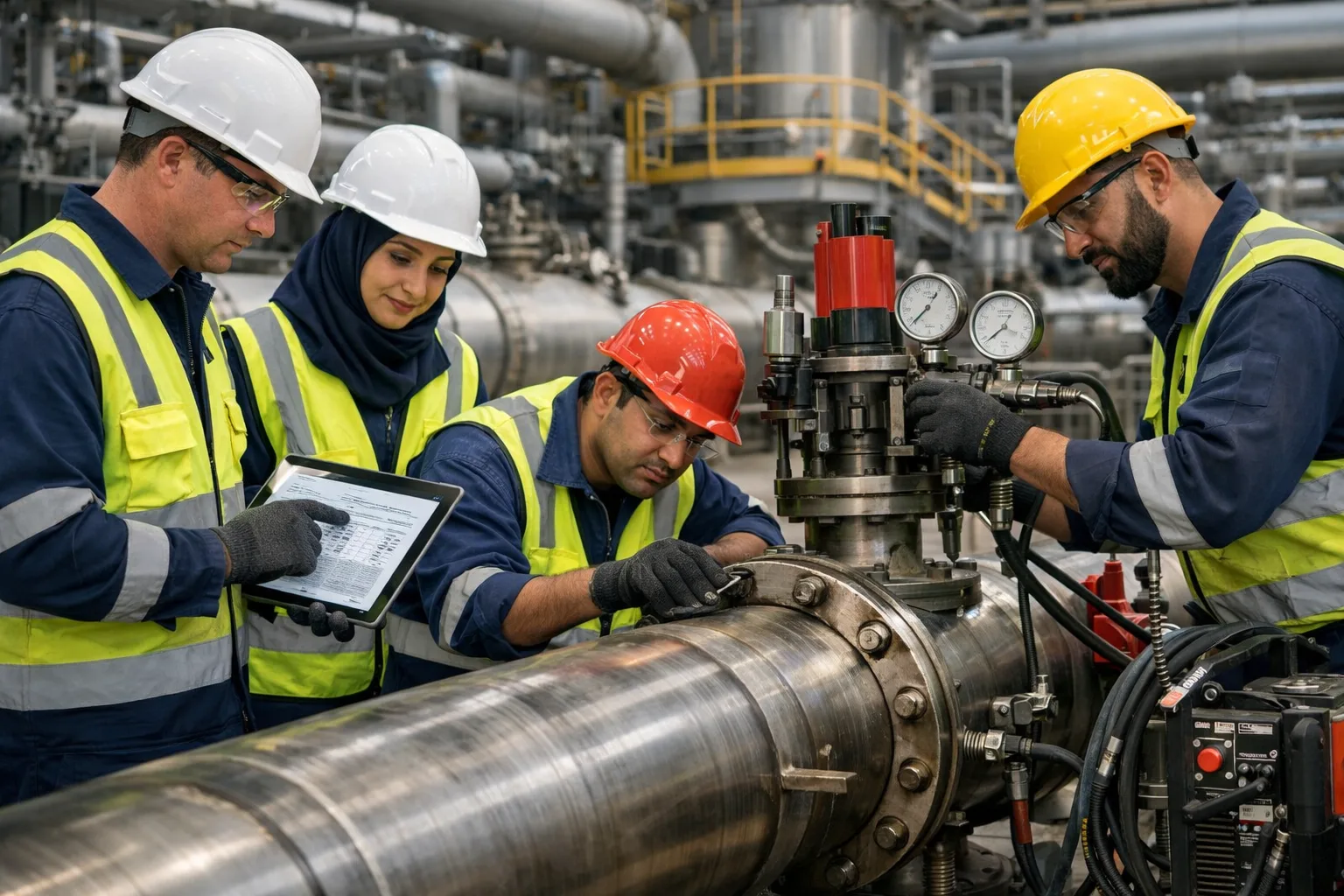
Industrial pipeline work often needs careful planning, especially when a new branch connection must be added without stopping the existing line. Hot tapping services in Rak involve several steps before any work begins. Engineers and site teams first study the pipeline, check operating conditions, review the pipe material, and decide how the connection can be made safely. Good planning helps reduce risks and supports smooth work on pipelines that may carry water, oil, gas, or other fluids.
Understanding the Existing Pipeline
The first step is to understand the pipeline where the hot tap will take place. Engineers collect information about the pipe size, wall thickness, material, age, and current condition. They also check the type of fluid inside the line and the pressure and temperature during normal operation.
This information is important because the hot tapping method must match the actual pipeline conditions. A pipe that has corrosion, heavy wear, or damaged areas may need further inspection before work is planned.
Existing drawings and pipeline records are also reviewed. If these records are not complete, the team may need to carry out additional checks at the work location. A clear understanding of the pipeline gives the team a better basis for planning the connection.
Checking the Pipeline Condition
Before selecting the hot tapping location, the physical condition of the pipe needs to be checked. The area should have enough sound material to support the branch connection and the fitting used for the work.
Inspection methods may include visual checks, ultrasonic thickness measurements, or other suitable testing methods. These checks can help identify thinning, corrosion, cracks, or other problems that may affect the work.
The inspection results are then reviewed by qualified personnel. If the pipe does not meet the required condition, the hot tap location may need to be changed or additional repair work may be considered.
Selecting the Hot Tap Location
Choosing the right location is another important part of planning. The location should provide enough space for workers and equipment while allowing the new branch connection to be installed correctly.
The team also considers nearby valves, bends, welds, supports, and other fittings. These parts can affect how the work is carried out and may influence the position of the new connection.
Access is also important. Workers need a safe area to install the fitting, operate the hot tapping machine, and complete inspections. A location that is difficult to reach may require additional preparation before the job starts.
Reviewing Operating Conditions
Pipeline operating conditions play a major role in hot tapping planning. The team needs to know the normal and maximum pressure and temperature of the line. The fluid inside the pipe must also be identified.
This information helps determine the suitable equipment, fittings, valves, and cutting tools for the work. It also helps the team understand the possible hazards connected with the pipeline contents.
Changes in operating conditions may affect the work plan. For this reason, communication between the pipeline operator and the work team is important before and during the operation.
Choosing the Right Equipment
Once the pipeline information is collected, the required equipment can be selected. A typical hot tapping setup may include a branch fitting, isolation valve, hot tapping machine, cutting tool, and supporting equipment.
The equipment must be suitable for the pipe size and the operating conditions. The fitting must also be properly matched to the pipeline and designed to create a secure connection.
Equipment checks should be completed before the work begins. This includes checking the hot tapping machine, valve, cutting tools, seals, and other parts. Proper preparation can help avoid delays during the operation.
Preparing a Safety and Risk Plan
Safety planning is a key part of industrial pipeline work. The team reviews possible hazards and prepares suitable control measures before starting.
The risk assessment may consider pressure release, fluid leakage, fire hazards, high temperatures, restricted access, and equipment failure. The type of fluid inside the pipeline is especially important when deciding what safety measures are needed.
Workers should understand their roles and know what to do if an unexpected problem occurs. Emergency procedures, communication methods, and access routes should be reviewed before the job begins.
Planning the Installation Process
After the preparation is complete, the team creates a clear work sequence. This usually includes preparing the work area, installing the branch fitting, attaching the valve, checking the connection, and setting up the hot tapping machine.
The team then follows the planned procedure to make the opening in the live pipeline. The cutting process must be carefully controlled to maintain the integrity of the pipe and connection.
The work sequence may vary depending on the pipeline design and service conditions. Each stage should be reviewed before moving to the next step.
Testing and Final Inspection
Testing is an important part of the planning process. Before the hot tap begins, the installed fitting and valve may be checked for proper installation and leaks.
After the connection is completed, the work area and new branch should be inspected. Any required pressure testing or other checks should be carried out according to the approved work procedure.
Records of inspections and testing can also be kept for future maintenance and pipeline management. Clear documentation helps provide a useful history of the work completed on the pipeline.
Coordinating the Work With Operations
Hot tapping is often carried out while the pipeline remains in service, so coordination with the operations team is essential. The work schedule should consider production activities, access requirements, and any operating restrictions.
The pipeline operator should know when the work will begin and which conditions must remain stable during the operation. If there is a change in pressure, temperature, or flow, the work may need to be paused or reviewed.
Good coordination helps the work team respond quickly to changing conditions and keeps the operation organized from preparation through final inspection.
Careful planning is what makes industrial hot tapping work controlled and organized. By checking the pipeline condition, selecting a suitable location, reviewing operating conditions, preparing safety measures, and testing the completed connection, teams can reduce unnecessary risks and improve the quality of the work. These planning steps are also important when arranging Hot tapping services in Rak for industrial pipeline projects.