Industrial plants run on precision. Every pipeline, every pump, every sensor, and every piece of equipment must work in sync. Industrial valves sit at the heart of this system. They manage flow, pressure, temperature, and direction. They protect equipment and keep operators safe. Without them, modern process plants cannot run.
That’s why industries trust a reliable valve manufacturer to deliver the right valves for the job. Companies like Cair Euromatic Automation design valves that survive tough environments and help plants maintain efficiency day after day. But to understand their importance, we need to look at how these valves keep complex systems stable and safe.
Valves Control Flow With Precision
Flow control defines process stability. Whether you manage water, chemicals, steam, gas, oil, or slurry, the valve must respond quickly and accurately. A high-quality valve:
- Regulates flow
- Maintains desired pressure
- Balances line performance
- Prevents overload
In industries like food processing, petrochemicals, and pharmaceuticals, a small mistake in flow control can ruin a batch or create major hazards. Valves ensure that doesn’t happen.
Valves Ensure System Safety by Preventing Overpressure
Safety is always the top priority. Pressure spikes can damage equipment or cause accidents. Industrial valves act as the first line of defense. They release excess pressure or isolate the line instantly.
Safety-related valve functions include:
- Pressure relief
- Emergency shutdown
- Fail-safe operation
- Isolation of faulty sections
Automation amplifies this safety, especially in high-risk zones like chemical reactors, refineries, or power plants.
Valves Reduce Energy Loss and Improve Efficiency
Energy efficiency is a big challenge in complex systems. Leaks, friction losses, and wrong valve sizing increase operating costs. A good valve manufacturer focuses on:
- Low-torque designs
- Tight sealing surfaces
- Correct flow coefficients
- Smart automation compatibility
When valves close tightly and operate smoothly, the system uses less energy. Pumps work easier. Compressors perform better. Overall energy consumption drops.
Automation Makes Valves Smarter and More Reliable
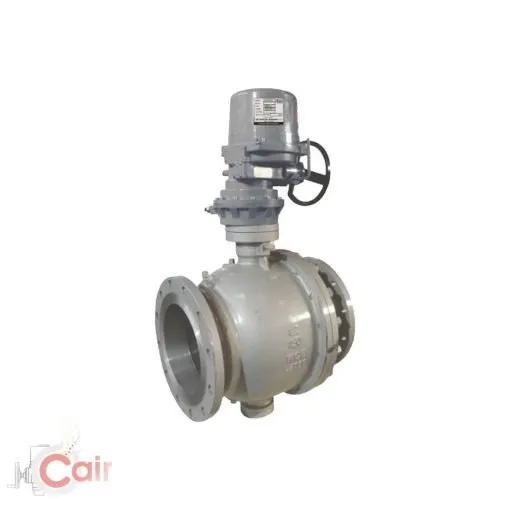
Modern plants depend on automated valves. They connect to PLCs, SCADA systems, and smart controllers. Automation ensures:
- Fast response time
- Accurate position control
- Remote operation
- Zero human error
- Better monitoring
Automated valves help operators take decisions quickly. They also support predictive maintenance because sensors provide real-time health data. This reduces downtime and improves productivity.
Valves Maintain Product Quality in Sensitive Industries
Some plants handle materials that require perfect consistency. Pharmaceuticals, food, dairy, cosmetics, and specialty chemicals need stable flow and clean systems. Valves maintain:
- Hygiene
- No contamination
- Uniform flow rate
- Precise temperature control
- Smooth transitions between batches
A small change in valve performance can affect the final product. That’s why choosing the right valve design becomes critical.
Valves Allow Safe Isolation for Maintenance
Plants must shut down sections regularly for cleaning, maintenance, or inspection. Isolation valves make this possible without stopping the entire plant.
A good isolation valve offers:
- Zero leakage
- Quick operation
- Full shutoff
- Long cycle life
This keeps maintenance safe and efficient, especially in chemical and thermal processing plants.
Strong Materials Support Harsh Operating Conditions
Industrial valves face extreme conditions:
- High temperatures
- Corrosive liquids
- Abrasive slurries
- High-pressure lines
- Vibration and fatigue
A trusted valve manufacturer uses the right materials—like stainless steel, alloy steels, cast iron, bronze, or engineered plastics—to match the application. This increases service life and reduces failures.
Final Thoughts
Industrial valves do far more than open and close pipelines. They protect equipment, control flow, improve safety, maintain product quality, and reduce energy loss. In modern plants, where systems are more complex than ever, these valves become essential for stable operations.
Working with the right valve manufacturer ensures you get valves that survive tough conditions, deliver accurate performance, and integrate smoothly with automation systems. When the valves are reliable, the entire plant becomes safer, faster, and more efficient.